Searching for the best chimney care in Colorado can feel overwhelming when you need trustworthy help before cold weather arrives. If you are looking for a dependable local expert, start by focusing on safety, credentials, and proven results rather than quick promises. The right professional will make your home cleaner, safer, and more efficient throughout our long heating season. If you are unsure where to begin, this guide distills the most important steps to take, what to ask, and how to evaluate a local chimney sweep so you can hire with confidence.
Colorado’s climate puts fireplaces, stoves, and flues to the test. Freezing nights, fast-changing weather, and high-altitude combustion all influence creosote formation, draft behavior, and masonry wear. An experienced sweep understands how these local factors affect your system and tailors cleaning and inspection to match. Beyond cleanliness, the real objective is safety: minimizing fire risk, improving ventilation, and protecting the building envelope from moisture infiltration.
This local hiring guide shares practical methods to find, vet, and select a top professional near you. From certifications to communication style, the details below will help you make a decision rooted in quality and long-term reliability.
Why local expertise matters in Colorado
Colorado homes vary widely—mountain cabins, urban bungalows, newer builds with factory-built systems, and historic masonry chimneys with character and quirks. Local experience equips a sweep to recognize patterns common to certain neighborhoods, elevations, and building eras. For example, some mountain areas regularly see down-drafting and wind-related smoke rollout; some urban homes have liners that were retrofitted decades ago and need closer inspection at joints and transitions; and newer gas appliances vented into existing chimneys require special attention to condensation and corrosion.
Local pros also understand seasonal timing: when ash and soot are most likely to accumulate, how freeze-thaw cycles can worsen minor masonry cracks, and why snowmelt can reveal leaky crowns or flashing. This insight helps them spot subtle concerns before they become serious problems.
Credentials and qualifications to require
Start by verifying nationally recognized credentials. Certifications demonstrate a commitment to standardized methods, continuing education, and code awareness. While a certificate alone does not guarantee excellence, it signals a baseline of training and ethics. Combine certification checks with proof of insurance and a clear safety program.
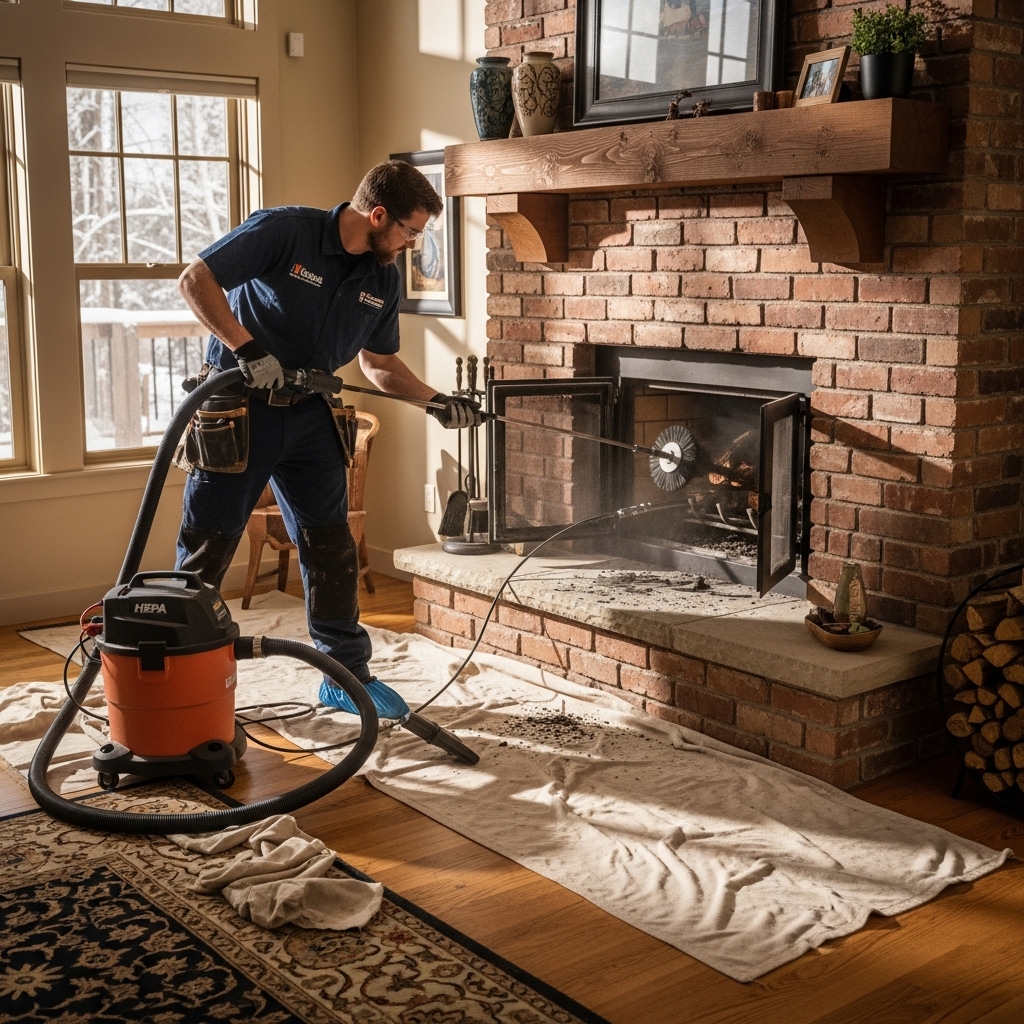
Ask about the tools and methods used. Quality chimney professionals document their work with photos before, during, and after service. They use appropriate brushes for your liner type, HEPA vacuums to protect indoor air, and inspection equipment suited to your flue and appliance. If repairs are recommended, you should receive a clear explanation with images, references to relevant codes or manufacturer instructions, and a prioritized plan.
How to search for the best chimney professional near you
Use a layered approach rather than relying on a single search result. Begin with recommendations from neighbors, property managers, or real estate professionals who regularly see chimneys during transactions. Then compare several local providers side by side. Read recent testimonials that describe situations similar to yours—wood stove users, open-hearth fireplaces, pellet appliances, or gas inserts. Reviews that mention problem-solving, punctuality, site protection, and thoroughness are especially helpful.
When you call or message, take note of responsiveness and clarity. Do they ask about your appliance type, fuel, last cleaning date, visible symptoms (smoke stains, odors, bird activity), and any changes to your heating patterns? Thoughtful questions indicate a process-based approach and respect for your time.
Red flags to avoid
- Vague or rushed explanations about the scope of work.
- Reluctance to provide documentation or photos of findings.
- Pressure to authorize major work without a clear reason or inspection details.
- Inconsistent information about liner types, code requirements, or safety steps.
- Lack of protective measures for your home (drop cloths, shoe covers, HEPA filtration).
Questions to ask before booking
- What specific inspection level will you perform, and what does it include?
- How do you protect the home’s interior during cleaning?
- What photo or video documentation will I receive afterward?
- Are you trained to work on my specific appliance and liner type?
- If you find issues, how will you prioritize what needs attention first?
- Do you handle caps, crowns, flashing, and masonry repairs, or partner with specialists?
- What safety checks do you complete after service to verify proper draft and ventilation?
Understanding chimney inspection levels
A thorough provider explains the difference between basic maintenance inspections and more detailed assessments suitable for property sales, system changes, or after an incident such as a chimney fire. While you may not need the most extensive option every year, knowing what each level covers helps you match the service to your situation. Transparency here is a strong sign of professionalism.
In many Colorado homes, a routine inspection paired with cleaning brings hidden issues to light: shifting in a masonry stack, deteriorated mortar joints, disconnected caps, or creosote patterns that suggest combustion or draft problems. When findings are documented clearly, you can make informed decisions about next steps.
Home preparation tips before the appointment
- Do not use the fireplace or stove for at least 24 hours before the visit to ensure cool surfaces.
- Clear a path from entry to the hearth or appliance.
- Move delicate items and cover nearby furnishings if advised.
- Secure pets and share any home access instructions.
- Have past reports handy; history helps identify trends.
What an excellent visit looks like
On the day of service, expect a courteous arrival, walk-through, and confirmation of goals. The technician should explain how they will protect the area, what they plan to inspect, and where they will capture photos. During cleaning, they use tools matched to your flue material and appliance, keeping dust under control. If something unexpected appears, they pause, document, and discuss options before proceeding.
Afterward, you receive a clear summary with images, plain-language explanations, and recommendations ordered by urgency. High-quality providers aim to be your long-term partner, so they help you understand how to operate your system efficiently and safely.
If you plan to compare a few local providers, you can ask each for a written description of their process. The one that offers the most clarity about inspection methodology, safety precautions, and documentation typically delivers the most dependable experience in the long run. In the midst of your research, consider whether a seasoned, respectful, and responsive team aligns with your expectations for a professional chimney sweep.
Seasonal considerations in Colorado
Colorado’s shoulder seasons often sneak up on homeowners. Late autumn can turn cold quickly, and early spring can still bring snow. Many residents rely on fireplaces or stoves not only for ambiance but also for supplemental heat. Scheduling service before peak demand ensures flexibility and thorough attention. If an issue arises that requires additional work, you will have time to address it without urgency.
During dry spells, wind can carry embers upward; a correctly fitted cap and intact spark arrestor are essential. After heavy snow, ice and meltwater can exploit small crown or flashing flaws, moving water into the chimney system and surrounding structure. Regular inspections catch these opportunities for moisture control, preserving both performance and the home’s integrity.
Maintenance rhythm and owner responsibilities
While professional care is vital, homeowners contribute by burning properly seasoned wood, keeping the firebox tidy, and watching for signs like smokiness, unusual odors, or flakes of creosote in the firebox. If you use a gas appliance, be alert to condensation, corrosion, or changes in flame characteristics. A quick log of usage patterns and observations can be invaluable during your appointment.
Remember that even systems used infrequently warrant periodic inspection. Animals can nest, storms can dislodge components, and time can weaken mortar or metal. Preventive attention keeps small issues from becoming significant repairs.
Building a long-term relationship with a trusted pro
The best outcomes happen when you work with the same team over several seasons. Consistency means they know your system’s history, can recognize subtle changes, and can help you plan maintenance rather than react to surprises. When communication is open and documentation is thorough, you gain peace of mind each time you light a fire.
FAQs
How often should a chimney be inspected in Colorado?
Inspection frequency depends on usage and fuel type, but annual evaluations are a widely recommended baseline. Local conditions, such as wind exposure or dramatic temperature swings, may justify more frequent checks for certain homes.
What are signs I need service soon?
Persistent smoke spillage, strong odors, visible soot or creosote flakes, stained walls near the fireplace, or evidence of animals or debris all merit prompt attention.
Can I clean my own chimney?
Homeowners can perform light maintenance and observation, but professional cleaning and inspection provide specialized tools, training, and documentation that are difficult to replicate safely and completely.
Do gas fireplaces need attention too?
Yes. Gas appliances produce byproducts and moisture that can affect liners and venting components. Professional inspection verifies safe operation, proper draft, and the condition of terminals and caps.
What should I expect as deliverables after the visit?
Clear notes, photos, and recommendations prioritized by urgency, along with guidance on operation and maintenance tailored to your system and fuel.
How far in advance should I schedule?
Before peak heating season is ideal. Early booking gives you more appointment options and time to address any findings.
What if I have a historic or unusual chimney?
An experienced pro will adapt methods and tools to your chimney’s materials and constraints, explaining any limitations and tailored solutions.
Will service be messy?
A conscientious provider uses containment, HEPA filtration, and careful tool selection to control dust and keep your living space clean.
Start the season with confidence
If you are ready for clean, safe, and reliable fireplace or stove performance, choose a local team that communicates clearly, documents thoroughly, and treats your home with care. Book a visit with an experienced chimney sweep services provider so your system is ready whenever Colorado weather turns chilly.