Understanding what influences chimney service decisions in Colorado helps you plan confidently and avoid surprises. Instead of fixating on numbers, focus on the work itself: the inspection depth, the cleanliness measures, the documentation provided, and how well the technician explains findings. That lens leads to safer outcomes and long-term value. If you are researching your options, this guide explains the major variables that shape project scope and appointment length, the questions to ask, and how to evaluate proposals without guesswork. To begin your comparison on the right foot, consider reaching out to a qualified chimney sweep who can explain their process from start to finish.
Colorado’s climate and building stock are unique. From high-altitude combustion characteristics to freeze-thaw cycles that stress masonry, our conditions can affect flue cleanliness, structural integrity, and venting performance. The thoughtful provider accounts for these realities during both evaluation and maintenance. Understanding those realities will help you interpret the scope of work suggested for your home.
Core factors that influence the scope of chimney work
Every home is different, and so is every chimney system. The following variables commonly shape what a technician needs to do during a visit:
- Appliance type and fuel: open-hearth wood fireplaces, wood stoves, pellet appliances, and gas inserts all produce distinct byproducts and demand different tools and methods.
- Liner material and condition: clay tile, stainless steel, and other liners have specific cleaning requirements; cracks, gaps, or corrosion can change the approach.
- Access and height: steep roofs, multi-story stacks, and tight clearances influence safety planning and time on site.
- Usage history: frequent burning, smoky fires, or unseasoned wood can increase deposits and inspection requirements.
- Moisture and weather exposure: crowns, caps, and flashing exposed to wind-driven rain or heavy snow may need closer attention.
- Previous modifications: retrofits, offsets, or transitions from one appliance to another require careful examination to confirm compatibility.
Inspection depth and documentation
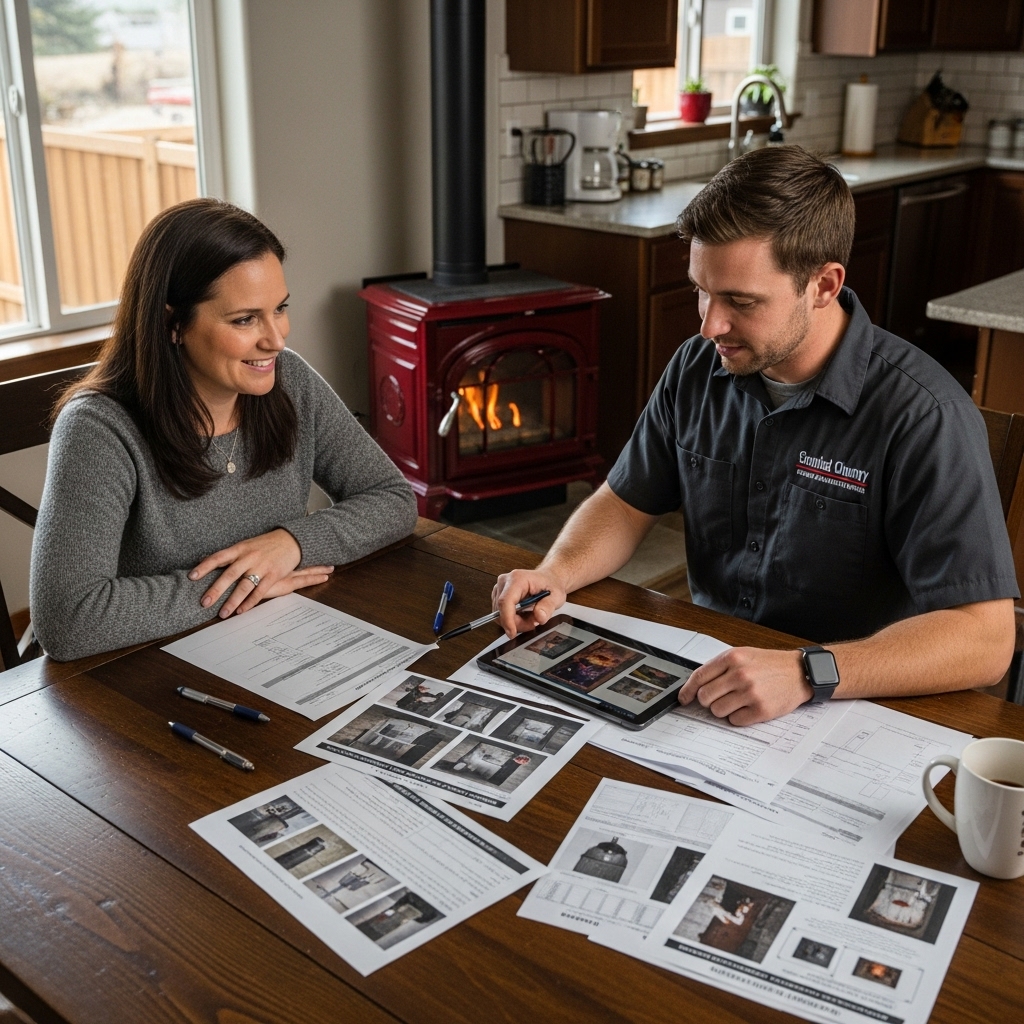
A key difference among providers is how they inspect and document findings. Some situations call for a basic maintenance check, while others warrant a more comprehensive assessment. Ask what the inspection includes, how internal areas will be viewed, and what images or notes you will receive afterward. Documentation helps you make sense of recommendations and plan future maintenance.
Good documentation also serves as a benchmark. When you work with the same team over time, they can compare current photos to previous seasons to spot early signs of change: hairline crown cracks, minor mortar deterioration, or creosote patterns that suggest a draft issue.
Safety and cleanliness measures
Protecting the living space is an essential part of a professional visit. The technician should describe how they keep dust under control, where they place drop cloths, and what filtration they use. Clear safety measures matter, too: roof access planning, fall protection, and care around landscaping and fragile surfaces. These details may not be glamorous, but they demonstrate respect for your home and a serious approach to the work.
Common service scenarios in Colorado
Although each home is unique, certain patterns appear often:
- Seasoned wood users who burn regularly: focus on creosote management, cap condition, and draft verification.
- Occasional fireplace users in urban homes: attention to liners, termination caps, and potential animal activity.
- Mountain cabins: wind-related down-drafting, spark arrestor performance, and snow or ice impacts on crowns and flashing.
- Gas appliances vented into existing flues: corrosion checks, condensation control, and verification of manufacturer clearances.
How to evaluate proposals without confusion
Clarity is your best friend. Ask each provider to write down the steps they will take, the areas they will examine, the tools they will use, and the deliverables you will receive. Instead of trying to decode terminology, look for plain-language descriptions and photos in sample reports. A well-structured proposal tells you what to expect and how the technician will proceed if unexpected conditions appear.
When you compare options side by side, highlight differences in inspection depth, documentation, and safety planning. Those distinctions indicate thoroughness—and thoroughness translates directly to reliable outcomes.
Time on site and scheduling considerations
Appointment length depends on system complexity, access, and findings. If a technician discovers issues that warrant closer examination, time may be added to document and explain options. Scheduling during the shoulder seasons offers flexibility, and it allows you to address any concerns well before peak demand returns.
Homeowner readiness checklist
- Refrain from using the fireplace or stove for at least 24 hours beforehand.
- Clear a path to the hearth or appliance and secure pets.
- Gather any past reports or photos for context.
- List symptoms you have noticed: smoke spillage, odors, staining, or unusual draft behavior.
- Decide how you want findings delivered: digital report, printed summary, or both.
Quality indicators during the visit
Observe how the technician communicates. Do they explain their process before starting? Do they protect your home carefully? Do they pause to show you significant findings and answer questions? Do they provide photos that make it easy to understand what they saw? These behaviors reveal professionalism better than any slogan.
Red flags to watch for
- Pressure to authorize major work without clear visuals or rationale.
- Inconsistent explanations about liners, codes, or appliance requirements.
- Reluctance to provide documentation of findings.
- Vague promises about outcomes without describing the actual steps involved.
Getting the most from your chimney system
Ask for operating tips tailored to your setup. Burn seasoned wood, manage airflow properly, and understand the signs of poor draft. For gas appliances, know what normal flame patterns look like so you can spot changes early. Small behavior adjustments can enhance safety and reduce deposits between visits.
If you are in the research phase, consider having one or two trusted providers explain their process in detail, including how they tailor service to Colorado homes at your elevation and in your microclimate. A transparent conversation about scope, photos, and deliverables provides a more solid basis for decision-making than any assumptions about the work. As you weigh your options, it may help to speak with a local team that offers a comprehensive approach to a professional chimney sweep visit.
Frequently asked questions
How often should a chimney be evaluated?
Annual evaluations are widely recommended for most homes, with more frequent checks if you burn often or have noted performance changes.
Do gas fireplaces need attention too?
Yes. Gas appliances produce byproducts and moisture that can affect venting components. Periodic inspection confirms safe operation and proper termination conditions.
Will the visit be messy?
A conscientious technician uses containment, HEPA filtration, and careful tool selection to control dust and protect interior surfaces.
What deliverables should I expect?
Clear notes, photos, and prioritized recommendations that help you understand current conditions and plan future maintenance.
What if my chimney is rarely used?
Infrequent use does not eliminate the need for inspection. Animals can nest, components can shift, and weather can cause deterioration even when fires are rare.
What signs suggest I need attention soon?
Smoke spillage, strong odors, staining near the hearth, visible debris, or unusual draft behavior all warrant prompt evaluation.
Plan with confidence
Focus on clarity, documentation, and safety. Choose a provider who explains their methods, shares photos, and treats your home with care. When you are ready to move forward, schedule with trusted chimney sweep services so your system is prepared for Colorado’s changing seasons.