Hiring a certified professional for your Colorado home is one of the most important decisions you can make for fireplace and stove safety. Certification signals training, testing, and a commitment to standards, but the best hiring results come from a combination of credentials, communication, and documented process. This guide walks you through each step, from your first search to the final report, so you can move forward with clarity. If you are just beginning, a great starting point is to contact a local chimney sweep and ask them to outline their inspection and cleaning methods tailored to Colorado’s climate.
Colorado presents unique factors that certified pros understand well: high-altitude combustion, freeze-thaw stress on masonry, wind-related draft challenges, and the need for moisture control. A certified technician evaluates your system with these variables in mind, ensuring an approach that protects both performance and structure.
Step 1: Clarify your goals and system details
Write down your appliance type (open hearth, stove, insert, pellet, or gas), the last time it was serviced, and any symptoms you have seen: smoke spillage, odors, stains, animal activity, or unusual flames. Clear goals help providers suggest the right inspection depth and preparation steps.
Step 2: Verify certification and insurance
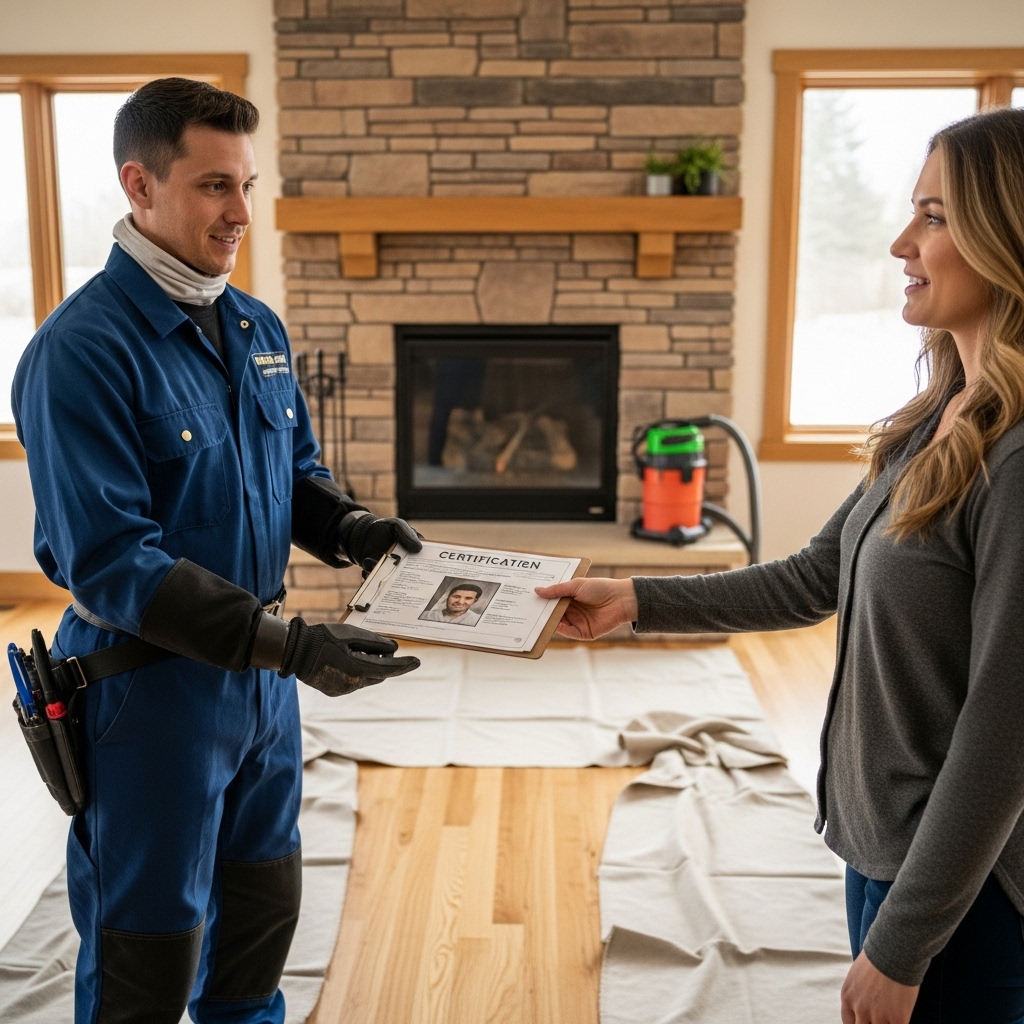
Ask for active certification details and request proof of insurance. Certification indicates training and continuing education. Insurance protects your property and the technician while work is performed. Confirm what the certification covers and whether the provider is current with updates relevant to modern appliances and liners.
Step 3: Evaluate communication and documentation
Before booking, notice how the company communicates: Do they ask thoughtful questions about your system? Do they explain their process clearly? Do they offer sample reports with photos? High-quality documentation is your best tool for understanding findings and making informed decisions.
Step 4: Understand inspection levels
Not every visit requires the same depth of evaluation. Some circumstances call for a basic maintenance inspection, while others—such as a property sale, system change, or after a chimney incident—may require a more comprehensive assessment. Ask the provider to explain what is included at each level and which is appropriate for your situation.
Step 5: Confirm protective measures and safety
Professional teams protect your home with drop cloths, containment, and HEPA filtration. They plan roof access with safety in mind and handle tools carefully to avoid damage. Ask how they manage dust and what steps they take to leave the site cleaner than they found it.
Step 6: Compare processes, not slogans
If you are reviewing multiple providers, request written descriptions of their procedures, inspection points, and deliverables. Compare how each company explains the work, the images they capture, and the clarity of their recommendations. The provider who communicates best before the job usually communicates best after, when findings matter most.
Step 7: Prepare your home for the visit
- Avoid burning for at least 24 hours beforehand to ensure cool surfaces.
- Clear space near the hearth or appliance and secure pets.
- Gather prior reports and note any changes you have observed.
- Decide where you prefer the technician to set up equipment and protection.
What to expect during service
On arrival, the technician will confirm your goals, review safety measures, and explain the sequence of tasks. During cleaning, they select tools matched to your liner and appliance, controlling dust and documenting progress. If they find concerns—such as cracked tiles, loose mortar, corroded components, or disconnected caps—they pause to show you photos and discuss options.
After the work, you should receive a clear report with images and plain-language recommendations prioritized by urgency. High-quality providers also offer tips for operation and maintenance tailored to your fuel type, usage patterns, and elevation.
How certified pros tailor service to Colorado homes
At altitude, combustion behaves differently, which influences creosote formation and draft. Certified technicians have the training to recognize these patterns, adjust methods, and verify results. They also understand how snow, sun, and wind impact crowns, flashing, and caps. Their recommendations often include moisture management, spark arrestor performance, and strategies to prevent wildlife intrusion.
Common myths about hiring a chimney professional
- “I rarely use my fireplace, so I do not need service.” Even unused systems can collect nests or debris, and weather can deteriorate components.
- “Gas fireplaces do not need attention.” Gas appliances still require periodic inspection to confirm safe venting and component condition.
- “Any brush and vacuum will do.” Tool choice matters and must match liner material and appliance type to avoid damage and ensure thorough cleaning.
Interview questions you can use
- Which inspection level do you recommend and why?
- What specific photos will I see in the report?
- How do you protect the home and manage dust?
- Are you experienced with my exact appliance and liner type?
- If issues are discovered, how do you prioritize next steps?
- Do you handle caps, crowns, flashing, and masonry, or work with specialists?
Signs of a top-tier provider
Look for consistency in communication, punctuality, and attention to detail. The best teams explain their methods clearly, protect your space meticulously, and document everything they observe. They treat your questions as essential, not an interruption.
If you want a second opinion or simply a clear baseline, schedule a visit focused on inspection and documentation first. Once you understand your system’s condition, you can plan maintenance and any repairs with confidence. During your research, consider the benefits of booking with a trusted team that offers a comprehensive professional chimney sweep process from start to finish.
Maintenance tips between visits
- Burn properly seasoned wood and maintain adequate airflow.
- Watch for stains, odors, or unusual draft behavior and note dates when they occur.
- Check that caps and spark arrestors remain intact after storms.
- Keep the firebox tidy and dispose of ashes safely.
FAQs
How often should a chimney be inspected?
Annual inspections are widely recommended, with more frequent checks for heavy use or after notable weather or performance changes.
What deliverables should I expect from a certified professional?
A clear report with photos, plain-language explanations, and prioritized recommendations so you can plan next steps.
Do gas fireplaces require service?
Yes. Gas appliances still need periodic inspection to verify safe venting and the condition of components.
How can I prepare for an appointment?
Avoid burning for 24 hours, clear space near the appliance, secure pets, and gather past documents for reference.
What if I have a historic or unusual chimney?
A certified pro will tailor tools and methods to your system’s materials, explaining any limitations and customized solutions.
Will it be messy?
A conscientious provider uses containment, HEPA filtration, and careful technique to keep your home clean.
Move forward with confidence
When you are ready to hire, choose the team that explains their methods clearly, documents thoroughly, and treats your home with care. Schedule with experienced chimney sweep services so your fireplace or stove is ready for Colorado’s changing seasons.