Understanding What Denver Homeowners Really Pay For
If you are trying to make sense of what homeowners in Denver actually pay for when they schedule a chimney inspection, it helps to think beyond a simple line item. In our Front Range neighborhoods, the investment covers far more than a quick glance up the flue. It reflects the time it takes to assess masonry that has weathered sudden freeze-thaw cycles, the expertise to interpret smoke staining and draft behavior at altitude, and the responsibility that comes with documenting findings for insurance, safety, and resale. What you are really purchasing is clarity: a clear picture of the condition of your chimney system today, the risks it could pose tomorrow, and the smartest way to protect your home and family through the seasons.
Denver’s housing stock is wonderfully varied, from turn-of-the-century brick bungalows to contemporary townhomes that integrate gas appliances and metal venting. Each style introduces unique inspection needs. An older fireplace with a full clay-tile liner, for instance, demands a different eye than a direct-vent gas unit that passes through building cavities. The time required, the equipment brought to the site, and the depth of reporting are shaped by these differences. When neighbors ask why fees vary from house to house, the answer almost always traces back to the work required to evaluate your specific system thoroughly and safely.
How Denver’s Climate Shapes the Inspection Scope
Our altitude may give us sunny winter mornings, but the same conditions can be hard on masonry, caps, and crown coats. During rapid temperature swings, moisture trapped in tiny cracks expands and contracts, slowly prying mortar joints apart. A thoughtful inspection in Denver means taking the time to check the crown for spider cracking, testing the integrity of flashing where snowmelt might have pooled, and confirming that the cap is still diverting wind-driven precipitation. Inspectors must also consider how thin, dry air affects draft, especially on days when inversions hold smoke lower than expected. This attention to climate-driven details is part of what homeowners pay for: not just seeing what is there, but understanding how local weather patterns influence performance and safety.
Wind exposure along the foothills can loosen caps and screens, while intense UV at altitude can prematurely age sealants. A comprehensive appointment accounts for the durability of those materials and the likelihood that maintenance cycles need to be shortened. In other words, your investment includes regional experience—knowledge learned from thousands of chimneys that have endured hailstorms, spring snow, and backyard fire pit seasons that run late into fall.
Levels of Inspection and Why They Matter
Although the industry describes different levels of inspection, what truly matters to a homeowner is matching the scope to the moment. If you have used your fireplace consistently and are simply keeping up with annual safety checks, a basic visual assessment combined with accessible interior review may be appropriate. If you’ve changed fuel types, completed a remodel, noticed performance changes, or experienced severe weather, a more in-depth, camera-enabled evaluation is justified. And for projects involving structural changes or suspected concealed damage, a comprehensive, invasive approach could be recommended. The point is not to inflate the process, but to ensure that the level matches the risk profile of your home and your goals, whether that is everyday use, a real estate transaction, or insurance documentation.
Time and care separate a cursory look from a meaningful inspection. Running a high-resolution camera through the flue, documenting every joint, and testing components under realistic conditions require patience and training. When you compare what homeowners pay across the Denver area, remember that depth of analysis and quality of reporting often explain the difference as much as anything else.
Home and Roof Factors That Influence the Work
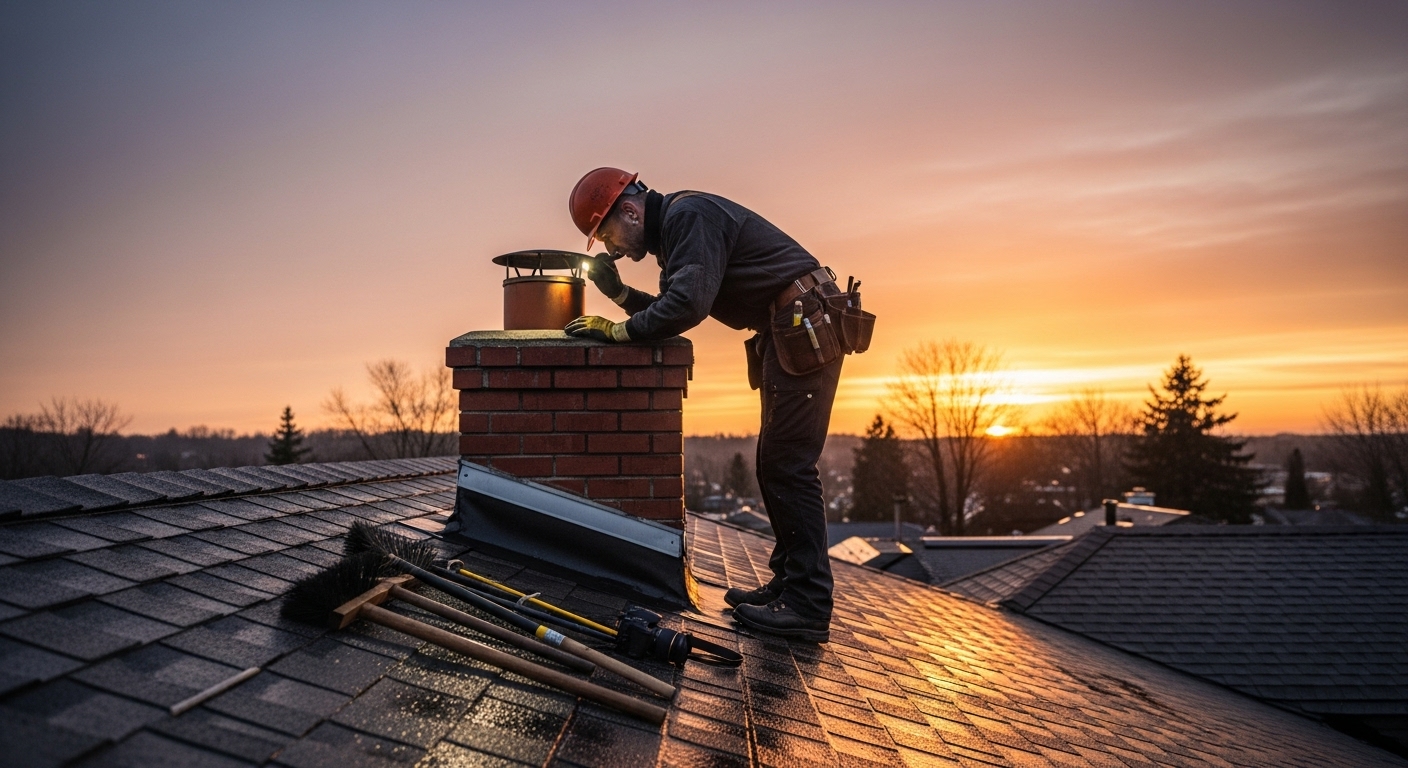
In neighborhoods from Park Hill to Green Mountain, the homes themselves shape the inspection workload. Roof pitch and height determine whether special ladders, harnesses, or anchor systems are necessary. Historic brickwork demands a gentler touch and a more detailed eye for mortar conditions and efflorescence. Multi-flue setups in larger homes take more time to trace, especially when multiple appliances share pathways. Even landscaping can play a role, as tree limbs close to a chimney alter the way wind swirls around the cap and can introduce debris and wildlife issues that warrant extra attention.
Inside the home, built-in enclosures and finished basements sometimes restrict access to clean-outs and thimbles. Gas lines routed near chase walls need careful tracing, and the compatibility of liners with the specific fuel type must be verified. These variables are why inspection schedules are rarely one-size-fits-all. The work flexes around the residence, the roofline, and the appliances involved.
Documentation That Holds Up in Real Situations
What homeowners truly value—often more than they expect—is the report that follows the visit. In a city where many people change homes within a decade and where lenders and insurers want clear, authoritative documentation, the report is a lasting asset. A thoughtfully prepared document will outline where the system meets standards, where it deviates, and what the practical implications are for safety and performance. Photos and video stills from a chimney camera add credibility and clarity. When you go to negotiate during a home sale, or seek coverage after a weather event, a professional report that is thorough and readable makes the difference between uncertainty and resolution.
That report also becomes a maintenance roadmap. Instead of a vague recommendation to “keep an eye on it,” you receive actionable guidance—seal the crown within the season, monitor a specific joint, plan to update the cap before next winter, or consider a liner modification if fuel choices change. The value of that forward-looking plan often exceeds the appointment itself because it helps you spend future home maintenance dollars where they matter most.
Timing, Seasonality, and How Scheduling Plays In
Denver’s fireplace rhythm leans heavily toward fall, yet scheduling in late summer or early shoulder season can improve availability and allow time for follow-up work before cold nights settle in. Inspectors also adjust for weather; for rooftop evaluations, safety comes first, and a snow-covered roof may require rescheduling. Good providers communicate clearly and plan around storms while keeping your project moving. Many homeowners appreciate the flexibility and attention to safety—two elements that shape the experience as much as the technical work itself. If you are planning ahead, a simple way to keep everything on track is to reach out early and confirm the scope of your chimney inspection along with any access needs for roof and interior.
For properties with tenants or short-term rentals, aligning with occupancy windows is equally important. Clear communication with residents, lockbox information, and instructions for securing pets are small details that make the day go smoothly. The result is a respectful, efficient appointment that leaves your property in the same condition it was found—only better informed.
Safety, Access, and the Human Side of the Work
A professional inspection team brings more than tools; they bring a safety culture. Proper use of fall protection, ladder placement on variable terrain, and careful housekeeping inside the home are signs you’ve hired pros. In Denver’s dense urban zones, parking constraints and alley access can complicate the setup, and coordinating those logistics takes time. That time is built into the experience, as is the courtesy of floor protection, vacuum containment, and respectful conversation about findings. Homeowners consistently tell me that the most valuable part of the visit is not the camera footage but the walk-through afterward, when they see photos, ask questions, and leave with genuine understanding.
That conversation is where the value becomes personal. Maybe you’ve been nervous about an odd odor on cold starts, or you’ve wondered why smoke sometimes hesitates at the firebox. When an inspector can explain the interaction between stack effect, make-up air, and a tightly sealed, energy-efficient house, the lightbulb goes on. You pay not only for a verdict but for the education that empowers you to use your fireplace more safely and successfully.
Comparing Providers: What to Look For Beyond the Price
When neighbors swap recommendations, they often mention responsiveness and clarity. Look for a company that answers questions readily, offers a clear description of the inspection process, and provides sample reports so you know what you’ll receive. Experience with Denver’s specific conditions matters, as does ongoing training to keep up with changing appliances and evolving standards. Ask how they handle situations where findings suggest additional work: do they provide neutral documentation you can use for second opinions, and do they explain priorities in plain language? These qualities define the experience you are paying for.
Another factor to consider is the use of technology. High-quality lighting, flexible camera heads that can navigate offsets, moisture meters for adjacent building materials, and combustion analysis for gas units all contribute to more accurate conclusions. The more precisely an inspector can diagnose issues, the more likely you are to make good decisions afterward. Precision, ultimately, saves money and prevents headaches.
Common Denver Findings That Influence Recommendations
After years of looking inside chimneys across Denver, patterns emerge. We frequently see crown cracks from hail and sun exposure, lightly corroded caps that are still serviceable with maintenance, and mortar joints inside flues that show early signs of wear. In older homes, smoke chamber parging can be rough or incomplete, creating turbulence that diminishes draft quality. For gas appliances, we sometimes find undersized or oversized liners that hinder performance, or shared flues that require reconfiguration for safety. None of these are cause for panic when identified early. The point of inspection is to place a spotlight on developing issues while they are straightforward to address.
Another recurring theme is ventilation balance. Modern windows and air sealing improve energy efficiency but can starve a fireplace of make-up air in cold weather, resulting in sluggish starts or intermittent smoke spillage. Identifying that condition during an inspection, and explaining options for fresh air supply, transforms frustration into a plan you can trust.
How to Prepare for Your Appointment
A bit of preparation helps the visit run smoothly. Clear a small path from the entry to the fireplace, move delicate decor away from mantels, and avoid lighting a fire for at least 24 hours prior so the system is cool to the touch. If you’ve noticed any specific behaviors—draft quirks, odors after storms, or animal activity—jot them down. A good inspector will want to hear your observations because they guide the diagnostic process. If roof access goes through interior spaces, confirming access points saves time and avoids disruptions, especially when kids or pets are home.
After the visit, set aside a few minutes to review the report when it arrives. If anything is unclear, ask for clarification right away. The goal is for you to feel confidently informed—not overwhelmed by technical jargon. Good documentation brings peace of mind, whether you plan to light your first fire of the season or you’re preparing for a real estate closing.
FAQ: Denver Chimney Inspection Questions Answered
Q: How often should a chimney be inspected in Denver?
A: As a rule, annual inspections keep you ahead of weathering and usage, especially with our rapid seasonal shifts. Even if you do not burn frequently, wind-driven debris, nesting activity, or small masonry changes can develop in a single year. Routine visits catch those early, ensuring safe operation when you need heat most.
Q: What’s the difference between a quick check and a comprehensive evaluation?
A: A quick check may confirm that visible components look normal, while a comprehensive evaluation uses specialized cameras, gauges, and access techniques to assess internal flues and concealed areas. The right scope depends on recent changes, symptoms you’ve noticed, and whether documentation is needed for a sale or insurance.
Q: Do gas fireplaces need inspections as often as wood-burning ones?
A: Yes, but for different reasons. Gas units produce less soot, yet they rely on precise venting and safe fuel delivery. An inspection verifies combustion, confirms clearances to combustibles, checks for corrosion on venting, and ensures safety devices operate correctly. It’s about performance and peace of mind, not just cleanliness.
Q: Can bad weather delay my appointment?
A: For rooftop components, snow and ice can require rescheduling for safety. Interior work typically proceeds, and reputable companies communicate promptly about adjustments. Planning ahead in shoulder seasons helps reduce weather-related delays while maintaining a thorough evaluation.
Q: Will I receive photos or video?
A: Professional reports commonly include photos and, when appropriate, stills from video runs. These visuals make findings easy to understand and give you a shared reference if additional work or a second opinion is considered.
Q: What if I’m selling or buying a home?
A: During real estate transactions, documentation becomes pivotal. Request an inspection aligned with the level of certainty needed for the sale, and ensure the report clearly states condition, implications, and recommended next steps. Thorough records reduce surprises and support smoother negotiations.
Q: Is there anything I should do before the inspector arrives?
A: Avoid fires for 24 hours before the appointment, provide clear access, secure pets, and gather any previous maintenance records or past inspection reports. Your notes about performance help the inspector focus on likely trouble spots.
Ready to Feel Confident About Your Fireplace?
When you schedule in Denver, you’re paying for expertise attuned to our climate, construction styles, and safety priorities—not just time on a ladder. If you want a clear plan for safe, efficient use all season long, reach out to discuss your home and goals. Start the conversation today and book your chimney inspection with a local specialist who will take the time to do it right, explain the findings plainly, and equip you with a report you can rely on. Your home will be warmer, safer, and easier to maintain because you made an informed choice.