
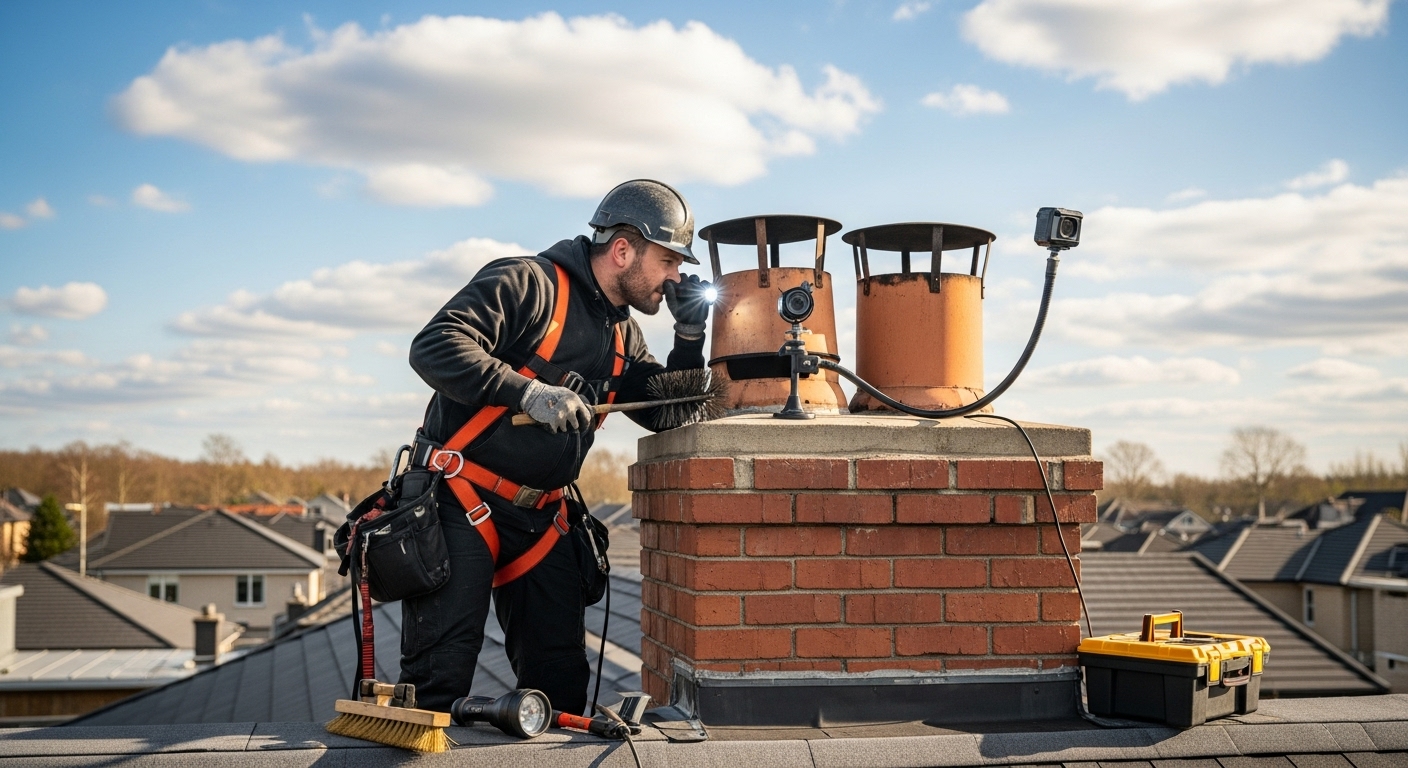
Getting Your Chimney Winter-Ready at a Mile High
Winter along the Front Range is a medley of blue-sky days, surprise squalls, and temperature swings that test every part of a home. At a mile high, thin air and freeze-thaw cycles change how chimneys age and how fireplaces perform. If you want steady, cozy fires and trouble-free gas units, preparation is everything. A professional chimney inspection is the cornerstone of that preparation, giving you a clear snapshot of your system and a plan tailored to Denver’s unique conditions. With that plan in hand, you can move into winter confident that your chimney is ready for the season, not just the first cold night.
Over the years, I’ve helped homeowners from Park Hill to Littleton get ahead of winter by focusing on a few key themes: weather resilience, altitude-aware performance, and predictable maintenance. When these threads come together, fires start easily, gas units run reliably, and exterior components shrug off snow, wind, and sun.
Understand How Altitude Influences Draft
Draft—the invisible engine that carries smoke and exhaust up and out—behaves differently in thin air. At altitude, pressure differences are modest, so small imperfections create outsized effects. Rough smoke chambers, obstructions near caps, and insufficient make-up air all slow the start of a fire and can cause a stubborn haze at the opening. An inspection that includes a close look at the smoke chamber geometry, cap configuration, and home air sealing will reveal where a little tuning can produce big improvements. In many Denver homes, optimizing these factors turns a temperamental fireplace into a dependable centerpiece when temperatures drop.
For gas units, venting geometry and termination design are equally important. Verifying that transitions are tight, clearances are maintained, and combustion characteristics are within normal limits ensures that a gas fireplace or stove responds predictably on the coldest days.
Respect the Freeze-Thaw Cycle
Moisture is the quiet enemy of masonry in winter. Water in tiny cracks expands as it freezes, teasing mortar joints apart and making hairline crown fractures larger. Because our weather often warms by afternoon, this cycle repeats day after day. A winter-ready chimney has a sound crown, a secure cap, and flashing that diverts meltwater cleanly onto the roof surface. During inspections, I look closely at these elements because keeping water out is half the battle of winter longevity.
Inside the flue, small defects can compound under winter conditions. If tile joints are opening or a liner is misaligned, cold starts become slower and residue can accumulate in places that are hard to see without a camera. Early identification leads to targeted maintenance that keeps everything moving safely skyward.
Fuel Choices and Burning Habits
What you burn and how you burn it matter more in Denver than many realize. Dry, seasoned wood minimizes smoke and residue, especially important when high-pressure systems settle in and inversions make the air feel still. Start small, let the chimney warm gradually, and add fuel in stages; this approach encourages a steady draft and lessens the chance of smoke spilling back into the room. If you’ve upgraded windows or tightened your home for energy efficiency, consider how make-up air will reach the fire. Sometimes the solution is as simple as cracking a nearby window during startup; an inspection can confirm whether a more permanent fresh-air strategy is advisable.
For gas fireplaces, routine checks of the log set placement and glass seals—referencing the manufacturer’s guidance—help ensure stable flames and consistent warmth. During an inspection, those items are verified, and any drifting from the original setup is corrected.
Give Attention to Caps, Crowns, and Flashing
Exterior components do quiet, essential work all winter long. A good cap keeps out snow, sleet, and wildlife; a healthy crown sheds water; and properly integrated flashing ensures meltwater flows away from the chimney without sneaking under shingles. Denver’s winter sun is intense at altitude and can age sealants faster than expected, so inspections focus on UV wear as much as they do storm damage. Catching small flaws in these areas protects nearby materials like sheathing and framing, which are time-consuming and disruptive to repair if moisture gains a foothold.
Even in seemingly pristine systems, I often find small crown checks or screen wear after a windy stretch. Correcting those early keeps your chimney resilient when the next storm rolls in from the foothills.
Mind the Interior: Firebox and Smoke Chamber
Inside the home, the firebox and smoke chamber deserve the same winter prep as the roofline. Mortar joints, refractory panels, and the smoothing of the smoke chamber all affect how cleanly a fire lights and how quickly the system comes to equilibrium. At altitude, where draft has less natural assist, reducing turbulence pays dividends. The inspection’s close-up photos help you see exactly what the fire sees on its way up the flue, and recommendations follow logically from those images.
Small repairs and tune-ups completed before winter simply perform better. Materials cure properly, access is easier, and you avoid rushing during the busiest season.
Plan for Safe Access and Efficient Appointments
Winter readiness includes smart scheduling. When snow and ice are in the forecast, rooftop work may shift to a safer day, while interior steps proceed as planned. Communicating about access through gates, garages, or alleyways makes a bigger difference than you might think, especially in Denver’s tight urban lots. Prepare by clearing a path to the hearth, securing pets, and avoiding fires for at least 24 hours before the appointment so components are cool and ready for a thorough look.
For multi-unit buildings or homes with tenants, coordinate inspection windows well in advance. Bundling visits with filter changes or alarm checks minimizes disruption and keeps everyone on the same page.
After-Storm Checkups
We all remember those surprise spring snows that land heavy and melt fast. Even mid-winter, a wet, dense snowfall can stress caps and dump moisture on crowns. After significant weather, a short follow-up visit or a careful visual check can confirm that everything remains secure. It’s a small step that prevents small problems from becoming spring projects.
Wind is another frequent culprit. Along the foothills and in open neighborhoods, strong gusts can loosen screens or shift lightweight terminations. Inspectors expect these patterns and watch for telltales like fresh rub marks or slightly altered cap alignment.
Gas Appliance Specifics in Cold Weather
Gas fireplaces and stoves are winter workhorses, providing instant heat without the logistics of wood. Their reliability depends on tight vent connections, correct clearances, and stable combustion. Inspections verify these elements, and minor tune-ups keep response consistent during prolonged cold spells. Pay attention to any new odors or intermittent shutdowns; those are signals worth discussing during the appointment so your system stays dependable on the chilliest nights.
For direct-vent units, snow drifts can temporarily affect terminations. Keeping the area around exterior vents clear is a simple habit that supports safe operation.
Documentation as a Winter Strategy
A clear, photo-rich report doubles as your winter maintenance checklist. It tells you what is fine, what needs attention soon, and what to monitor as the season unfolds. That plan helps you prioritize without guesswork, and it becomes especially valuable if you decide to sell or if weather damage prompts a conversation with your insurer. Good documentation is not merely a record; it is an action plan tailored to Denver’s conditions.
When you can explain the report in your own words, you know you have the kind of clarity that makes maintenance effortless. Use it to schedule work during lulls in the weather and to keep track of small items before they grow.
Frequently Asked Winter Questions
Q: How early should I schedule before winter?
A: Late summer through early fall offers the best windows for flexible scheduling and timely follow-up. That said, inspections throughout winter remain valuable; many steps can proceed indoors, with exterior work timed around safe roof conditions.
Q: Do I need an inspection if I use my fireplace only a few times a year?
A: Yes. Wind-driven debris, wildlife activity, and weathering occur regardless of how often you burn. An annual check ensures your system is ready when you want it and catches small issues early.
Q: What about new gas fireplaces—do they need attention before winter?
A: They do. Verifying venting integrity, clearances, and combustion characteristics keeps performance consistent and prevents nuisance shutdowns. A brief annual review goes a long way toward winter reliability.
Q: How can I reduce smoke at startup?
A: Warm the flue gradually with smaller kindling, ensure the damper is fully open, and provide make-up air in tight homes, especially during very cold mornings. An inspection can pinpoint draft bottlenecks and suggest targeted improvements.
Q: What should I do after a heavy, wet snow?
A: Once conditions are safe, confirm that caps and terminations remain secure and that meltwater is shedding cleanly. If anything looks shifted or noisy in the wind, schedule a quick check to avoid surprises later.
Q: Will an inspection be messy?
A: Professional teams protect floors and furnishings, use containment and vacuums, and leave the space as clean as they found it. Clear communication about access and preparation keeps everything tidy and efficient.
Head into Winter with Confidence
Denver’s winters reward those who prepare. If you want warm, predictable fires and reliable gas heat, start with a plan built for our altitude, weather, and architecture. Schedule a thorough chimney inspection now, review a clear report, and tackle any tune-ups while conditions cooperate. When the snow flies and the temperatures dip, you’ll be glad you took simple, smart steps to make your home comfortable and safe all season long.