
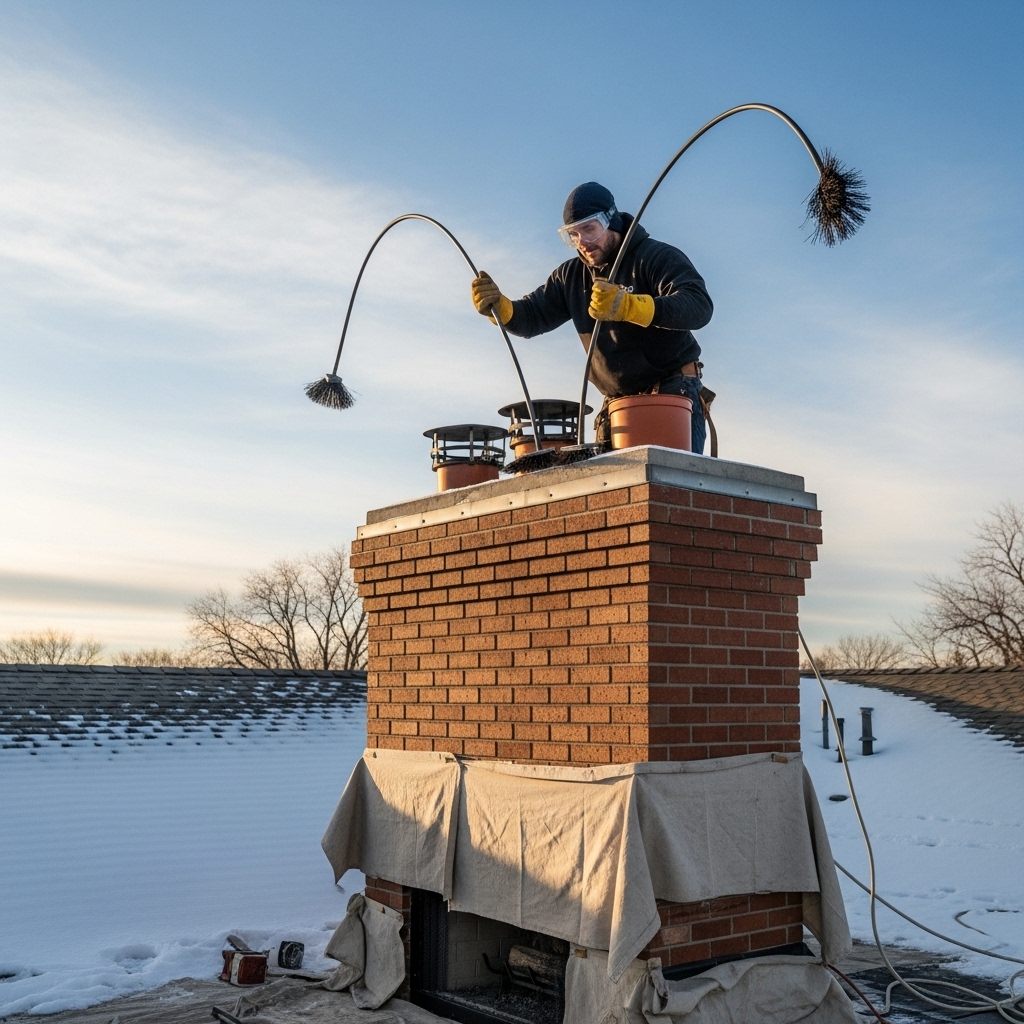
If you heat with wood or enjoy the occasional fire on snowy evenings, keeping your chimney clean is as essential in Denver as keeping chains in the trunk when a surprise spring storm rolls in. As a local who has spent years studying how our high-altitude climate shapes home maintenance, I can tell you that “affordable” chimney care is about much more than chasing a bargain. It’s about choosing smart timing, understanding how elevation affects soot and draft, and working with a neighborhood-focused team that safeguards your home while maximizing long-term value. Right from the start, it helps to remember that expert chimney cleaning is a preventive measure that keeps your living room smoke-free, your flue drafting correctly, and your peace of mind intact when winter settles across the Front Range.
Denver’s unique combination of cold snaps, sunny thaws, and thin air changes what accumulates inside a flue and how quickly it builds. At altitude, fuels burn a little differently. Wood that seems seasoned may still hold more moisture than you expect, and that moisture can contribute to glazed deposits if the flue never fully warms. Add in inversions and wind-driven downdrafts, and you have a recipe for soot and creosote that doesn’t behave exactly like it does at sea level. An affordable approach means factoring in these local realities so you’re not scheduling repeat visits unnecessarily or waiting too long and risking a messy surprise when you light that first fire of the season.
What “affordable” really means in the Mile High City
In practice, affordability in Denver is about aligning need with timing and scope. If your fireplace is mostly decorative, your routine may look different than a household that relies on a wood stove for supplemental heat. A townhome in Sloan’s Lake may have a short metal flue nestled between shared walls, while a brick chimney in Park Hill might be taller and older, with a clay liner that needs gentler techniques. Choosing a service that tailors its approach to your home—rather than applying a one-size-fits-all package—keeps the work efficient and focused on what actually matters.
Local familiarity also helps keep the visit streamlined. A crew that has navigated tight alleys in Baker, steep roofs in Highland, and sudden afternoon gusts that roll down from the foothills is quicker to adapt and protect your interiors. They know when a morning appointment is best to avoid those gusts, and when afternoon sunshine will warm the flue enough to make the cleaning smoother. Those small judgment calls keep the work on track and reduce the risk of do-overs that add friction and frustration to your season.
Why your neighborhood and home style matter
Denver’s housing stock is wonderfully varied. On one block you may see an early 1900s bungalow with a masonry chimney, next to a mid-century ranch with a factory-built metal system, around the corner from a modern infill with a sealed gas unit. Affordable service meets each one where it is. With older masonry, gentle hand-brushing and careful soot containment are vital to preserve mortar and tiles. With manufactured systems, proper rod types and brush sizes ensure effective contact without abrasion. In multi-story townhomes or condos, clean-access strategies make all the difference, especially when roof access is limited or controlled by building rules. The right plan minimizes time on site while still delivering a thorough result.
Altitude also nudges technique. Thin air can influence draft and the way smoke rises, and local crews expect that. They’ll watch for indicators like a cold, heavy column of air sitting in the flue that needs to be primed before work begins. They’ll anticipate the ways mountain winds can flip a downdraft into your living room and use containment systems that protect furnishings, rugs, and flooring. True affordability isn’t just about initial scheduling; it’s about efficiency built on hard-won local experience.
Seasonal rhythm and smart scheduling
In Denver, the calendar can make or break your plan. Autumn brings a rush as everyone remembers the fireplace at once, while late winter and early spring can be surprisingly busy after the season’s heaviest burning. If you want smooth, affordable service, look slightly ahead of the curve. Late summer can be perfect: your chimney’s dry, crews have easier roof access, and you’ll be ready for the first chilly night without scrambling. In shoulder seasons, you can also combine a safety evaluation with the cleaning, so any minor issues discovered are addressed during mild weather, not after the first heavy snowfall.
Homeowners who rely on a stove as a primary supplement tend to benefit from a mid-season check, especially after a stretch of intense use. It might not require a full interior clean, but a quick assessment can catch developing creosote or debris, like windblown leaves that found their way past a tired cap. When maintenance fits your burn habits, it’s naturally more manageable and avoids the stress of last-minute fixes right when you want to build a fire.
How a professional cleaning unfolds
Even when you’re focused on keeping it affordable, there’s immense value in a methodical, professional process. A typical visit includes setup and protection of the work area, confirmation of the system type, and the use of rods and brushes designed for either masonry or factory-built flues. Powerful vacuums with fine filtration prevent soot from drifting into the room. A conscientious team will confirm that the smoke chamber and firebox are free of loose debris, that the damper moves freely, and that the visible portions of the liner don’t show red flags like cracking or abnormal sheen that hints at a different deposit chemistry.
In Denver, an experienced eye also catches high-elevation quirks: a cap that’s adequate at lower elevations may cause draft hiccups here, or a flue that’s the right diameter on paper but behaves “tight” in practice. When the cleaning is coupled with a clear explanation—what was found, how it was addressed, and any watch-outs for future seasons—you get more than a swept flue. You gain a plan tailored to your house, your fuel, and your habits, which is the best definition of affordability I know.
DIY versus hiring a pro
Plenty of Denver homeowners are confident on ladders and comfortable doing basic maintenance. If you’ve got a simple, straight flue and the right protective equipment, DIY can handle light soot. But many urban chimneys have elbows, offsets, or liners that make access trickier than it looks. Indoors, soot is astonishingly fine; without the right containment, it can settle across the room and into HVAC returns. Outdoors, steep pitches, snow-dusted shingles, and sudden gusts introduce risk. When you weigh the gear you’d need and the time it takes to learn safe technique, it’s easy to see why many locals choose professionals for a complete, mess-free result.
That doesn’t mean you’re hands-off. A smart homeowner’s role is to choose seasoned help, ask good questions, and keep an eye on burn habits. If your morning fires often smolder or you notice a stubborn smoky smell on thaw days, say so. Describing those patterns helps a technician spot the root cause quickly. Clear communication is an underrated path to affordability: it keeps the visit focused on what matters most to your home.
Clues your chimney is ready for attention
You can stay ahead of problems by noticing the little signals your home is already sending. A fireplace that suddenly takes longer to establish a steady draft may be telling you the flue is narrowing with deposits. A cap rattling on a windy night might be loose or clogged. Fine, black dust on the hearth points to disturbed soot, while a faint campfire smell on sunny afternoons can suggest a downdraft. None of these are cause for panic, but they are excellent signs it’s time to schedule a visit before your next round of fires.
In condos or townhomes where gas units are more common, don’t ignore faint odors or unusual flame patterns. Even sealed systems benefit from periodic inspection to ensure vents are free and components are performing as designed. Clean vents support efficient combustion and help your heating system work as intended when temperatures dip.
Mid-season reality check
Every Denver winter includes a week or two of heavy use when temperatures drop quickly and everyone heads for the fireplace. After a stretch like that, a short review can go a long way. You might not need full service, but a quick visual and a draft check confirm that everything is still running smoothly. If your schedule allows, pairing that check with professional professional chimney cleaning at a strategic point in the season can keep performance consistent, reduce smoke rollouts, and extend the life of your system’s components.
Pay attention to fuel quality and storage as well. Even wood you purchased as seasoned can pick up moisture in an exposed stack after a wet spring. In our dry climate, that moisture can be deceptive; logs feel light but still steam during the first minutes of combustion. Stored properly—off the ground, covered on top with open sides—your wood helps you keep soot accumulation in check and makes each fire more enjoyable.
Making sense of liners, caps, and altitude
Many older Denver homes have clay tile liners that do their job well when intact. Over time, natural movement and thermal cycles can stress those tiles. A cleaning is often the moment when hairline cracks or gaps become visible, and catching them early lets you plan thoughtful upgrades. On the other hand, many modern systems rely on stainless steel liners sized precisely for the appliance. A good sweep will verify that the liner is clean and appropriately matched for the fuel and appliance type.
At altitude, caps do more than keep weather out. They can stabilize draft by shaping airflow at the top of the flue, which is valuable when wind wraps around gables or rolls down a ridge line. Investing attention here pays back daily in easier starts and less smoke in the room. A properly functioning cap is one of the simplest ways to keep your system uncomplicated and affordable to maintain.
Preparing your home for an efficient visit
You’ll help the day go smoothly by clearing the area around the hearth and securing pets in a quiet room. If your roof access point is through a backyard gate, make sure it swings freely, and if there’s snow, a quick path to the ladder spot is appreciated. Share any details you know about the system—past repairs, age of the unit, or quirks you’ve noticed—so the technician begins with useful context. The half hour you spend preparing can make the difference between a routine appointment and a longer, more complicated one.
Afterward, ask for simple maintenance tips tailored to your setup. Maybe your flue likes a top-down fire to warm quickly, or your cap benefits from a quick glance after spring windstorms. Those small habits accumulate, and in Denver’s variable weather, they’re the sort of habits that keep your home cozy without drama.
Frequently Asked Questions
How often should a Denver homeowner schedule chimney cleaning?
Frequency depends on how often you burn, the type of fuel, and the system’s design. Many households benefit from an annual visit before the heating season begins, while casual users with gas units may follow a different rhythm focused on inspection and performance checks. The important part is to match your schedule to your actual use and to Denver’s altitude-driven draft patterns.
Is chimney cleaning messy?
With proper containment and high-efficiency vacuums, the process should be clean and controlled. Technicians lay protective coverings, isolate the work zone, and use fine filtration to capture soot. When done correctly, you’ll notice little more than a tidy hearth and improved draft when it’s over.
Can I burn pine in Denver?
Locally available softwoods, including beetle-kill pine, can be burned when properly seasoned. Softwoods ignite easily but can encourage quicker deposit formation if fires are frequently low and slow. Mixing loads and ensuring good, hot burns reduces the potential for heavy build-up, which is especially important at altitude where draft can be delicate on cold starts.
What are signs my chimney needs attention even if I don’t use it often?
Musty odors on sunny days, a damper that sticks, daylight visible in unusual places, or critter activity at the cap are all cues. If it has been a while since anyone looked inside, schedule an evaluation before the next cold snap so any surprises are handled on your timeline.
Are condo and townhome chimneys different to maintain?
They can be. Shared walls, restricted roof access, and specific venting arrangements in multi-unit buildings require coordinated approaches. A local team familiar with Denver’s common building styles will plan access and protection accordingly so the work is efficient and minimally disruptive.
Should I clean the chimney myself between professional visits?
Light maintenance like keeping the firebox tidy and checking that the cap is secure from the ground is reasonable for many homeowners. For interior flues, specialized tools and containment are important, and roof work always introduces risk. Most people find that periodic professional service provides the best blend of thoroughness and safety.
Will altitude affect how my fireplace performs after cleaning?
Yes, in subtle ways. A clean flue improves draft, but thin air means you’ll still benefit from good fire-building technique: dry fuel, adequate kindling, and patience during start-up. A technician can share methods that warm the flue quickly and maintain an even draft despite Denver’s shifting weather.
What if I smell smoke in the room even after a cleaning?
Occasional whiffs can happen on days with strong downdrafts or temperature inversions. If it’s frequent, ask for a follow-up to evaluate cap design, flue sizing, or room air pressure. Sometimes a simple change in how you start the fire or a minor adjustment to the cap resolves the issue.
Ready to warm your Denver home with confidence?
If your fireplace is calling your name, schedule a visit with a trusted local team that knows our neighborhoods, our roofs, and our weather. For a smooth, protective, and truly affordable experience from start to finish, choose expert chimney cleaning that keeps your home safe and cozy all season long.