
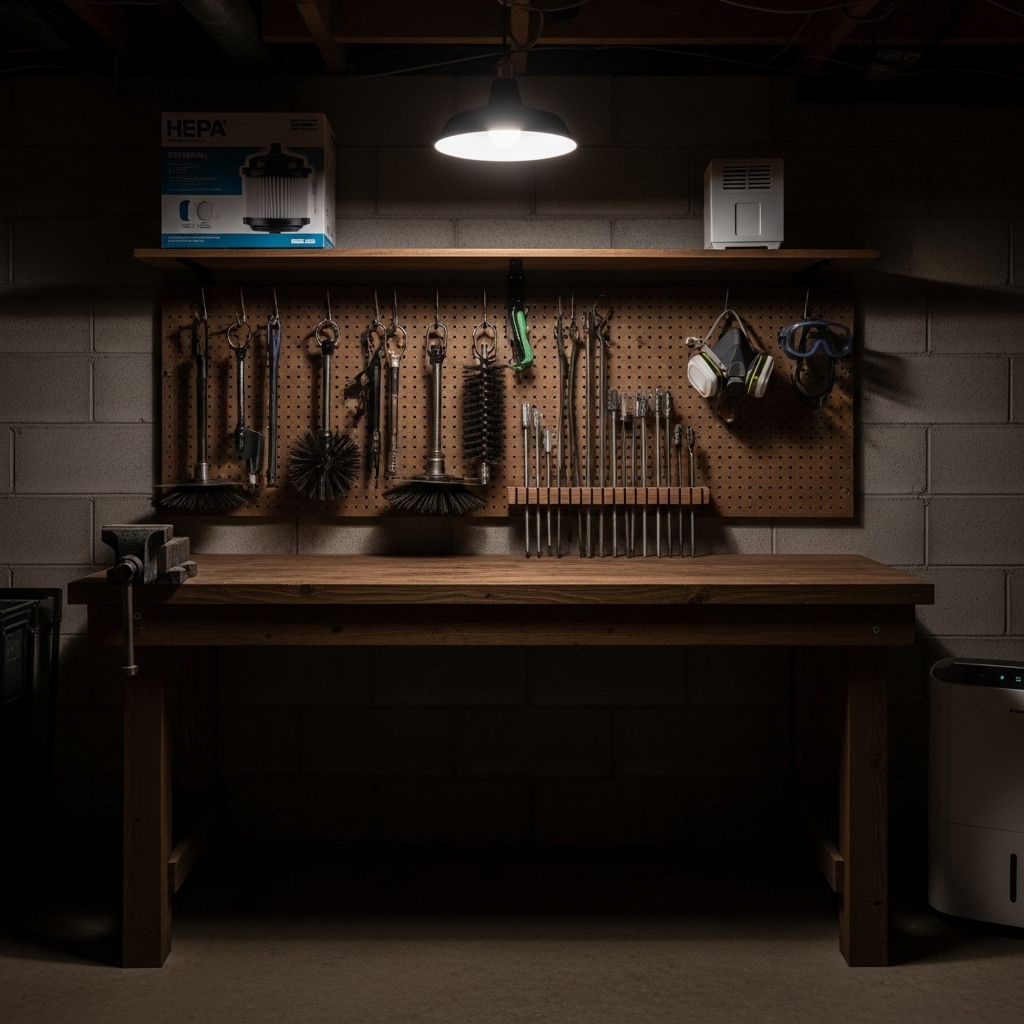
Ask anyone who has lit a fire on a crisp Denver evening: altitude shapes everything about a fireplace, from how quickly it drafts to the kinds of deposits that settle in the flue. If you enjoy taking a hands-on role in home care, understanding chimney cleaning supplies—and how they perform in our climate—will make your efforts smarter and your results safer. Whether your home is a century-old brick bungalow in West Wash Park or a modern build in Green Valley Ranch, the right tools, paired with altitude-aware technique, make all the difference. And when the job calls for deeper expertise, professional chimney cleaning ensures your system is tuned for winter when the snow starts to fall along the Front Range.
Before diving into gear, it helps to remember why cleaning matters here. Denver’s swings from bright, dry days to sudden cold snaps encourage a pattern of short, frequent fires that can leave thin films in a flue. If those films accumulate, they can become stubborn and reduce draft. Meanwhile, our winds famously curl around rooftops and down alleys, pushing air where it doesn’t belong. A well-maintained chimney—with deposits brushed away and a cap that manages airflow—keeps smoke headed outdoors and the living room smelling like wood, not soot.
Brushes, rods, and why fit matters
The foundation of chimney cleaning is simple: make proper contact with the liner to lift and remove deposits without damaging the material. In masonry chimneys with clay tile liners, wire brushes often provide the right bite, while modern stainless or aluminum liners typically prefer poly or nylon bristles that clean effectively without scratching. The diameter of the brush should match the flue, and it’s common to use a slightly oversized brush for masonry to account for minor irregularities.
Rods are equally important. Flexible fiberglass or nylon rods navigate bends and offsets common in factory-built systems and retrofitted liners. Stiffer rods are useful for straight, tall masonry flues, but they demand caution to avoid aggressive contact at joints. At altitude, where draft can be sensitive, thorough contact matters, which is why having the right brush and rod combination is the starting point for any successful cleaning.
Vacuums and containment for clean interiors
Fine soot is notorious for drifting. In Denver’s dry climate, you’ll find that dust of all kinds stays aloft longer than you expect. A high-efficiency vacuum with fine filtration is essential to capture soot as it’s dislodged. Equally important is containment around the hearth: drop cloths that seal well, hose routes that won’t snag, and a layout that keeps the work zone isolated. The goal is simple: a living room that looks exactly as it did before you started, with a flue that breathes better than it has in months.
If your home includes rugs that hold static in winter or light-colored furnishings near the hearth, consider extra layers of protection. The combination of winter dryness and soft textiles can make even tiny soot particles stubborn. Thoughtful preparation makes cleanup minimal and your results more satisfying.
Inspection tools: mirrors, lights, and cameras
Seeing clearly is as important as brushing thoroughly. Basic inspection can be done with bright lights and angled mirrors, which reveal the condition of the lower flue, smoke chamber, and damper. For a deeper look, cameras designed for chimney work provide images of the liner’s interior, especially useful in older masonry where small cracks or gaps can hide in shadows. In metal systems, visuals confirm that seams are aligned and clear.
At elevation, inspection helps you interpret odd behaviors. If you have persistent start-up smoke or a fireplace that prefers a cracked window, images and observations can reveal whether the flue is constricted or if the cap is encouraging turbulence. Diagnostics are part of what separates a quick once-over from a genuinely effective cleaning.
Protective gear for safety and comfort
Safety gear is not optional. Soot is fine, messy, and irritating to lungs and eyes. A well-fitted respirator with appropriate filters, safety glasses, gloves, and durable clothing keep you comfortable and protected. If roof access is necessary, stable footwear with good grip and a safety harness on steep pitches are non-negotiable. Denver’s weather can change quickly, so plan roof work for calm, dry periods and watch for afternoon winds that are common along the Front Range.
Inside, secure pets in a quiet space, and stage tools so you’re not stepping over hoses or rods. A tidy workflow is safer, faster, and far less frustrating.
Caps, crowns, and why they’re worth your attention
Think of the top of your chimney as the system’s first line against weather and wildlife. A well-matched cap sheds rain and snow, discourages downdrafts, and keeps critters out. In Denver’s gusty conditions, cap design can be the difference between a steady draft and periodic smoke rollouts on blustery days. Crowns—the masonry that seals the top of a brick chimney—deserve attention too. Look for small cracks that can widen with freeze-thaw cycles, allowing water to penetrate and deteriorate the structure over time.
During cleaning, a quick check of the cap and crown is simple and smart. If you see signs of wear, plan repairs during mild weather rather than waiting for winter’s worst. Early action usually means easier action.
Understanding deposits at altitude
Not all soot looks the same. Powdery deposits are common after hot, efficient burns, while shiny or sticky residues can appear when fires are short or fuel holds more moisture than expected. Because Denver’s weather invites a pattern of short evening fires, you may encounter a light sheen forming earlier in the season than you would at lower elevations. Recognizing that sheen early lets you adjust technique and schedule before it becomes more stubborn.
Good fuel habits support clean outcomes. Store wood off the ground with open sides for airflow and a top cover that sheds snow. Split to manageable sizes, and resist the temptation to burn branches that just fell during a storm unless they’re well dried. Your fires will start more easily and leave less behind.
When to reach for professional help
DIY work has its place, and many Denver homeowners enjoy the satisfaction of maintaining their own systems. But there are moments when a pro’s experience pays dividends. If your flue has bends and offsets, if you suspect animal activity, or if you notice sticky or glazed residues, specialized tools and techniques are often needed. Roof work on snowy or windy days is another situation where caution suggests calling in help. There is no substitute for the efficiency and thoroughness of a team that does this every day.
In the middle of the heating season, when you’ve had a stretch of heavy use or a week of inversions that made start-ups fussy, pairing a quick check with professional chimney cleaning can reset performance. You’ll reclaim easy starts and steady draft just when you want to enjoy your fireplace the most.
Preparing for a smooth cleaning day
A few simple steps make the day easier and safer. Clear the area around the hearth, make sure outdoor gates and paths are accessible, and let family members know to keep the work zone clear. If roof access is needed, check the forecast for wind and precipitation. Inside, gather tools in a staging area and lay out protective coverings before any brushing begins. These basics are small but powerful contributors to a tidy, effective result.
Afterward, take a moment to note what you found: the type of deposits, any cap observations, and how the fireplace behaved on the next lighting. Those notes help you adjust your technique and schedule for the rest of the season.
Frequently Asked Questions
What brush should I use for my chimney?
Match the brush to the liner material and size. Clay tile often responds best to wire, while stainless and aluminum liners prefer poly or nylon to avoid abrasion. Slightly oversized brushes can be helpful in masonry to contact irregularities, but always proceed with care.
Do gas fireplaces need cleaning supplies too?
They benefit more from inspection supplies than sweeping gear. Bright lights, mirrors, or cameras help verify clear vents and healthy components. Even though gas produces different residues, periodic checks support reliable operation.
How often should I plan to clean at altitude?
Your schedule should reflect real-world use. Households that burn often tend toward an annual rhythm before winter, with a mid-season check if use is heavy. Occasional users, especially with gas units, follow a different cadence focused on inspections.
Is cleaning messy?
It doesn’t have to be. With fine filtration, good containment, and careful setup, soot stays where it belongs—in the vacuum. Thoughtful preparation keeps your living space clean and stress-free.
Can I handle roof work myself?
Only with the right safety gear and stable conditions. Denver’s winds can pick up quickly, and snowy roofs are unforgiving. If you have any doubt about safety, or if your flue has tricky access, a professional is the smart choice.
What signs suggest I should call a pro?
Persistent start-up smoke, sticky or shiny residues, evidence of animals at the cap, or performance that worsens despite your efforts are all good prompts. These situations often call for specialized tools and experience.
Ready to get your chimney and tools dialed for Denver’s winter?
If you want the benefits of expert support alongside your own DIY care, schedule trusted chimney cleaning with a local team that understands altitude, wind, and the way Denver homes are built. You’ll head into the season with confidence, a clean flue, and a setup that makes warm evenings by the fire effortless.