Ask any seasoned Denver homeowner what separates the best chimney cleaning services from the rest, and you’ll hear one word over and over again: safety. Safety for your family, for your home’s structure, and for the technicians on your roof. In a city where winter can roll in overnight and rooftops tilt toward mountain winds, the most capable teams plan, communicate, and execute with an attention to detail you can feel from the first phone call. This guide distills what top-tier safety looks like in practice—from the tools pros choose to the way they document findings—so you can hire with confidence and enjoy your fireplace without worry. And along the way, I’ll point out the small, practical habits that turn professional chimney cleaning into month-after-month peace of mind.
Start with the Mindset: Safety is a System
Great providers don’t view safety as a checklist tacked on at the end; it’s the framework shaping every decision. Before a ladder is lifted, a top team evaluates weather, roof pitch, anchor points, and electrical hazards. Indoors, they protect floors and furnishings, stage vacuums with fine filtration, and ensure the firebox is cool. That baseline prepares the crew to adapt to Denver’s quick shifts—clear blue skies can give way to a flurry during the same appointment window. When the mindset is right, pace is steady, communication is calm, and each task—inspection, cleaning, verification—flows into the next without shortcuts.
Tools and Techniques that Respect Your Home
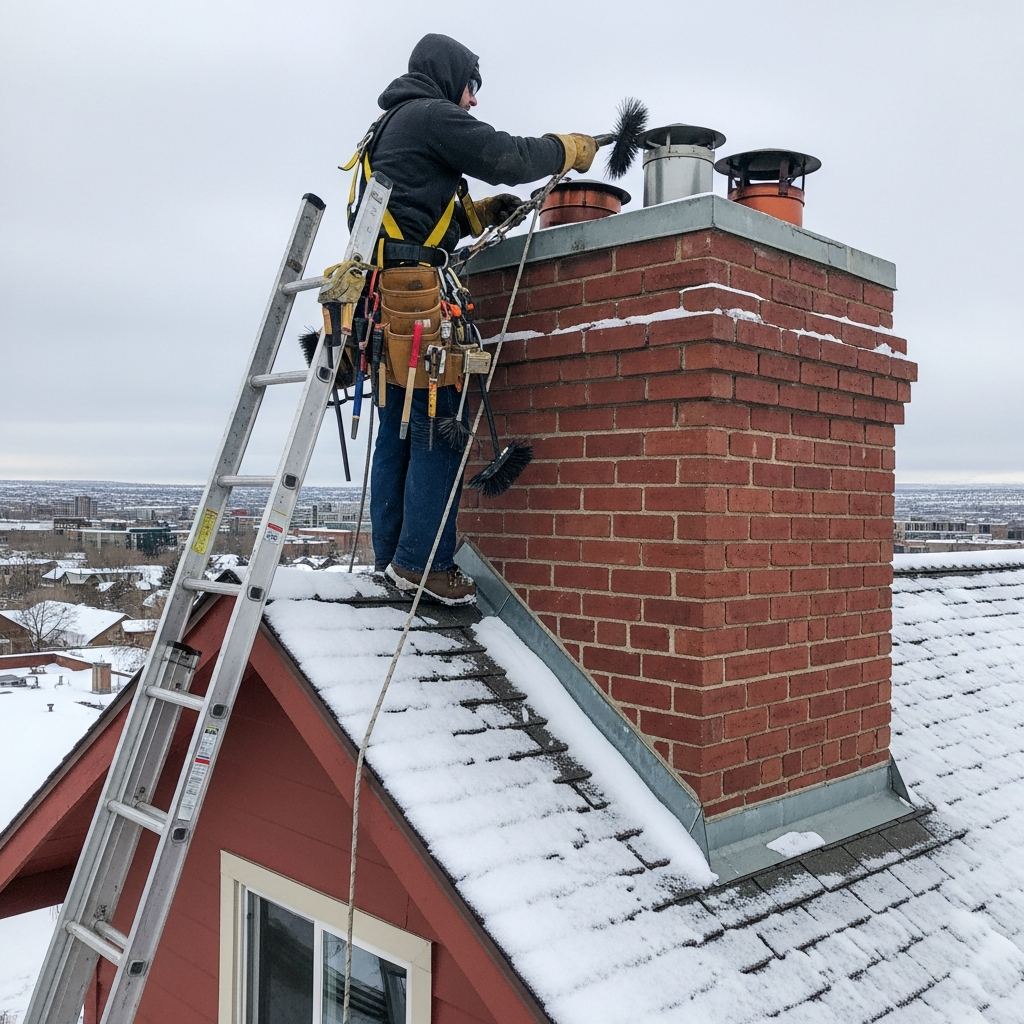
Professional tools tell a story about priorities. HEPA-grade filtration in vacuums preserves indoor air quality, especially important in our dry climate where dust wants to travel. Brush choices are matched to liner material; gentle poly brushes for many metal liners and properly selected wire for masonry prevent damage while dislodging residue effectively. Drop cloths and containment barriers appear before any soot is disturbed, and technicians move deliberately around mantels and hearths where heirlooms often sit. Attention to detail extends beyond the firebox: on the roof, soft-soled footwear, secure tie-offs, and stable ladder placements are non-negotiables, and the work pauses if conditions aren’t safe.
Documentation You Can Use
Safety also lives in clear documentation. Top services provide photos of the flue interior, cap, crown, and flashing, along with straightforward notes about residue type and any areas of concern. That record becomes a year-over-year reference for you and the technician, making it easier to spot trends and plan preventive care. If there’s a recommendation—say, adjusting a cap to reduce wind-driven downdrafts—you’ll see why, where, and how it helps. The best providers avoid alarmist language and instead connect observations to practical next steps you can prioritize based on how you use the fireplace.
Reading the Room: How Your House Breathes
Denver homes are increasingly tight, energy-efficient spaces. While that’s great for utility bills, it changes how appliances share air. During a service visit, a careful pro pays attention to how your house breathes. If a powerful range hood competes with the fireplace for makeup air, you might smell smoke on startup or hear a faint flutter when the damper cracks open. The solution may be as simple as opening a nearby window during lighting or sequencing appliances differently. This kind of building-science awareness defines the best teams; they look beyond the flue to the living system that surrounds it.
Wildfire Smoke, Wind, and Other Denver Realities
Some years, regional wildfire smoke drifts into the metro area, adding a faint haze that settles on caps and screens. On windy days, gusts off the foothills test cap design and flashing integrity. A top-tier service reads these conditions and adapts. That might mean recommending a cap upgrade designed to blunt downdrafts, or paying close attention to flashing interfaces where wind-driven moisture sneaks in. After a blustery week, it’s not uncommon to find light debris lodged near the top of a flue even if the fireplace has been idle. Recognizing these patterns and addressing them proactively is part of a safety-first approach tailored to Denver.
Inside the Liner: From Powder to Glaze
Residue character tells a safety story. Dry, powdery soot points to efficient burns with good draft; sticky, tar-like deposits suggest cooler fires or unseasoned wood; a hard, glossy sheen can indicate more advanced creosote development that requires careful, methodical removal. The best services adjust techniques based on what they find, sometimes dividing the job into stages to prevent liner damage and control dust. Transparency matters here, too—you should hear a calm explanation of what the residue signals and how the team will address it step by step.
What “Clean” Feels Like After the Visit
Once safe, thorough cleaning is complete, the difference is tangible. Fires start more easily, glass stays clearer, and the faint musty edge that clings to rooms after damp weather disappears. Up top, the cap sits square, screens are free of lint and nests, and flashing hugs the chimney base without gaps. The hearth area is as tidy as the crew found it, if not more so. Most importantly, you’ll leave with confidence that the system can handle steady winter use without surprise smells, smoke spillage, or worrying noises on windy nights.
Communication that Builds Confidence
The best providers take time at the end to talk through what they saw and what that means for you. They encourage questions, explain next steps clearly, and avoid pressure. If there’s an upgrade worth considering—a crown seal to protect porous masonry or a better-fitting cap—they’ll connect it directly to observed conditions rather than presenting a generic menu. When safety is the goal, recommendations are specific, measured, and timed to your real-life use of the fireplace. You should never feel rushed or kept in the dark.
Seasonal Timing: When Safety Work Shines
Late summer and early fall are popular because they set you up for winter with a fresh start, but don’t overlook late winter and spring. Those shoulder seasons can be great times to address odor issues and to document how the system fared after months of use. If an early storm hits and the roof is slick, a safety-first crew will pivot to interior work or reschedule without drama. The goal is a complete, careful visit, not a hurried one done under poor conditions.
Why a Safety-First Culture Saves Headaches Later
Shortcuts often create the very problems homeowners hope to avoid: chipped liners from aggressive brushing, dust stirred into living rooms from weak containment, or minor flashing gaps left unmentioned that become big leaks after spring rains. A team that insists on doing each step right prevents those headaches. They show up with the right gear, pause when conditions demand it, and explain their thinking. Over time, that culture of care saves money, reduces stress, and makes your fireplace a steady, reliable companion on cold nights.
Mid-Season Reality Checks
Some families burn more than others. If you run the fireplace nightly or host gatherings where the hearth is the centerpiece, a quick mid-season check can keep performance on track. Draft that fades, glass that darkens quickly, or a sudden uptick in odor after a thaw are all signs to touch base. The best services make these visits efficient: confirm residue, clear the flue, reassess the cap and crown, and reset your system for the next stretch of winter. It’s a proactive step that extends the benefit of your earlier appointment.
Choosing the Best: What to Ask
When you’re interviewing providers, ask how they protect indoor air, how they handle roof safety, and how they document findings. Inquire about experience with your specific appliance type—open fireplaces, stoves, pellets, or gas inserts—and listen for grounded, practical answers. Ask about contingency plans if weather shifts mid-appointment. The best teams won’t bluff or rush the conversation; they’ll welcome your questions and provide calm, clear explanations that reflect real-world experience in Denver homes.
Halfway Reminder: Safety is Ongoing
By the middle of winter, many homes settle into a rhythm of fires on the coldest nights. That’s the perfect moment to step back and ask how the system is behaving. Are fires lighting with minimal smoke? Is the room odor-free the next day? Are there any sounds on windy nights that weren’t there in November? Pausing for this quick self-check helps you recognize when a brief follow-up would be wise, keeping safety and comfort in sync through the end of the season. When maintained with thoughtful, periodic chimney cleaning, your system remains a steady performer, not a source of uncertainty.
Frequently Asked Questions About Safety-Focused Service
How can I tell if a provider truly prioritizes safety?
Listen for specifics about roof tie-offs, ladder staging, indoor containment, and brush selection for your liner. Ask how they decide when to pause for weather. A safety-forward provider will offer clear, measured answers and describe a process that adapts to your home, not the other way around.
Do gas appliances need safety-focused cleaning too?
Yes. Gas burns cleaner but still relies on clear, intact venting. Service confirms there are no obstructions, verifies component function, and checks for moisture patterns that hint at issues. Documentation remains important, and the same attention to roof safety and indoor air applies.
What are the biggest risks of skipping service?
Residue buildup can hinder draft and increase the chance of smoky rooms or more serious problems inside the liner. Minor moisture entry around flashing can quietly damage walls and finishes. Regular, careful service catches these issues early, when solutions are straightforward and minimally disruptive.
Is a camera inspection always required for safety?
Not always, but it’s invaluable when symptoms and visible residue disagree or when we suspect hidden damage. Used thoughtfully, cameras help confirm conditions and guide precise, non-invasive solutions.
How should I prepare my home for a safe visit?
Cool the system for at least 24 hours, clear space around the hearth, and secure pets. If roof access is complex—steep pitches, snow, or nearby power lines—share those details when booking so the team arrives with the right gear and time set aside to work carefully.
What should “aftercare” look like from the best services?
You should receive photos, simple next steps, and tailored advice for lighting and airflow. If anything needs attention, you’ll understand why, how soon, and what options exist. Follow-up questions are welcomed, not treated as a nuisance.
When you choose a provider who lives and breathes safety, the result is more than a clean flue—it’s confidence on every cold night. If that’s the experience you want this season, schedule expert chimney cleaning with a Denver team that treats safety as a promise, not a slogan. Warmth without worry is the standard you and your family deserve.