
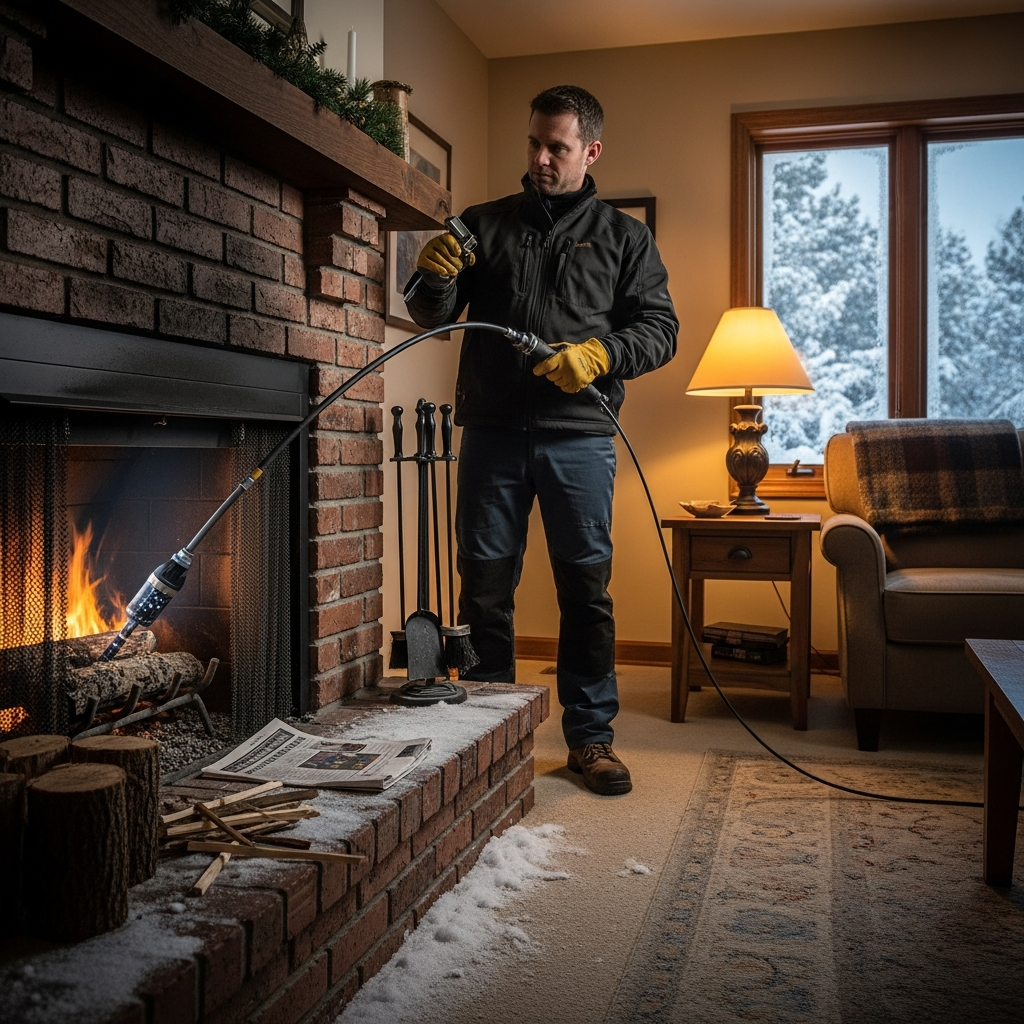
Every Denver winter writes its own story. Some years we glide from fall into a soft stretch of powder days and clear blue skies. Other years, an Arctic push drops in overnight and your fireplace becomes the most reliable friend in the house. No matter what the forecast says, a smart winter begins with a clear, efficient chimney. The combination of inspection and cleaning is your tune-up, the same way you prepare skis or service a furnace. In this guide, I’ll walk you through how we plan and execute winter-ready service in Denver—what we look for, how we adapt to sudden weather shifts, and the little adjustments that make your home warmer and safer. Along the way, I’ll show how strategic chimney cleaning fits into the rhythm of a season spent chasing comfort and calm.
Why Winter Demands Special Attention
Cold air is dense, and that density challenges draft on startup. If your flue is cold, smoke can hesitate in the firebox before it rises. That’s why we talk about priming the flue—warming it gently with kindling or a small starter fire so the first rush of smoke finds a welcoming path. In Denver, our daytime sun can fool you; a bright afternoon can give way to a sharp, clear night that robs heat quickly from masonry and metal. Winter inspection and cleaning are about acknowledging those realities and setting the system up to perform even when the thermometer plunges.
What a Winter Inspection Covers
We begin on the roof if conditions allow. The cap must be secure and free of nests or leaf matting that built up during fall. Screens should be intact, crowns free of open cracks, and flashing snug against brick or chase. Wind can loosen screws at the top assembly, and freeze-thaw can pry at small weaknesses. A careful look now prevents headaches on the first big burn week of the season. Indoors, we examine the firebox, damper, and smoke chamber, then scope the liner if symptoms suggest hidden concerns. We’re looking for residue character—powder, sticky soot, or something harder—and we tailor the cleaning approach accordingly.
Cleaning for Performance in Cold Weather
Winter-focused cleaning emphasizes airflow. Removing deposits is just the start; we also make sure nothing hinders the rise of warm air or lets cold air fall. Fine ash around the smoke shelf gets special attention, as does any area where residue glazes, which is more resistant to removal and more likely when fires are cool and slow. On metal liners, we choose brush materials that protect surfaces while clearing deposits thoroughly. The goal is a flue that invites air upwards with minimal resistance, cutting down on smoke spillage and letting fires take hold with less coaxing.
Snow, Ice, and Sensible Timing
We all love a fresh Denver snow, but it adds complexity to roof work. A safety-first plan might shift the order of operations—interior inspection and cleaning first, then a return to the roof when slick spots melt. On north-facing slopes where the sun lingers less, we may use additional safety lines or change access routes. Trusted providers never rush a roof; they call audibles when needed and keep you informed. That patience reduces risk and ensures the exterior checks are as thorough as the interior work.
Draft Diagnostics You Can Feel
During inspection, we pay attention to how the house moves air. Tight homes trap warmth well, but that can starve a fireplace of makeup air. If you run a strong range hood or bath fan at the same time as the fireplace, you may see sluggish starts or a whiff of smoke in the room. We’ll test small adjustments—opening a nearby window during lighting, for example—to see how the system responds. These habits cost nothing and often transform performance in the dead of winter when you need it most.
Odor Control When Rooms Are Buttoned Up
Winter means closed windows, and that turns mild odors into persistent ones. A thorough cleaning reduces the source, but we also look at moisture and air pathways. Ash that lingers damp after a thaw can smell sour, and fine soot on the smoke shelf can telegraph a musty edge. Outside, leaf debris on the cap can trap smells that then drift down during high-pressure days. Tidy these components and the living room smells like wood and warmth, not last season’s soot.
Protecting Masonry from Freeze-Thaw
Porous brick and mortar absorb water. When temperatures dip below freezing, that trapped moisture expands, slowly widening hairline cracks. Over time, crowns and joints can open enough to let more water in—a loop that accelerates with each cold snap. Winter-ready service includes close attention to these details and measured suggestions for protective steps. When conditions and timing are right, professional sealing of crowns or subtle waterproofing of masonry can extend the life of the structure while preserving its character. The inspection informs what’s prudent now and what can safely wait.
Animal Intrusions Don’t Take the Season Off
Even in winter, birds and small mammals can nose around cozy spaces. A cap that shifted in fall wind may now invite curious visitors. We check screens for tampering and look for telltale signs—bits of nesting material, scuff marks, or droppings near the top. If we find evidence, we remove debris carefully and confirm that cap fit and fasteners are correct for your chimney and local wind patterns. Shoring up these defenses keeps winter quiet and odor-free.
Preparing Second Homes and Short-Term Rentals
Many Denverites split time between the city and the hills, and some manage short-term rentals. If the property sits idle, we recommend a late-fall inspection and cleaning to start the season fresh, plus a mid-winter check if guests use the fireplace heavily. Clear house notes help, too—simple guidance for lighting, damper operation, and glass care turns guests into good stewards and reduces emergency calls during storms. Consistency is your friend when you’re not there to supervise every fire.
Coordination with Other Winter Projects
Winter is also when homeowners tackle indoor updates: kitchen hoods, new windows, or air-sealing projects. Each upgrade changes how your house breathes. If you’re planning work that affects ventilation, loop your chimney pro into the conversation. Together, you can sequence installation and testing so the fireplace keeps performing. A quick post-project check confirms draft and keeps winter nights smooth and smoke-free.
Mid-Season Tune-Ups: Worth the Effort
If you burn most nights, a mid-season visit can reset performance. Signs include harder starts, darker glass, or a faint smoky note after a burn. In Denver’s fast-changing weather, rapid swings can deposit residue faster than expected. A brief return visit focuses on clearing new buildup, confirming cap and crown status after storms, and refreshing your operation tips for the coldest stretch ahead. It’s a small investment of time that pays back with reliability when you need it.
Documentation You Can Build On
Good records turn a one-time service into a long-term plan. Photos of the liner, crown, cap, and flashing provide a baseline you can compare season to season. Notes about residue type, draft behavior, and roof conditions guide future decisions—like when to schedule, how to adjust lighting technique, or which small upgrades would deliver the most benefit. Denver winters vary widely; solid documentation lets your chimney strategy adapt with facts, not guesswork.
Firewood Choices for a Smoother Season
Burning seasoned hardwood is the simplest way to keep residue manageable. Wood stored off the ground under cover burns hotter and cleaner than logs left open to late fall rains. In a pinch, avoid loading large, damp logs—those cool fires make sticky soot. Start small, let the flue warm, and build gradually. If you notice constant smoldering or a stubborn reluctance to draw, pause and reassess your wood and airflow before assuming a complex chimney fault. Often, smarter habits paired with a clean system resolve the issue.
Energy Efficiency Without Sacrificing Comfort
Fireplaces can be charming heat sources, but they interact with the rest of your home. If your aim is to keep warmth in, consider how dampers, glass doors, and even window coverings work together. After a cleaning, your technician may suggest simple adjustments to minimize heat loss on non-burning days. Each home is unique, and winter inspection is the right time to tailor these choices to your layout and lifestyle.
Halfway Through the Season: A Self-Check
Ask yourself how the system feels right now. Do fires start easily with minimal smoke? Does the room smell fresh the next morning? Do windy nights produce any unusual noises or odors? This quick self-check guides whether a mid-season visit is warranted. Keeping performance steady is easier than recovering from late-season surprises, and your notes help the technician zero in on the most relevant checks during the appointment. With well-timed chimney cleaning and eyes on small details, winter becomes simpler to enjoy.
Frequently Asked Questions for Winter Service
How early should I schedule for winter readiness?
Late summer through early fall is ideal for securing your preferred appointment, but don’t hesitate to book in winter if you notice symptoms. A thoughtful provider will adjust steps around weather to ensure safety and thoroughness, even after the first snowfall.
What if snow makes roof access unsafe?
Responsible crews will prioritize interior work and return to the roof when conditions improve. Safety comes first. You’ll receive clear communication and a plan to complete exterior checks as soon as it’s safe to do so.
Does a gas insert need winter inspection and cleaning?
Yes. While gas burns cleaner, vents can still accumulate byproducts, and components benefit from periodic checks. Winter service confirms performance and ensures no unexpected obstructions are present after windy weeks.
How can I reduce smoke spillage on cold starts?
Warm the flue gradually with kindling, open the damper fully, and, in very tight homes, crack a nearby window during lighting to supply makeup air. Dry, seasoned wood makes a noticeable difference on the coldest nights.
What are the top signs I need a mid-season visit?
Harder starts, rapid glass darkening, unusual odors after a thaw, or new sounds on windy nights all suggest it’s time to check in. Quick intervention preserves comfort and prevents small issues from compounding.
How do Denver’s winds affect winter fireplace performance?
Strong west and northwest winds can challenge draft and expose cap or flashing weaknesses. A well-fitted cap and sound flashing are your front-line defenses. Post-storm checks catch problems before they turn into leaks or persistent odors.
When winter is at its peak and comfort matters most, a clear, efficient chimney lets you settle in without fuss. If you want a team that plans around storms, communicates clearly, and treats your home with steady care, schedule your winter-ready chimney cleaning with Denver pros who know how to keep things warm, safe, and simple all season long.