When winter draws down the foothills and the city glows with porch lights and snow, Denver homes come alive around their fireplaces and stoves. The best chimney cleaning here is not just about shiny equipment or a quick sweep; it’s about a thoughtful, local approach that respects altitude, architecture, and weather. From early 20th-century brick chimneys in Congress Park to modern metal systems in Central Park, a top-tier service understands how each system behaves when the air is thin and the temperature swings from a bright, sunny afternoon to a cold night. Before you set that first match, it’s worth investing in professional chimney cleaning that prepares your home for safe, dependable fires all season long.
Denver’s elevation is a quiet character in every good winter fire. Thin air changes draft and makes cold starts trickier. On still nights, a column of cold air can settle in the flue, resisting the first smoke that rises. Winds can ricochet off roofs and gables, nudging those early puffs back into the room. The best technicians in the city anticipate these behaviors. They understand how to prime a reluctant flue, how to read the soot patterns that reveal turbulence in the smoke chamber, and how to evaluate caps and crowns for performance under our specific conditions.
What makes a service “the best” in Denver
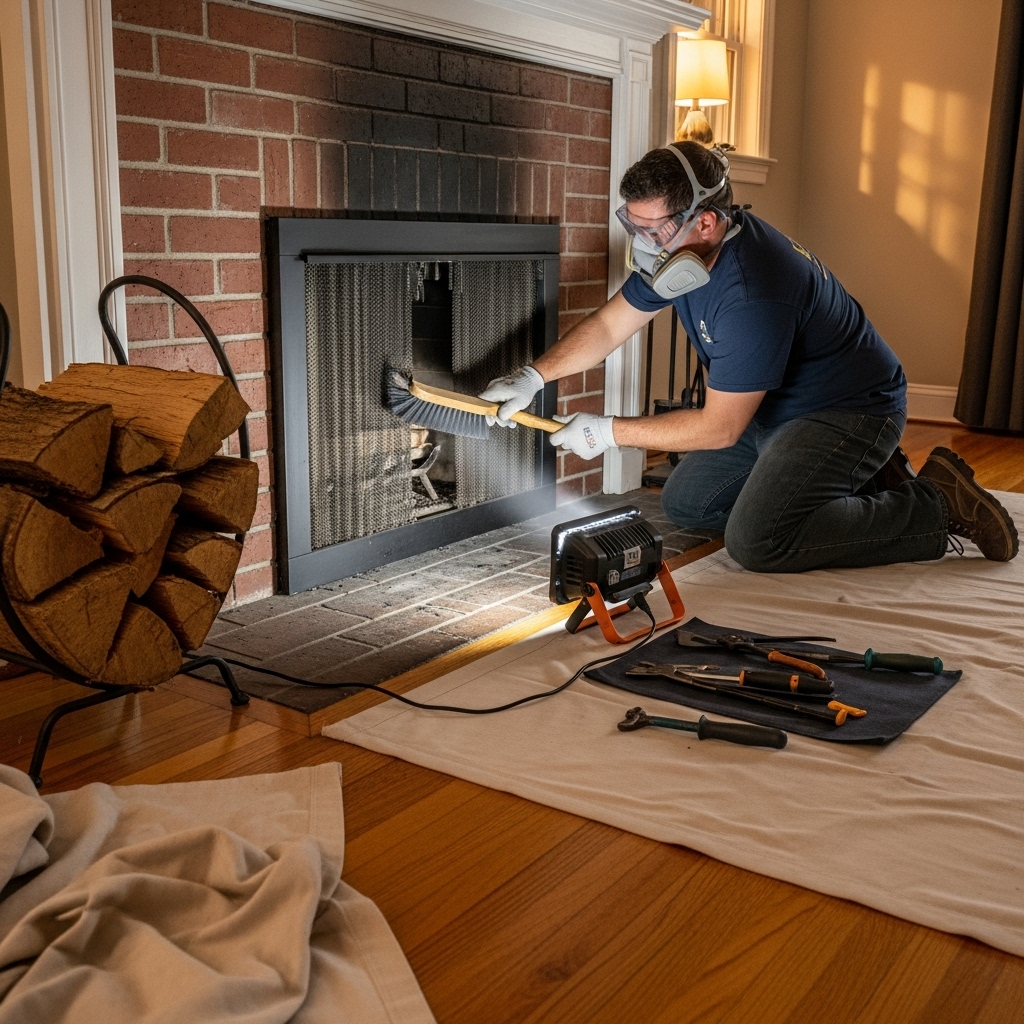
Excellence starts with safety and ends with clarity. The best teams arrive with containment strategies that protect hardwoods and rugs, HEPA-grade filtration that traps fine soot, and a disciplined sequence that leaves no part of the system unchecked. Just as important is the way they speak about your chimney: they translate what they see into plain language, outline options, and propose practical steps that fit your home and your habits. A clear explanation is as valuable as the cleaning itself because it helps you build better fires and stay ahead of small issues.
Local familiarity is another hallmark. Denver’s neighborhoods vary in roof pitches, alley access, and typical system types. A team that has worked on the steep bungalows of West Highlands, the tall stacks of Park Hill, and the compact chimneys of row homes near downtown brings an efficiency that others cannot. They know when a morning appointment is best to avoid gusts, how to protect interiors when snow is sloughing off a roof, and how to stage equipment in tight spaces without disrupting your day.
Safety as a practice, not just a result
Clean chimneys support safe fires, but safety begins before a brush touches the flue. The best providers lay out protective coverings, confirm system type, and verify that dampers and access points operate as expected. They watch for evidence of wildlife, assess whether deposits are powdery or glazed, and select tools that match the liner material. In older masonry, that means gentle attention to clay tiles and joints; in factory-built systems, properly sized poly brushes and flexible rods ensure effective contact without undue wear.
Attention continues at the top. A secure, well-designed cap guards against both weather and wildlife while promoting stable draft in wind. Crowns are checked for cracks that could introduce water, and flashing is given a quick review to ensure that melting snow won’t find its way inside. These roof-level details are especially important along the Front Range, where freeze-thaw cycles can be dramatic over a single week.
How altitude influences best practices
At elevation, a clean flue is only part of the story. Burn technique matters more here than at sea level. The best Denver pros suggest methods that warm the chimney quickly, like top-down fires that encourage early, hot combustion and establish draft without smoke rollouts. They’ll talk about wood selection and storage, noting that even “dry” wood can pick up moisture during spring storms if it sits directly on the ground or under a tarp that traps humidity. Keeping fuel truly seasoned is one of the simplest ways to keep deposit levels modest.
They’ll also help you spot telltale signs that altitude is influencing performance: a fireplace that behaves better when a nearby window is open, a faint smell on sunny days when downdrafts are more common, or a cap that occasionally rattles as gusts funnel down the block. Understanding these patterns empowers you to make small adjustments that have big effects on comfort.
The cleaning process, step by step
A best-in-class visit follows a reliable progression. Inside, the hearth area is prepared, fragile items are protected, and the system is identified. Rods and brushes are selected to match the flue, and high-efficiency vacuums draw soot safely away. The smoke chamber and firebox are brushed, dampers exercised, and visible sections of the liner observed for concerns. Outside or on the roof, the cap and crown are reviewed, and the flue is accessed from the top if that approach suits the system. Finally, findings are explained with photos or clear descriptions so you understand exactly what was done and why it matters.
Throughout, the focus is on leaving your home as clean as it was before the appointment and your system in ready shape. This disciplined process is the foundation of safety and the hallmark of the best chimney care in Denver.
Choosing the right partner for your home
Look for signs of professionalism that matter in our city: familiarity with local housing styles, thoughtful scheduling around wind and weather, and an emphasis on education. Ask how the team protects interiors, what tools they use for different liner materials, and how they handle access in tight urban spaces. The answers will tell you whether you’re speaking to a group that treats your home like their own.
Communication is the final ingredient. When a technician invites your questions, encourages you to describe your burn habits, and offers tailored tips, you’re getting more than a cleaning. You’re getting a partner in home comfort who will help you enjoy winter without worry.
When to schedule in Denver
Late summer through early fall is a sweet spot for many households. Roofs are dry, the weather predictable, and you can step into the first cold snap ready to enjoy your fireplace. If your family burns often, consider a mid-season check to ensure that deposit levels stay where you want them. After a string of especially cold nights or a period of strong winds, a quick look at the cap and draft performance can confirm everything is still in good order.
Condos and townhomes benefit from early coordination with building management. Secure roof access, elevator use for equipment, and quiet-hour rules are easiest to align before the winter rush. The best teams are comfortable working with building contacts to make the day straightforward.
Frequently Asked Questions
How do I know I’m choosing a high-quality service?
Look for clear explanations, careful protection of your home, and an approach that matches your system type. Local experience matters—teams who work across Denver’s neighborhoods understand how altitude and wind affect performance and plan accordingly.
Is chimney cleaning messy or disruptive?
Handled well, it should be neither. Professionals use containment and high-efficiency vacuums to capture soot and keep furnishings clean. The work zone is isolated, and at the end of the visit your space should look as it did before, with a flue that’s ready for safe fires.
Do gas fireplaces need cleaning?
Gas systems have different needs, but vents and components still benefit from periodic checks. Confirming clear exhaust paths and proper operation supports safe, reliable performance through the season.
What special concerns does altitude introduce?
Draft can be stubborn on cold starts and winds can provoke downdrafts. A well-matched cap, good burn technique, and a clean flue all work together to stabilize performance. A local pro can show you simple steps to make starts smoother and fires cleaner.
Can I handle maintenance myself?
You can keep the firebox tidy and check from the ground that the cap appears secure. Full service is best left to professionals with proper tools, training, and safety practices, especially since roof work and fine soot containment can be tricky.
How often should I schedule a visit?
Your rhythm should reflect your usage. Many households plan an annual appointment before winter. Heavy users and wood-stove owners sometimes opt for a mid-season check, while gas-only users often follow an inspection schedule tailored to the appliance.
What if I notice smoke in the room after lighting?
Occasional whiffs can happen in windy conditions. If it’s frequent, talk to a professional about cap design, flue warming techniques, and room air balance. Small adjustments often solve the issue, particularly at our elevation.
Set your season up for safe, easy fires
Give your home the confidence it deserves before the snow stacks up. Schedule expert chimney cleaning with a Denver team that treats safety, cleanliness, and clear communication as non-negotiables. You’ll enjoy the crackle and warmth without the worry, all winter long.