Scheduling chimney cleaning and inspection in Denver should feel straightforward, predictable, and respectful of your home. Still, many homeowners are unsure what the process involves or how long it will take. When you know what to expect, the whole experience becomes simpler—and you can focus on what matters most: a safe, comfortable fireplace that works beautifully through our crisp, high-altitude evenings.
The visit typically begins with a conversation. Your technician will ask how your fireplace or stove has been behaving, what fuel you use, and how often you burn. If you have noticed smoke, odor, or draft quirks, now is the time to share them. That context allows the crew to tailor the approach to your system and to our local conditions, where altitude, dry air, and gusty afternoons can all influence performance. It also reveals details about access and protection inside the home so your living room stays spotless.
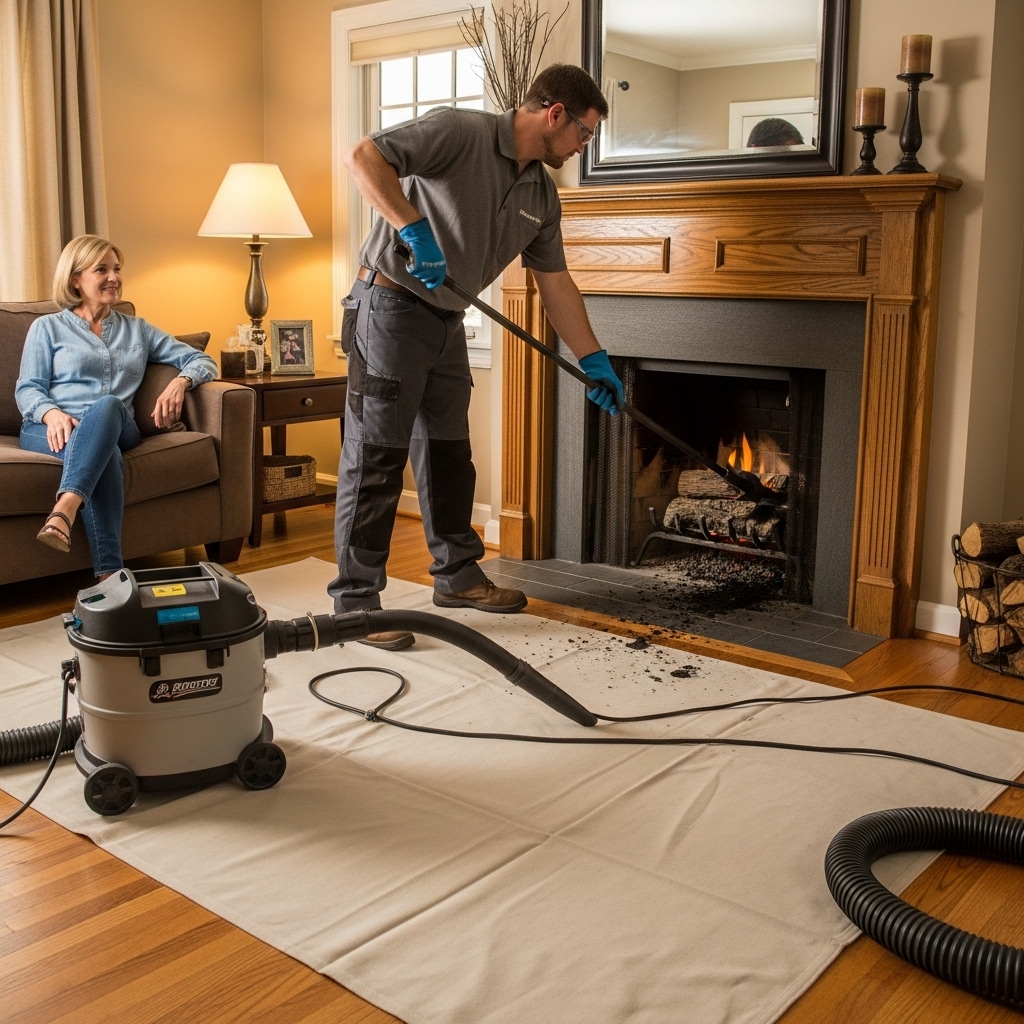
Preparation is meticulous. Drop cloths and protective coverings go down before any tools come out. High-efficiency vacuums run throughout the process to maintain indoor air quality while soot and ash are dislodged. Because Denver’s dry air can make dust float easily, containment is critical. A careful team will also plan roof access, accounting for steep pitches, snow guards, metal surfaces, or nearby solar arrays. Safety and property protection come first; if conditions make rooftop work unsafe that day, a reputable company will reschedule that portion rather than take risks.
Inspection starts with the basics. The firebox is examined for cracks, gaps, and wear. The damper is tested for smooth operation and full closure. The smoke chamber is assessed for roughness or gaps that could increase turbulence and encourage deposit formation. Depending on your system, the technician may proceed with a camera to view the flue interior, documenting the condition of clay tiles or stainless steel liner walls. This visual record becomes a valuable baseline you can reference in future years.
Cleaning itself is methodical. Brushes are matched to the flue’s material and diameter, and flexible rods guide them through any offsets. As deposits are loosened, they are captured by vacuum so they do not drift into your living space. The goal is to leave a clear, obstruction-free path for exhaust while minimizing disruption in your home. For systems with stubborn, glazed buildup, your technician will explain what steps are appropriate and how they will maintain safety and cleanliness throughout.
Denver’s environment influences every step. Our thin air changes draft, and windy afternoons can create downdrafts along certain rooflines. Seasoned local pros understand how cap design, chimney height relative to nearby structures, and airflow inside tightly sealed homes all interact. Sometimes a simple adjustment—warming the flue before a fire or cracking a nearby window during startup—solves a nagging issue. Other times, minor component changes like a different cap style improve stability when the winds pick up.
Documentation is a hallmark of professionalism. As the appointment wraps up, you should receive a clear summary of findings. Photographs of the flue, cap, crown, and flashing provide transparency. Notes explain any maintenance recommendations, prioritized by urgency and impact. If everything looks great, the report will say so and suggest a sensible schedule for the next check. If something warrants attention, you will understand why and what your options are.
Homeowners often ask about timing. Most standard visits fit comfortably within a morning or afternoon, though complex access or heavy deposits may extend the window. Your technician will set expectations at booking and update you if conditions change. What matters most is that the team does not rush the essentials—protection of your home, thorough cleaning, and careful inspection.
Another common question is about fuel types. Wood-burning fireplaces produce different residues than gas or pellet units. Gas burns cleaner but still requires vent inspection and component care. Pellet appliances create fine ash that can migrate into spaces where it may affect draft. A knowledgeable technician will tailor the cleaning to your specific appliance and offer usage tips that reduce buildup between visits.
For homeowners who prefer to plan ahead, spring is a great time to schedule. You catch any winter wear promptly, and technicians can evaluate moisture-related effects before summer sun bakes masonry surfaces. Early fall also works well if you want a fresh start before first fires. What matters is consistency: a regular cadence keeps surprises to a minimum and ensures your system performs well when you need it.
As for what you can do before the appointment, a little preparation goes a long way. Clear a few feet around the hearth for tools and tarps. Move delicate items and consider rolling up rugs near the work area. If you have questions about pets, parking, or roof access, mention them in advance so the crew can plan accordingly. Those small steps speed the visit and protect your home.
Ultimately, the purpose of cleaning and inspection is peace of mind. You want to know that the flue is clear, the system is drafting properly, and any emerging issues are spotted early. When a visit ends with a tidy living room and a confident explanation of your chimney’s health, you feel ready for the season.
If you are gathering information or preparing to book, it can help to review best practices for chimney cleaning so you recognize a thorough, well-organized process when you see it. Those standards are the foundation of a predictable, high-quality experience from start to finish.
Frequently asked questions about cleaning and inspection in Denver
How often should I schedule chimney cleaning? Many Denver households benefit from annual cleaning and inspection, especially if they burn regularly during winter. Light-use systems may extend intervals with professional guidance, but a yearly look provides a dependable baseline.
Will the visit make a mess inside my home? With proper containment, drop cloths, and high-efficiency vacuums, a conscientious team will keep your home clean. When they leave, the workspace should look as tidy as when they arrived.
Do gas fireplaces need cleaning and inspection? Yes. Gas appliances burn cleaner than wood but still require venting checks and component maintenance. Regular attention ensures safe, reliable operation.
What happens if weather prevents rooftop work? Safety comes first. If wind, ice, or storms make the roof unsafe, reputable pros will complete the interior portion and reschedule roof work promptly.
How long does an appointment take? Many visits fit within a morning or afternoon. The technician will provide an estimated window based on your system’s complexity and access conditions.
What should I do to prepare? Clear the area around the hearth, secure pets, and mention any access considerations in advance. If you have special flooring or furnishings, talk to the team about protection so they can plan coverings.
Can cleaning solve smoke or odor problems? Often, yes. Removing deposits and obstructions helps, and technicians can also advise on draft management, cap styles, and usage habits that reduce smoky starts or lingering odors.
Is a camera inspection always necessary? Not in every case. Technicians use cameras when they need to document conditions or investigate concerns. They will explain when it is appropriate and share images so you can see what they see.
Do pellet or wood stoves require different care? They do. Each appliance type has its own maintenance patterns. A knowledgeable pro will tailor cleaning to your unit and offer tips to keep performance consistent between visits.
If you want a visit that respects your home and delivers the clarity you need to enjoy your hearth, schedule with a Denver team grounded in communication, safety, and thoroughness. Book professional chimney cleaning and inspection today so your fireplace is ready for every clear, star-filled night along the Front Range.