Keeping a Denver home comfortable through every season means tending to the quiet systems that make warmth feel effortless. Your chimney is one of those systems—often out of sight, always essential. After years of climbing roofs from Park Hill to Lakewood, I’ve learned that the best results come from a blend of consistent maintenance and thoughtful operation. In this long-form guide, I’ll share how to think about the chimney as part of your home’s bigger ecosystem, what everyday habits extend its life, and which professional steps keep performance steady. If you approach chimney cleaning as an ongoing conversation with your house, you’ll enjoy reliable fires and fewer surprises, year after year.
The Chimney as a System, Not a Standalone Feature
It’s easy to look at a chimney as a vertical pipe that either works or doesn’t. In reality, it’s part of a network that includes the firebox, damper, liner, cap, crown, flashing, and the air that circulates through your rooms. Denver’s dry climate and big temperature swings add variables: heated air rises quickly, but cold night air can stall draft if the flue is chilly. Moisture from a thaw can sneak into small masonry cracks and freeze later, subtly widening gaps. Maintenance that accounts for these factors keeps the system stable, predictable, and ready for a long winter.
Everyday Habits That Pay Off
Small routines reduce residue and help draft. Store wood off the ground under cover so it dries thoroughly. Start fires with kindling and patience; let the flue warm before adding large logs. Open the damper fully and confirm it moves freely. If your home is tightly sealed, crack a window near the fireplace while lighting to supply makeup air. After each burn, remove excess ash but leave a thin layer to help the next start. These simple steps don’t cost anything, yet they dramatically reduce the likelihood of smoky rooms, stubborn fires, or fast-creeping soot.
Reading Residue: What Your Flue Tells You
Residue character speaks volumes. Powdery soot suggests hot, efficient fires. Sticky or tar-like deposits point to cooler burns or damp wood. A harder, glossy surface hints at advanced buildup that’s more difficult to remove and may require a careful, staged approach. Noting these patterns between professional visits helps you time service intelligently. If you see flakes or smell sharp, sour notes when you open the damper, it’s time to check in with a pro and reset the system before winter’s heaviest use.
The Role of the Cap and Crown
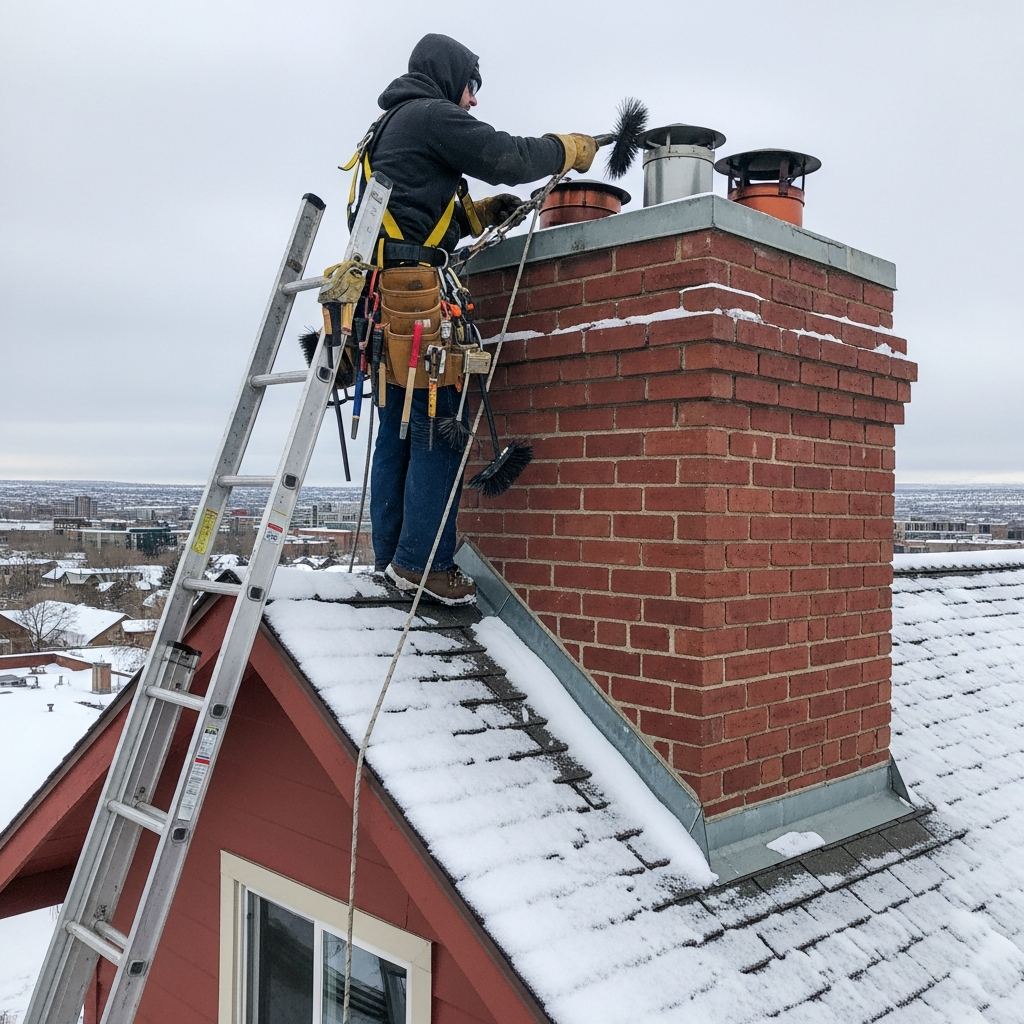
Your cap and crown are quiet guardians. The cap keeps out rain, snow, and wildlife while shaping airflow at the top of the stack. The crown sheds water away from masonry, protecting the liner and chimney body below. Denver winds tug at fasteners and test cap design; freeze-thaw pokes at crown micro-cracks. A quick glance from the yard after a storm can reveal a tilted cap or unusual staining beneath the chase—clues that deserve attention before the next cold snap. During maintenance visits, we verify cap fit, screen condition, and crown integrity so the weather can do its worst without getting inside.
Flashing: The Overlooked Leak Point
Where chimney meets roof, flashing does the critical work of keeping meltwater out of walls and ceilings. Over time, sealants dry and metal lifts, especially when wind-driven snow piles against the uphill side of a chimney. Spotting a small gap and addressing it early prevents subtle stains and the musty odors that follow. A thorough maintenance plan includes a quick look at flashing during roof checks, especially after heavy snow or spring windstorms.
Gas, Wood, and Pellet: Different Paths to Warmth
Denver homes use a mix of appliances. Open wood fireplaces deliver ambiance and real heat in the right conditions. Stoves and inserts concentrate that heat and alter how ash accumulates. Pellet systems add mechanical components and vents that need seasonal attention to keep feeds smooth and exhaust clear. Gas units, while cleaner, still rely on intact venting and proper airflow. Each fuel path changes maintenance priorities, and a good plan matches your appliance to the right checks and timing rather than applying a one-size-fits-all schedule.
When to Schedule and Why Rhythm Matters
Plan major service before the season—late summer or early fall—so you start clean. If you burn often, pencil in a mid-season check to reset performance when temperatures bottom out. Spring is a productive time to address exterior care like crown sealing or masonry touch-ups because materials cure well in warm, dry air. By setting this rhythm, you avoid last-minute scrambles when the first cold snap hits and everyone in Denver calls on the same day.
Indoor Air and Dust Control
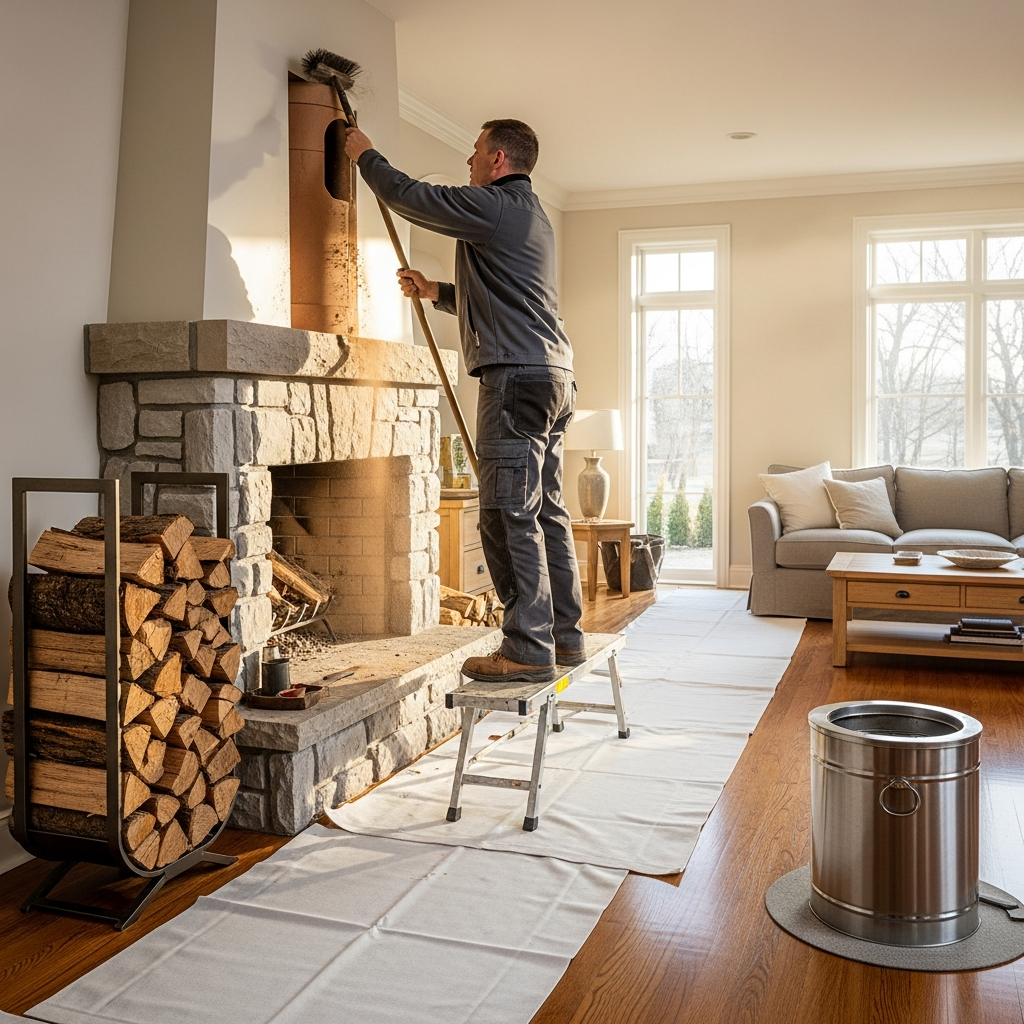
Our dry climate encourages fine dust to travel the moment it’s disturbed. During professional service, expect containment: drop cloths, runners, and vacuums with strong filtration. At home, simple habits help, too. Empty ash gently, and consider using a closed metal container kept outside, away from combustible materials. If your living room gathers dust easily, run a portable air cleaner during and after fires to keep the space fresh. These are small touches that protect furniture, fabrics, and lungs.
Moisture, Odors, and Warm-Weather Surprises
Summer isn’t kind to neglected soot. Heat draws odors out of porous material, and humidity after thunderstorms can activate musty notes. A late spring or early summer clean prevents these issues and keeps the fireplace from becoming a source of stale air. If you detect a persistent odor during a heat wave, consider whether leaf debris has collected on the cap or whether a recent storm might have nudged a screen loose. Quick checks—paired with good records—make it easy to locate the cause.
Records that Turn Observations into Plans
Good maintenance rests on documentation. Photos of the liner, crown, cap, and flashing build a baseline. Notes about residue type and draft behavior guide decisions about fire-starting technique or fuel. Over a few seasons, you’ll see patterns that let you plan with precision. If you change windows, add a range hood, or adjust insulation, share those updates with your technician—the way your house breathes will change, and that matters at the hearth.
What to Expect on Service Day
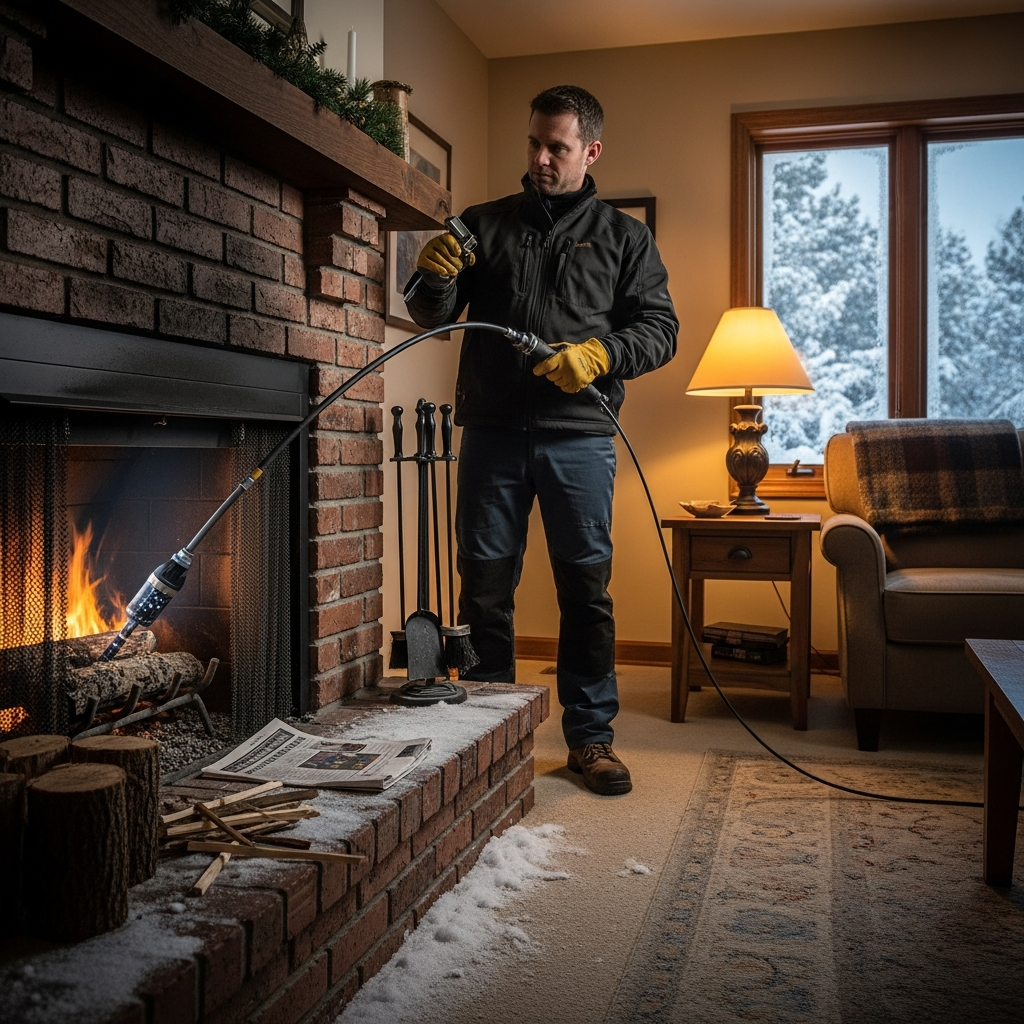
Expect courtesy, clear explanations, and steady, careful work. We start with an inspection, explain what we see, and outline the steps ahead. Brushes and vacuums are matched to your system, and indoor air protection is set before any soot is disturbed. On the roof, we move deliberately, watching weather and footing. The day ends with photos, findings in plain language, and practical tips you can put to use immediately. You should feel informed and never rushed.
Denver Wind and Draft Management
Chinook-like winds tumble off the mountains and challenge even well-tuned chimneys. If you experience odors or smoke on gusty nights, the cap might need adjustment or an upgrade designed to blunt downdrafts. Inside, simple airflow tweaks—opening a nearby window during lighting in tight homes—often solve the problem. Maintenance is as much about understanding behavior as it is about cleaning residue. When provider and homeowner act as partners, draft problems become puzzles to solve, not frustrations to endure.
Second Homes and Rentals: Plan Ahead
If you split time between properties or host guests, consistency matters. Establish a baseline cleaning and a mid-season check during high-use periods. Leave concise house notes with lighting instructions and damper positions. These steps protect the chimney when you’re not there to supervise each fire and reduce emergency calls after storms or cold snaps. A well-timed visit before the busy season sets expectations and protects your investment.
Halfway Through the Season: Tune Your Approach
Pause in midwinter and ask how the system feels. Are fires easy to start? Is there any lingering odor in the morning? Has glass on inserts begun to cloud faster? Your answers guide whether to call for a touch-up or simply adjust technique and fuel selection. This self-check keeps the maintenance plan nimble, responding to real conditions rather than rigid calendars. A small, well-placed mid-season visit can return performance to peak and make the rest of winter glide by smoothly.
Frequently Asked Questions for Denver Homeowners
How often should I schedule professional service?
Base timing on actual use and appliance type. Many households plan a thorough annual visit before winter, adding a mid-season check if the fireplace anchors daily life. Gas and pellet systems also benefit from periodic inspections to confirm clear venting and reliable components.
What are early signs my chimney needs attention?
Hard starts, smoke spillage, sour or musty odors after damp weather, and a damper that resists movement are all cues. On the exterior, a crooked cap, flashing stains, or debris buildup beneath the chase deserve a closer look.
Is a camera inspection necessary every time?
Not always. Cameras are most helpful when symptoms and visible residue disagree or when we suspect damage in offsets or joints. Used thoughtfully, they guide precise, minimally invasive solutions.
Can I handle any maintenance myself?
Homeowners can manage daily operation, ash handling, and quick visual checks from the yard. For liner cleaning and roof work, professional tools and safety practices make a difference. If you want to learn, ask your technician to walk you through basic observations so you can monitor conditions confidently between visits.
Does a cap really matter in Denver?
Absolutely. Our wind and seasonal debris test caps constantly. A well-fitted cap blocks rain, snow, animals, and downdrafts, protecting both draft and interior finishes. During maintenance, verifying cap integrity is a must.
What about moisture protection for masonry?
Porous materials absorb water that expands when frozen. Thoughtful sealing and crown care, timed for warm, dry weather, extend the life of masonry without altering its appearance. Your technician will recommend steps based on actual conditions, not a one-size-fits-all script.
If you want fewer surprises and a fireplace that just works, season after season, partner with a local team that treats maintenance as a shared craft. Schedule your next chimney cleaning with Denver professionals who respect your home, explain each step, and leave you with a system ready for whatever the weather decides to do next.