If you have lived through even one cold season along the Front Range, you know how much your fireplace becomes the heart of your Denver home. You also know that sooner or later someone in the family will ask what it actually takes to keep that chimney safe, clean, and drawing properly. As a longtime local technician, I hear that question every fall and spring, and it often comes wrapped in another: what do homeowners really pay here, and why do different properties seem to require different approaches? While I won’t discuss specific numbers, I will walk you through the true, on-the-ground factors that shape value and expectations in Denver, and how to recognize quality work when you see it. If you understand the anatomy of your flue, the fuel you burn, and the rhythm of our mountain-influenced weather, you’ll be in a far better position to make informed, confident decisions about chimney cleaning and long-term upkeep without surprises.
Why Denver’s Climate Changes the Conversation
Denver’s climate is famously sunny, with quick swings between warm afternoons and frosty nights. That variability affects draft, moisture, and the rate at which residue builds inside a flue. When we get a run of cold evenings, homeowners burn more frequently, often switching wood types as stockpiles run low. That shift in fuel can change the character of creosote from powdery to sticky in a matter of days. Meanwhile, our dry air during the day and sudden temperature drops after sunset create expansion and contraction in masonry. Tiny cracks that don’t look like much can change how the flue pulls air, and those subtle draft issues encourage more soot to cling to the liner. Understanding these Denver-specific dynamics helps you interpret why services can vary from one home to the next even in the same neighborhood.
Chimney Types and Why They Matter
Not all chimneys are built alike. In older Denver neighborhoods—Capitol Hill, Baker, and parts of Highland—you’ll see classic masonry chimneys with clay liners and variable crown conditions. Masonry can be robust, but when mortar ages or crowns wear, water and freeze-thaw cycles become part of the maintenance calculus. In newer builds around Green Valley Ranch or Stapleton, you’re more likely to find factory-built systems with metal liners. These systems behave differently under heat and tend to reveal issues through discoloration, rattles, or visible staining on adjacent siding. The type of chimney you own dictates the cleaning techniques used, the tools required, and the time a careful technician allocates to move from initial inspection to final polish. It also influences the follow-up recommendations, like crown sealants, cap upgrades, or gentle waterproofing for porous brick.
The Fuel You Burn Shapes the Work
Homeowners often underestimate how much fuel choice dictates maintenance. A gas insert produces different byproducts than a wood stove, and seasoned hardwood is not the same as softwood scavenged after a storm. In Denver, we sometimes see people switch fuels mid-winter, especially if their primary stash runs low. That’s understandable, but it changes residue character and volume. Powdery soot from efficient hardwood burning responds quickly to soft-brushing and vacuuming. Sticky, tar-like creosote from cooler fires or softwood requires time, technique, and sometimes a step-wise approach that prioritizes safety over speed. If your home uses a pellet appliance, fines and ash management become central, and the work involves checking feed systems along with the vent. Each of these scenarios affects scope, and smart homeowners plan their appointments around realistic expectations for their specific fuel patterns.
Access, Height, and Safety in the Mile High City
Access is one of the most underestimated factors. A one-story ranch in Harvey Park with a wide, walkable roof is a different day at work than a steep, snow-shedding roof in Sloan’s Lake with limited anchor points. Chimney height changes how technicians stage ladders and safety lines, and the presence of nearby electrical lines, trees, or solar panels may require protective steps before the first brush ever touches the flue. When we prepare for a job, we assess access routes from driveway to hearth and from ridge to crown. In winter or after a storm, we factor in melt patterns, slick shingles, and freezing shadows on north-facing slopes. All of this is part of a responsible plan that keeps people and property safe, and it’s one reason you’ll see variations in the time and attention given to different homes even when the fireplaces look similar from the living room.
What a Thorough Service Visit Looks Like
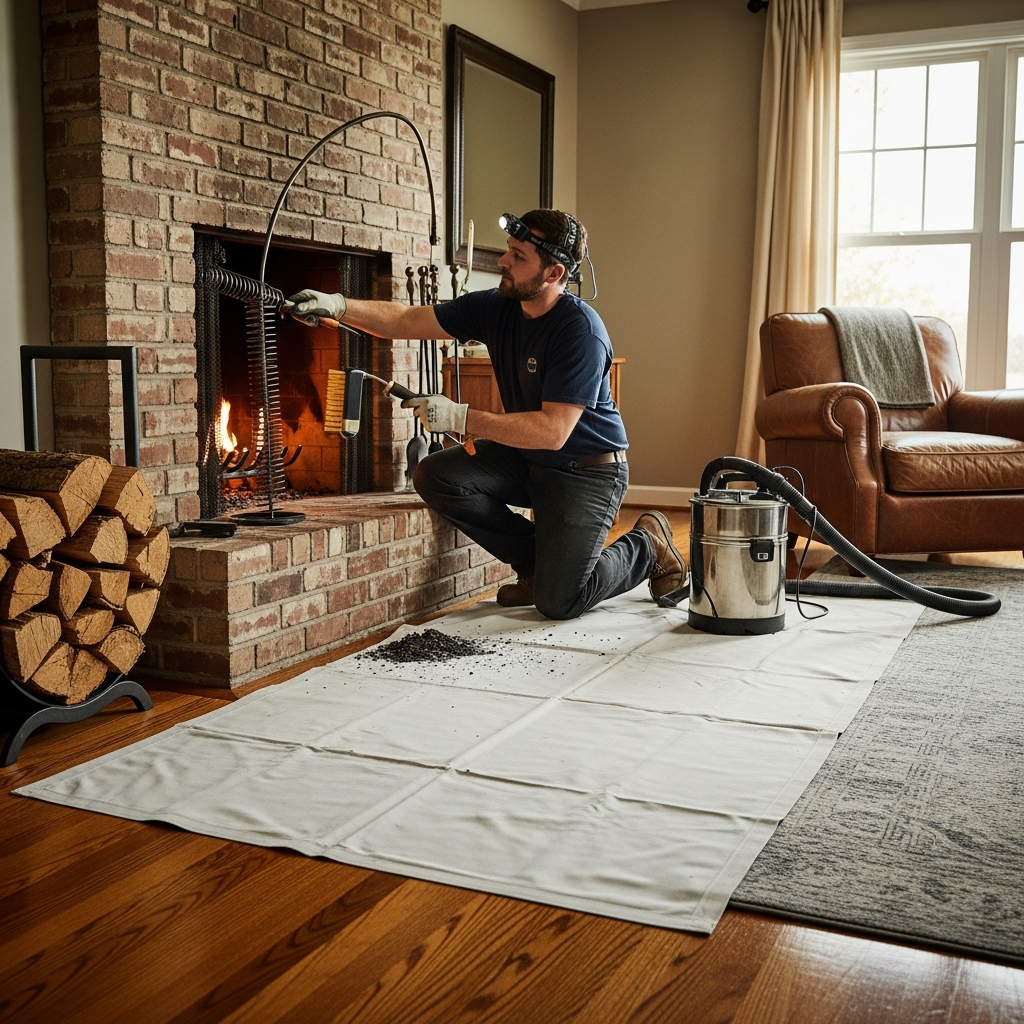
Regardless of property type, a strong process always starts with a visual inspection. Inside, that means confirming clearances around the hearth, checking damper operation, and gauging residue by texture and thickness. Outside, we review the cap, crown, flashing, brick or siding transitions, and any signs of animal activity. Once we establish a baseline, we select the appropriate brushes—poly for some metal liners, wire for masonry depending on condition—and pair those with vacuums equipped with fine filtration to protect indoor air. Skilled sweeps adapt as they work; a brittle patch of creosote might respond to gentle brushing at first, then require a different technique to remove safely without damaging the liner. Documentation matters too. Clear notes, photographs, and measured observations allow homeowners to compare year-over-year conditions and see trends, which is invaluable in a city where winters never play out exactly the same way twice.
How Scheduling Windows Influence Expectations
Denver’s service calendars have their rhythms. Early fall brings a rush as nights cool and everyone thinks ahead to the holidays. That rush can compress scheduling windows and make last-minute bookings more challenging. Late winter and early spring open up, and it’s a great time to address soot and creosote before summertime heat bakes odors into porous materials. Summer is quieter but ideal for exterior repairs and crown work because materials cure well in warm, dry air. Flexible timing often comes with the benefit of longer appointment windows, which means more time for nuanced questions and tailored guidance. Planning ahead is especially helpful for second homes up in the foothills, where weather and access can turn on a dime and we need a backup plan to keep the day productive and safe.
Denver-Specific Concerns: Smoke, Ash, and Air Quality
Wildfire smoke from regional events sometimes drifts into the metro area, changing odor profiles and depositing fine particulates on caps and screens. Even if your fireplace has been idle, those particulates can cling and later mix with moisture, producing musty smells. During high-smoke periods, homes with negative pressure—often the result of powerful kitchen exhaust systems or tightly sealed windows—may experience backdrafting that pulls odor down the flue. A thoughtful cleaning paired with ventilation coaching can tame that issue. We often recommend testing simple lifestyle adjustments before suggesting any permanent equipment changes. These Denver realities rarely make it into glossy brochures, yet they matter on every service call because they influence how a home behaves once fires are burning again.
Common Add-Ons and When They Make Sense
From time to time, a routine cleaning reveals opportunities to improve performance and longevity. A warped or rusted cap allows moisture and animals in. A cracked crown invites freeze-thaw damage. Flashing that’s starting to open can channel water into walls where it quietly causes trouble. Addressing these findings isn’t about extras for the sake of extras; it’s about removing the root causes of smoky rooms, persistent odors, and draft inconsistencies. In historic neighborhoods, we pay close attention to masonry preservation so that any recommended work respects the original look while protecting the structure. In newer developments, upgrades sometimes center on better tops or improved chase sealing to minimize wind-driven rain. Each recommendation should be tied to an observed condition and a clear benefit you can understand without jargon.
What Homeowners Can Do Between Appointments
A clean, efficient chimney begins with thoughtful daily habits. Burn seasoned wood that has been split and stored off the ground under cover, and resist the urge to use construction scraps or trash. Open the damper fully before lighting a fire and let the flue warm gently with kindling before adding larger splits. Watch your fire’s behavior—lazy, rolling smoke inside the firebox is a clue that draft is struggling and deposits are accumulating faster than they should. After the fire, remove excess ash but leave a thin layer to make starting the next fire easier. Keep an eye on the cap from the yard; if you see heavy staining or signs of nesting birds, it is time for a check-in. These small actions stretch the value of every professional visit.
How to Read Recommendations Without Worry
When a technician suggests follow-up work, ask them to connect the dots: what they observed, why it matters for safety or performance, and how the proposed step addresses the issue. Good providers will show photos and explain options, including what can safely wait. In Denver, where sun and freeze-thaw work together on masonry, you might hear about waterproofing or crown sealing as preventive steps. That kind of guidance is meant to stay ahead of weather, not to upsell for its own sake. Pay attention to the language your provider uses; clear, straightforward explanations are a hallmark of professionals who value long-term relationships. If your chimney is part of a shared structure, like a townhome stack, ask about coordination with neighbors so that solutions are consistent and durable across property lines.
How Often to Schedule and Why It Varies
Usage patterns dictate ideal scheduling. A family that burns three nights a week every winter creates a different residue profile than someone who lights a handful of holiday fires. Gas appliances, while often cleaner, still benefit from periodic checks for venting integrity, blockages, and component wear. In higher-elevation homes or those exposed to consistent wind, draft patterns change seasonally, and a late-season visit can be useful to reset the system before summer dormancy. The point isn’t to force a uniform timetable; it’s to observe your home’s behavior and align service with reality. When you choose a provider who keeps records and shares them, you’ll build a picture over time that makes future decisions straightforward.
Credentials, Insurance, and Local Know-How
In an industry where the work happens out of sight inside walls and above the roofline, trust matters. Look for technicians who can speak to national standards, who are insured for roofing work, and who know Denver’s neighborhoods well enough to anticipate access hurdles before the ladder is out of the truck. On older brick chimneys, ask how they protect liners during tougher cleanings. On newer systems, ask about the right brush materials. The goal isn’t to become a sweep yourself—it’s to hear how a pro thinks. When answers are thoughtful and specific to your home, that’s a good sign you’re in capable hands. That context, more than anything else, frames what homeowners here truly pay for: the combination of skill, safety, and local experience that keeps a home warm without unexpected headaches.
The Middle Ground: Balancing Efficiency and Peace of Mind
Denver homeowners are practical. We want fires that light easily, burn cleanly, and fill the room with steady heat. Achieving that consistently is a partnership between daily habits and professional maintenance. When a job is scoped well, the day moves smoothly, and you understand the before-and-after, the value is obvious. That insight—knowing precisely what changed and why—makes the next appointment easier to plan and the season more enjoyable. If you have not yet established a routine or are new to our city’s climate quirks, consider starting with a baseline visit and letting that guide your schedule. In doing so, you make space for a well-timed mid-season check, or even a pre-summer sweep to keep odors at bay, and you’ll appreciate how strategic chimney cleaning supports comfort all year long.
Frequently Asked Questions: Denver Homeowners and the Details
Below are answers to the questions I hear most from neighbors and clients around town. Each answer reflects what we see day in and day out across the metro area’s varied homes.
How do I know my chimney truly needs service if I burn only occasionally?
Even light use can produce residue, and animals or windblown debris can partially block a flue at any time of year. If you notice a smokier start to fires, lingering odors during warm spells, or visible flakes falling when you open the damper, those are cues to schedule a visit. For very occasional users, a routine check ensures caps are secure, crowns are sound, and the liner is free of unexpected buildup, setting you up for worry-free holiday fires.
What should I do before the technician arrives?
Clear a six-foot radius around the hearth so equipment can be set up safely, and refrain from burning for at least a full day so the system is cool. If you have pets, plan for a quiet space away from the work area. Share any recent changes—new windows, a kitchen hood upgrade, or roof work—so the technician can consider how those updates affect draft and ventilation.
Why does residue look different from one year to the next?
Weather, fuel, and how you start fires all shape residue. A colder winter with more frequent, hot burns may leave a drier, powdery soot that brushes out quickly. Warmer stretches with smaller, cooler fires can build stickier deposits. If you change wood sources or store wood where late summer rains can wet it, you may also see a shift. Keep notes about what you burn and when—that context helps your technician explain year-to-year variations.
Is a camera inspection always necessary?
Not always, but it can be invaluable when symptoms suggest hidden issues. For example, persistent odors, poor draft that doesn’t match visible residue, or signs of water entry may prompt a camera look to check liner joints and transitions. In older masonry, a camera helps document age-related wear so that preventive steps can be planned thoughtfully rather than urgently.
Can I clean a chimney myself?
Some homeowners tackle light maintenance on accessible, straight flues, but most systems benefit from professional tools and the trained eye that recognizes early red flags. DIY efforts can miss blockages in offsets, and the wrong brush can harm liners. If you are determined to participate, consider pairing a professional visit with a tutorial about daily operation and basic visual checks so you can confidently monitor conditions between annual appointments.
What are the signs of animal activity in a flue?
Scratching sounds, nesting materials on the hearth, and sudden odor changes are telltale. Around Denver, small birds and squirrels are the usual culprits, and sometimes a raccoon will explore a larger flue. A good cap dramatically reduces the risk. If we do find signs of animals, we remove debris carefully, verify the liner is intact, and confirm the cap is sized and secured properly to prevent a repeat visit from curious wildlife.
When you understand how all these pieces fit together—climate, construction, fuel, and timing—you see why a professional visit is less about a quick pass with a brush and more about stewardship of a system your family depends on. The payoff is a safer, cleaner, better-drafting fireplace that becomes a pleasure, not a worry, every time the temperature drops.
If you’re ready to put these insights to work and want a reliable local team to help you plan the season ahead, reach out and schedule expert chimney cleaning with a crew that knows Denver homes inside and out. We’ll make the process clear, comfortable, and tailored to the way you actually live.