
When Denver homeowners ask what shapes the total outlay for chimney maintenance, the answer starts with our city’s geography and ends with the specifics of each home. At 5,280 feet and higher in surrounding neighborhoods, air behaves differently inside a flue, fires start a touch slower on cold mornings, and winds can turn playful around gables and parapets. All of those factors influence how deposits form and how a professional should approach the job at your address. Understanding the pieces—system type, access, usage, and timing—makes the whole picture much clearer. From the outset, it’s worth remembering that chimney cleaning is an investment in safety and comfort, keeping soot in check and helping your hearth behave the way you expect on snow days.
Across Denver’s neighborhoods, from Montclair to Berkeley and down to Platt Park, chimneys come in every variety. You’ll find stately masonry stacks with clay liners, compact metal systems rising from modern gas units, and wood stoves tucked into sunrooms where families gather after sledding. Each style has its own maintenance personality. Masonry needs the gentlest touch at tile joints, metal systems call for brush types that engage without scratching, and wood stoves ask for careful attention at the connector pipe and baffle. When the method suits the system, the work is efficient and thorough—two ingredients that keep your overall investment right-sized.
Altitude changes the playbook
There is no escaping the influence of elevation. Thin air makes draft sensitive to temperature differences, and on winter mornings the flue may be filled with a heavy column of cold air that needs to be coaxed out before soot can be safely brushed. If you have ever lit a fire that smoldered for a few minutes before settling into a steady burn, you’ve met this phenomenon. A technician fluent in Denver’s rhythms anticipates these moments and has simple, safe ways to prime the flue and set the stage for an effective cleaning.
Wind is the other wild card. On blustery days, gusts wrap around chimneys and can press down into the flue. A well-chosen cap can tame that behavior, but the best time to confirm cap performance is during a professional visit. Local teams know how to read the scuff marks and soot patterns that hint at turbulence, then recommend tweaks that help your system breathe easily in all seasons.
Homes, condos, and townhomes each have their own script
In single-family homes, access is usually straightforward. Ladders go up near eaves, equipment is staged in the yard, and the team moves between roof and hearth without delay. In multi-unit buildings, access might involve secure rooftops, scheduled escorts, or carrying gear through elevators and hallways. None of that is unusual in Denver, but it shapes the plan and the time on site. Clear coordination keeps things efficient and minimizes disruptions to neighbors.
Inside the units themselves, you’ll see differences too. Older houses tend to have fireplaces with masonry flues that respond best to careful brushing and attention in the smoke chamber. Contemporary homes and condos often rely on factory-built systems or direct-vent gas units that call for different checks and maintenance rhythms. Matching the approach to the system removes guesswork and keeps the appointment predictable.
Usage patterns: what you burn and how often
Nothing influences chimney maintenance quite like real-world use. If you build fires several nights a week, especially with a mix of softwood and hardwood, deposits rise faster than in a household that lights a fire on weekends only. Short burns that never quite warm the flue are surprisingly influential; they can leave a light film that accumulates into something more stubborn by mid-season. Meanwhile, gas units produce different residues and benefit from vent checks that confirm a clear exhaust path.
When you schedule, share your routine honestly—how often you burn, the wood you prefer, and any quirks you’ve noticed. Those details let a professional tailor the visit, bring ideal tools, and focus attention where it matters most. That focus is the friend of both safety and your budget.
What a thorough visit looks like
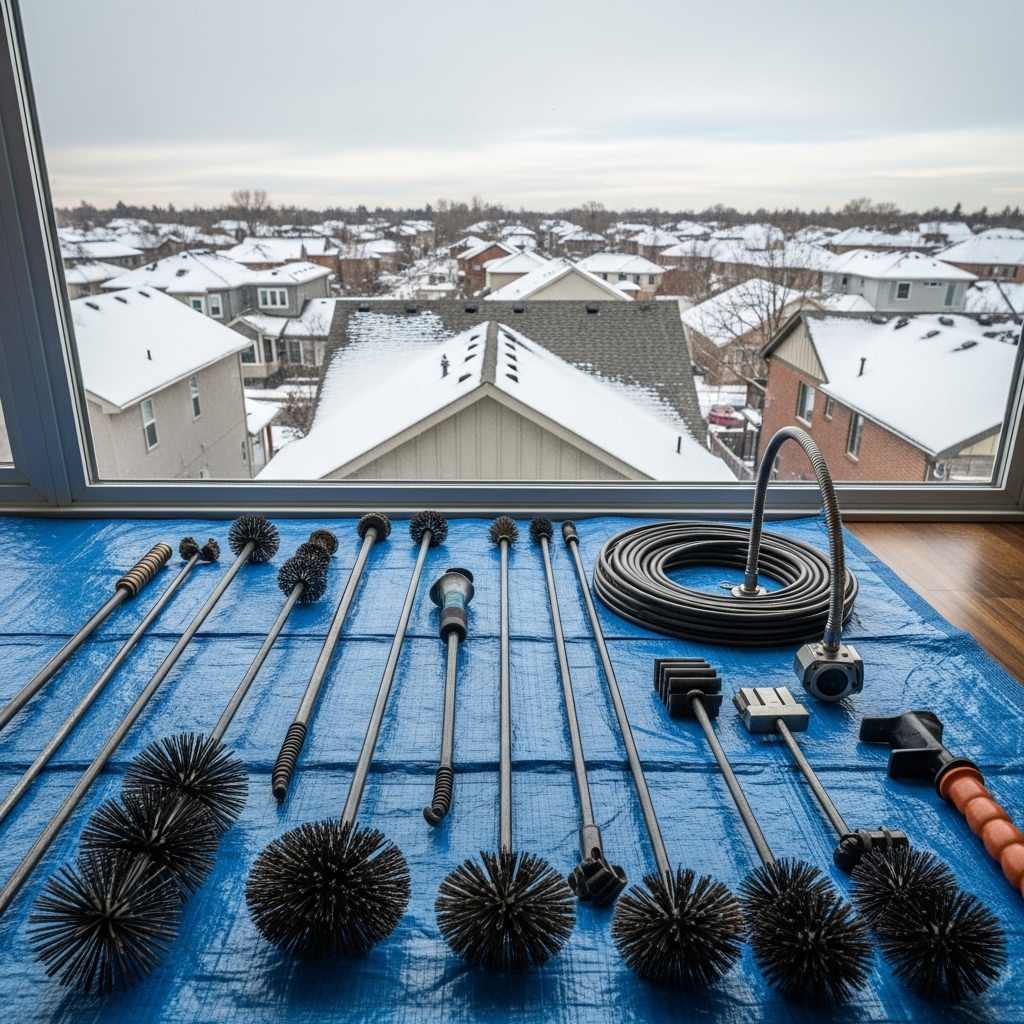
A well-run appointment follows a sequence that protects your home and leaves you with a clear picture of system health. First comes containment around the hearth and an assessment of the system type. Then, using rods and brushes sized to your flue, the technician works from top or bottom—or both—depending on access and design. Soot is captured by high-efficiency vacuums, the smoke chamber is addressed, and the firebox is checked for loose debris. Dampers are tested, liners are observed for obvious concerns, and caps are evaluated for security and performance.
This methodical approach is especially valuable in Denver, where altitude and weather stack small variables that can add up. By checking the right places and explaining findings clearly, the technician turns a complex set of factors into straightforward decisions for you. That clarity helps you plan the rest of the season with confidence.
Timing with Denver’s seasons
Late summer and early fall are popular times to schedule cleaning and evaluation. Roofs are dry, morning winds calm, and your chimney has had time to shed spring moisture. If you rely heavily on the fireplace, a mid-season check can ensure that deposit levels stay inside your comfort zone. After a run of especially cold weeks, it’s wise to confirm that draft is steady and that nothing unexpected—like a cap disturbed by wind—has crept into the equation.
Even if you use a gas unit in a condo, the season matters. Scheduling before the building’s winter rush makes coordination simpler, reduces wait times, and keeps the experience predictable. A little planning goes a long way in the city’s busiest months.
Communication saves time and keeps the visit focused
The fastest path to a smooth appointment is straightforward: share what you see and smell. Mention a smoky odor on sunny afternoons, a damper that’s sticky, or a draft that behaves better when a nearby window is cracked. These details point to the root causes that matter. Midway through the season, pairing a quick check with strategic professional chimney cleaning is often the difference between a flawless evening fire and one that fusses for twenty minutes before it settles.
Homeowners sometimes worry that their questions will slow the visit. In reality, questions make the work more efficient. A two-minute conversation at the beginning can prevent a thirty-minute detour later, which is exactly the kind of outcome Denver families appreciate when calendars are full and snow is in the forecast.
Altitude, caps, and liners: the small parts that punch above their weight
In older neighborhoods, many chimneys still have clay tile liners that serve well when intact. Cleaning is the moment when small faults can be spotted early, and early is the ideal time to plan any upgrades. Modern systems often rely on stainless steel liners matched closely to appliance output. A good cleaning confirms those liners are clear and performing, while a quick check of the cap ensures wind behaves around your flue instead of sneaking inside it. At elevation, the right cap is a quiet hero, promoting stable draft despite our city’s notorious gusts.
Take the opportunity to ask about your cap and liner during the visit. A short explanation from someone who sees hundreds of systems a year helps you understand what you have and what it needs. That knowledge turns vague worry into simple, doable steps that fit your home.
Preparing your space for an efficient appointment
As the homeowner, a little preparation goes a long way. Clear the hearth area and give the technician straightforward access through your preferred door. If pets are part of the family, set them up in a comfortable room away from the work zone. If roof access is through a side gate, make sure it opens freely. In multi-unit buildings, confirm any escort or key requirements with management so the crew can reach the roof without delay. These small actions set the stage for an on-time, on-target visit.
After the appointment, you’ll likely receive notes about your system’s condition and suggested habits for building efficient fires at altitude. Keep those handy. The next time a cold front sweeps down the plains, you’ll know exactly how to set up your hearth for success.
Frequently Asked Questions
How do I know when it’s time to schedule service?
Watch for smoke that lingers in the room, a draft that takes longer to establish, or a faint fireplace smell on sunny days. If you rely on your fireplace frequently, an annual rhythm before winter keeps things predictable. Gas units in condos benefit from periodic vent checks even if you use them casually.
Will cleaning disrupt my home?
Professionals use protective coverings and high-efficiency vacuums to keep soot contained. With proper setup, the work zone stays tidy and your furnishings remain protected. Most visits wrap up with your living space looking just as it did, with the welcome addition of a healthier flue.
Do gas fireplaces need attention?
Yes, though their needs differ. Direct-vent systems should be checked to confirm that exhaust paths are clear and components are functioning properly. Even though they produce different residues than wood, periodic attention supports reliable performance.
What altitude-related issues should I ask about?
Ask about priming the flue on cold starts, cap designs that stabilize draft in windy conditions, and burn techniques that help at elevation. Small adjustments often make your fireplace more responsive and easier to light.
Can I handle maintenance myself?
Homeowners can manage simple tasks, like keeping the firebox tidy and monitoring the cap from the ground. Full service is best left to professionals who bring proper tools and containment, especially when roof work is involved or the flue has bends and offsets.
What if I rarely use the fireplace?
Even infrequent use warrants periodic checks. Animals can disturb caps, wind can introduce debris, and seals can age. A professional look now and then ensures everything is ready for the day you do decide to light a fire.
Ready for clarity and a well-tuned hearth?
If you want a straightforward, locally informed plan for your Denver home, schedule expert chimney cleaning that matches your system, your usage, and our city’s altitude. You’ll enjoy a smoother season and a fireplace that performs when you need it most.