When you type “chimney cleaning near me in Denver” and stare at a long list of names, it’s easy to feel stuck. Who can you trust inside your home, around the hearth, and up on the roof? As a longtime local pro, I can tell you that the answer starts with more than a star rating. It’s about how a team explains their process, respects your space, and anticipates the little Denver-specific quirks that don’t show up in generic checklists. In this guide, I’ll share what to expect from a thoughtful visit, how to evaluate providers, and the neighborhood context that subtly shapes every job. My goal is to help you move from uncertainty to confidence the next time you schedule chimney cleaning for your home.
What Trusted Looks Like Before Anyone Sets Foot Inside
Trust often begins on the phone. A reliable Denver provider listens to how you use your fireplace and asks follow-up questions that match our local realities: What part of town are you in? Do you have a steep roof or solar array? How often do you burn during the cold snaps that roll off the foothills? These questions shape how we plan the day, from ladder selection to airflow management inside. Expect clear appointment windows, confirmation messages, and guidance on simple prep—no fires for at least a day, pets secured, furniture moved back from the hearth. You should also receive a plain-language explanation of what the appointment includes and what it doesn’t, so there are no surprises when the truck pulls up.
The Hallmarks of a Professional Arrival
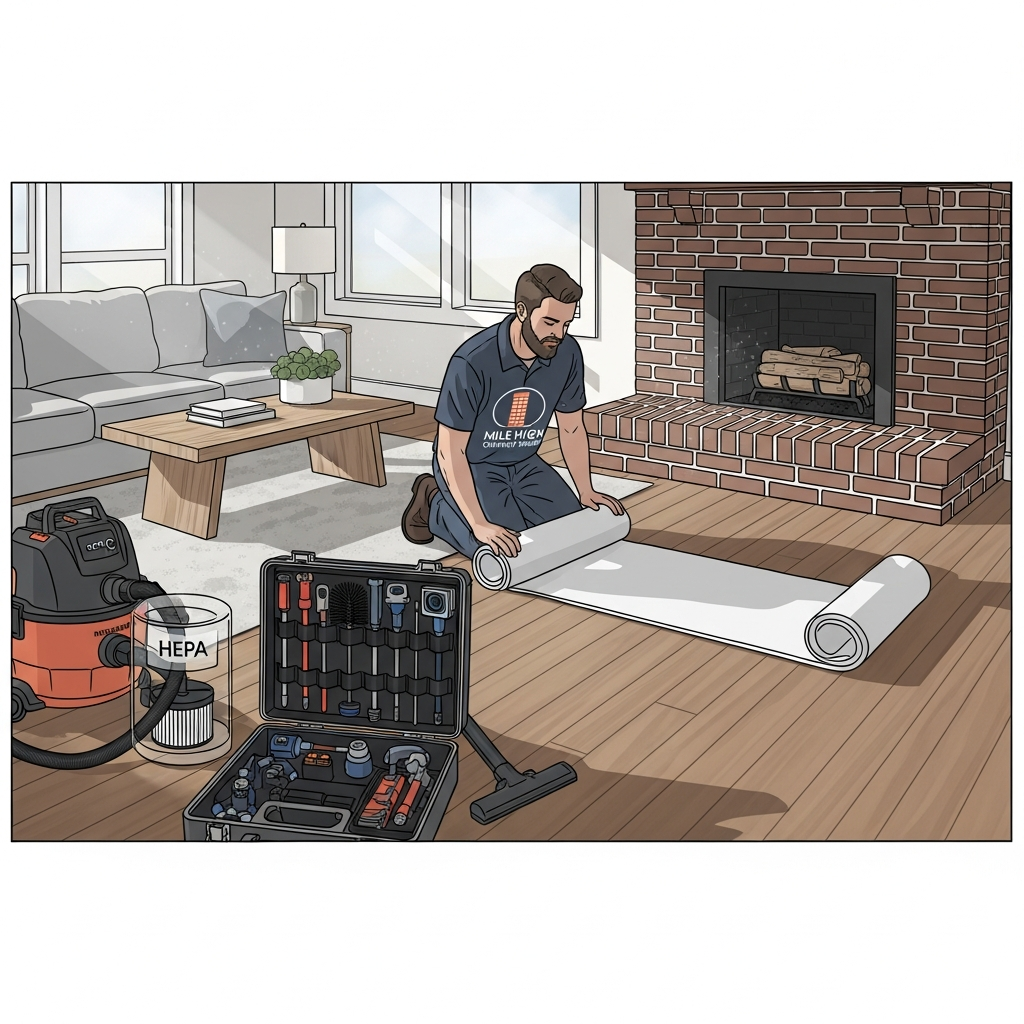
First impressions on site matter. Clean, organized tools arranged thoughtfully say as much as any certificate on a wall. A good sweep rolls down protective runners, sets up containment to guard against dust, and explains the sequence: an outside review, an inside inspection, and then the cleaning itself. That narrative keeps you in the loop and invites your questions. In Denver’s drier climate, dust control is a special focus because ash can go airborne quickly. Proper filtration on vacuums and gentle handling around the firebox protect air quality and furniture. Meanwhile, if snow or ice lingers on a north-facing roof, you’ll see safety lines and patient staging rather than rushed ladder moves. These details demonstrate respect—for your home and for the crew’s own safety.
Neighborhoods Tell a Story About Your Chimney
Every Denver neighborhood has a story that shows up in the chimney. In Wash Park and Congress Park, mature trees sometimes overhang roofs, shedding leaves and small twigs that settle on caps and screens each fall. In parts of Stapleton and Central Park, newer factory-built units respond differently to wind; a gusty evening can jostle top assemblies or push odors down if the cap isn’t sized correctly. In the foothill-facing neighborhoods of Green Mountain or Ken-Caryl, strong west winds sharpen draft and can amplify small flashing gaps into bigger leaks. A trusted local pro reads these cues immediately and adapts, from the choice of brush to the recommendations about caps and crown sealing. When a provider speaks your neighborhood’s language, you’re in good hands.
Inside the Flue: What Technicians Look For
Once a baseline inspection begins, pros look at residue type, liner condition, and transitions at offsets. Powdery soot usually signals hotter, cleaner burns; sticky or glossy deposits hint at cooler fires or unseasoned wood. Masonry liners reveal their age through joint wear and small tile fractures, while metal liners show discoloration patterns that indicate heat and moisture exposure. If symptoms don’t match what we see—say your draft is poor but the residue appears light—we may recommend a camera pass to look for hidden obstructions or an oddly positioned damper plate. Photographs and notes become part of your file, so the next visit builds on the last rather than starting from scratch.
Denver’s Weather and Your Appointment Window
Scheduling with the weather in mind makes everything smoother. Early fall brings a booking surge as families prepare for the first frosty nights. Late winter and spring often give you more options, and they’re excellent times to address odor concerns before summer heat exposes them. If we plan work near a snowstorm, expect flexible timing on roof work and a focus on interior tasks if conditions outside are slick. Good communication keeps the day efficient even when forecasts change. The aim is always the same: thorough service without cutting corners, be it under clear blue skies or after a light dusting that makes shingles treacherous.
What Great Communication Feels Like
Trusted pros narrate the job in real time. They’ll tell you what they’re seeing, how they plan to proceed, and what you can expect once the cleaning is complete. That transparency lets you compare observations to your lived experience—how easily fires start, whether odors linger after a damp day, or if soot marks appear near the damper. When the team wraps up, they’ll provide photos and practical guidance tailored to your habits. Maybe that means warming the flue a bit longer before adding larger splits, or checking the cap after the first fall windstorm. You leave feeling informed instead of rushed.
Assessing Quotes Without Getting Lost in Numbers
It’s natural to compare estimates, but trust is about more than a line item list. Ask providers to explain what their visit entails and how they handle surprises discovered mid-appointment. Do they have the right brushes for your liner type? Will they photograph findings and walk you through any concerns? How do they plan for access challenges on steep or high roofs? Answers to these questions are the difference between a tidy result and a frustrating return visit. The best pros will balance thoroughness with respect for your schedule and budget boundaries, all while making safety the first priority.
Why “Near Me” Should Also Mean “Knows Me”
A map pin gets a truck to your address, but a true neighborhood provider will understand how your home breathes. Denver’s tight, energy-efficient houses can experience negative pressure when kitchen fans, bath exhausts, and fireplaces run at the same time. That can pull smoke into rooms if dampers aren’t fully open or if competition for makeup air is strong. We’ll help you test these interactions, making small changes like opening a nearby window during lighting or adjusting the order in which appliances run. These are the quiet, practical fixes that transform how a fireplace behaves on a cold evening.
Proof of Care: Before-and-After You Can Feel
After a thoughtful cleaning, drafts improve, glass doors stay clearer longer, and fires start with less coaxing. Your living room smells like wood and warmth—not old soot. On the roof, the cap sits square and solid, flashing is tight, and there’s no loose debris waiting to blow into the flue. Indoors, the hearth area is cleaner than when we arrived because pros always take a moment to vacuum and wipe down the immediate area. You may not see every step that happens inside the liner, but you’ll feel the difference the next time the temperature drops and the first match flares.
When Mid-Season Checkups Make Sense
Some households burn much more than others, especially if the fireplace is a mainstay during stormy weeks. If your glass darkens quickly, if fires seem harder to start, or if you notice a slight smokiness even with the damper open, a mid-season check is wise. In Denver, quick shifts from warm days to cold nights can also change draft behavior enough to accelerate deposits. A brief return visit can reset conditions so you enjoy the rest of winter without frustration. It’s not about over-servicing—it’s about maintaining the performance you counted on in November well into February and March.
How to Spot Red Flags Early
Even trusted systems telegraph trouble. A damper that suddenly sticks, ash that smells sour after a rain, or a cap that chatters loudly in wind all deserve attention. Staining on bricks or siding beneath the chase points to moisture intrusion, which should be handled before it escalates. If you hear tapping or fluttering inside the flue during spring, birds may be prospecting for a nest; that’s a timely moment to confirm your cap is in place and in good repair. A reliable local pro will address these issues promptly and explain preventive steps so you’re not revisiting the same problem a year later.
Midway Checkpoint: The Value of Routine
By the time you’ve partnered with a provider for a full season, you should have clear, written observations that chart your chimney’s condition over time. Those notes make it simple to plan the next appointment, and they reduce the uncertainty that often drives hesitation. A routine fosters calm, predictable hearth seasons and protects your home’s fabric from the slow wear of heat and moisture. If you’re still searching for a provider you connect with, consider starting with a baseline visit and asking for measured, photo-backed documentation. Consistent, well-documented chimney cleaning is a partnership built on shared understanding.
What Questions Should You Ask a Prospective Sweep?
Ask how they protect indoor air while they work. Ask about roof safety and what happens if weather interrupts the plan. Inquire about experience with your specific appliance—open fireplaces, wood stoves, pellets, or gas inserts each come with their own quirks. A confident pro explains brush choices, vacuum filtration, and how they’ll show you results. Listen for the calm, practical tone of someone who has solved a thousand small puzzles and respects that your living room is more than a jobsite—it’s where your family gathers.
What to Expect After the Team Packs Up
Good service ends with clarity. You’ll receive photos, a summary of findings, and next steps if anything needs attention. You’ll know how to light smarter fires that keep glass clean and maximize heat without filling the room with smoke. Most importantly, you’ll feel that your questions were welcomed, not brushed aside. That aftercare is the difference between a one-time visit and a relationship you can rely on year after year, storm after storm.
Frequently Asked Questions for Denver Homeowners
How often should I schedule chimney service if I burn only on weekends?
For light, occasional use, many households do well with a seasonal check once per year to confirm the cap, crown, and liner are in good shape. If spring brings strong odors or if your holiday fires leave more soot than expected, schedule sooner. A simple rhythm built around your actual use beats any rigid calendar.
What if I have a gas insert—do I still need cleaning?
Gas burns cleaner than wood but still produces moisture and small byproducts that move through the venting. Periodic service confirms the vent is clear, components are operating correctly, and no wildlife or debris has restricted airflow. It’s also a chance to address glass haze and ensure the flame pattern remains healthy.
Is a camera inspection necessary every time?
No. Camera inspections are most valuable when symptoms don’t line up with visible residue or when we suspect hidden issues. After windstorms, for example, a camera can confirm nothing shifted in an offset. Used judiciously, it’s a powerful tool for peace of mind.
Can I reduce soot with better fire-starting technique?
Absolutely. Use seasoned wood, start with kindling to warm the flue, and open the damper fully. If your home is very tight, crack a nearby window for a minute during lighting to supply makeup air. Small, hot fires typically produce cleaner burns than smoldering logs loaded too early.
What signs mean I should call sooner than planned?
Smoke spillage into the room, persistent odors after damp weather, unusual animal sounds, or a damper that won’t move freely are all cues. Treat these as early warnings and you’ll prevent minor annoyances from turning into bigger headaches.
Do newer homes need less attention?
Newer systems can be efficient, but they also live in very tight houses where ventilation dynamics are complex. That means small changes—like a powerful range hood—can influence draft. Regular, informed checks keep performance steady regardless of a home’s age.
If you’re ready to choose a neighborly team that shows up on time, protects your space, and explains every step, schedule professional chimney cleaning with a local crew that treats your Denver home like their own. Warm, clean, and safe—that’s the standard you deserve.