
If you live in Denver, you already know how the seasons put your home’s systems through their paces. From bright, high-altitude sunshine to sudden snow squalls that roll off the Rockies, your fireplace and chimney feel every change. That’s why when you think “I need chimney cleaning near me,” you want a local team you can genuinely trust to keep your home safe, efficient, and ready for cozy nights by the fire. Around here, that starts with understanding how Denver’s dry air, freeze-thaw cycles, and frequent temperature swings affect masonry, metal liners, and all the components you rely on. It also means knowing when to schedule, what to look for between visits, and which questions to ask so you feel confident inviting a specialist onto your roof and into your living room. If you’re just starting your search, you’re in the right place, and you can explore expert chimney cleaning guidance tailored to Denver conditions.
Trust in chimney care isn’t earned with a single sweep; it’s built with consistent attention to detail season after season. In Denver, we see unique combinations of creosote buildup from wood-burning appliances, soot from gas logs that many assume are maintenance-free, and the occasional contribution of windblown debris that sneaks under a loose cap. When you add the city’s elevation to the mix, drafts can behave differently than they do at sea level. The thinner air can impact how your fireplace pulls and how smoke behaves, especially on inversion days when the air can sit low over the city. A trusted local pro reads these patterns the way a mountain guide reads weather on the pass: attentive to the signs, calm under pressure, and precise in the steps that follow.
What “near me” really means in Denver neighborhoods
In a metro area that stretches from Cherry Creek to Green Valley Ranch and out toward the foothills, “near me” is more than distance on a map. It’s familiarity with the homes and building styles in your part of town. Brick chimneys in West Wash Park often have different mortar compositions than some of the newer builds in Central Park, and that affects how they handle winter’s freeze-thaw cycles. In older neighborhoods like Baker and Capitol Hill, we frequently see historic chimneys that have been re-lined over decades, sometimes with terracotta tiles, sometimes with stainless steel. Each of those choices is fine when it’s installed and maintained properly, but they call for different inspection techniques and tool sets.
Move a little west into the foothills, and wind exposure changes. Chimneys see stronger gusts and more wind-driven snow, which motivates a different approach to caps and spark arrestors. Down south in Littleton and Englewood, where ranch-style homes are common, roof pitches are often gentler, but access pathways matter, too: landscaping, hardscapes, and solar panels can complicate ladder setups. A local team shows up with that in mind, minimizing impact on your property while maximizing the thoroughness of the inspection and sweep.
Why Denver chimneys need thoughtful seasonal timing
Many homeowners call right as nights get chilly in October and November, and there’s nothing wrong with that—aside from demand being at its highest. If you can, schedule ahead at the tail end of spring or early summer. After a season of fires, creosote is at rest and easier to assess, and technicians can spot any damage from winter before summer heat expands cracks or causes further mortar deterioration. In the height of summer, it’s also easier to coordinate with other home projects like roof work or painting. The result is better preparation and a smoother first fire when fall arrives.
That said, there’s no truly bad time to get an inspection, especially if you notice performance changes. If your living room is getting smokier, if the fire seems sluggish, or if you catch a whiff of soot on warm days, those are all reasons to make a call sooner than later. Smoke patterns can reveal partial obstructions, aging liners, or, in some cases, wildlife nests that had a quiet spring and an opportunistic summer.
What a thorough chimney cleaning looks like here
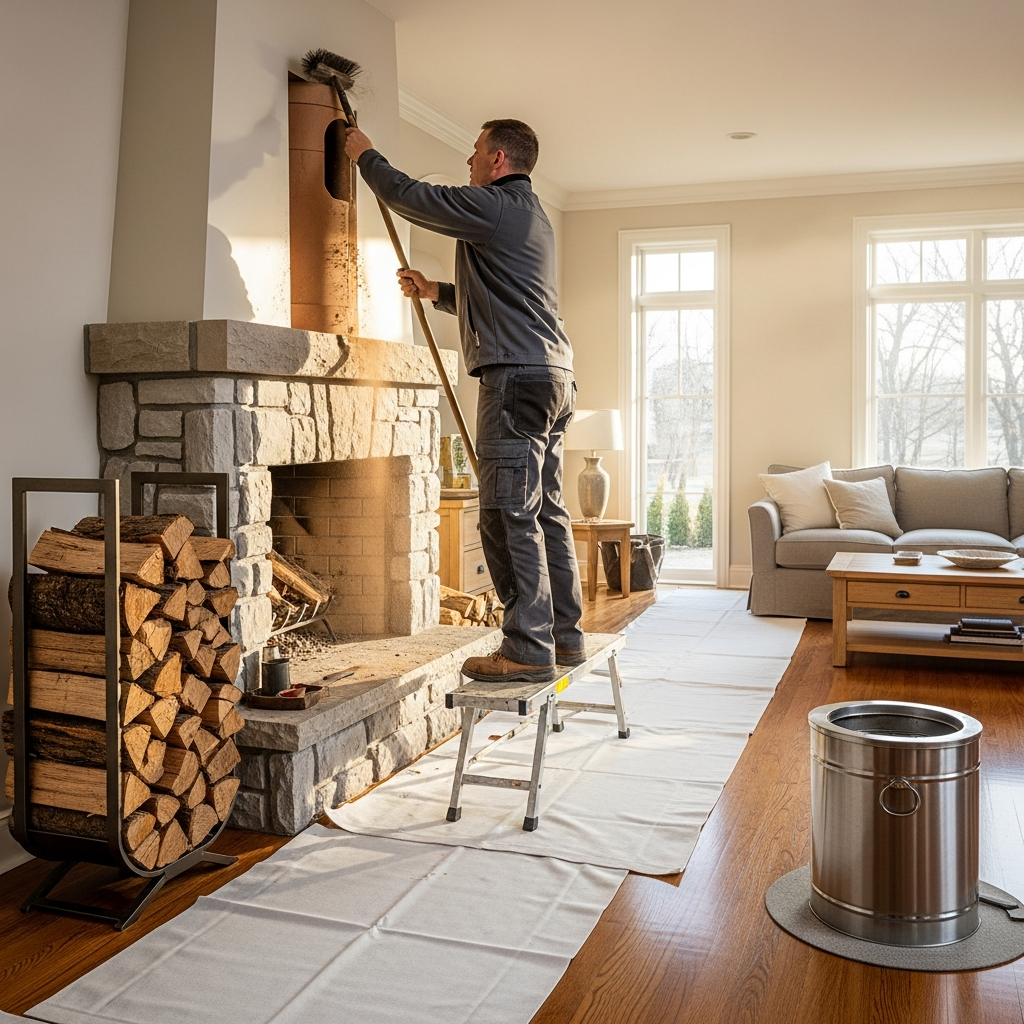
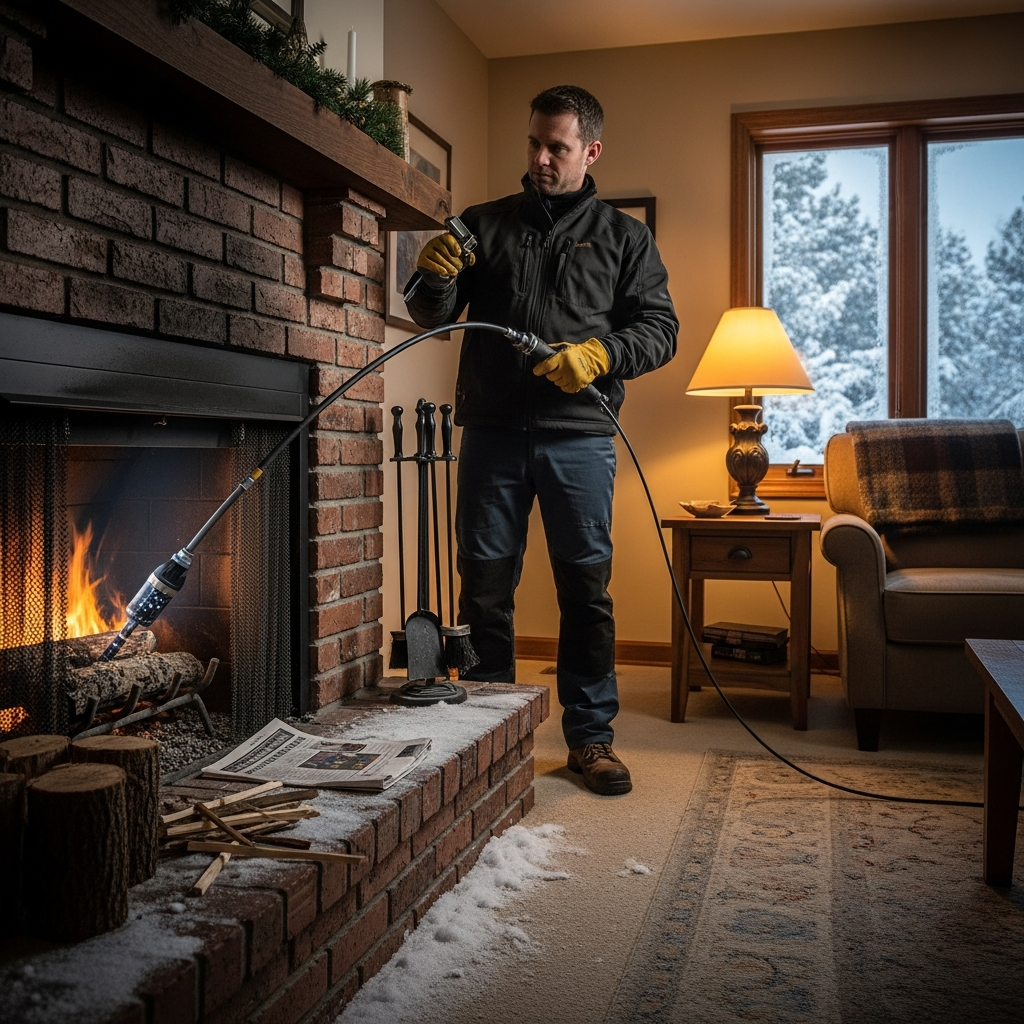
In Denver, the focus is always on safety and clarity. A proper appointment starts with a conversation about how you use your fireplace: wood species, frequency, duration of fires, and any recent changes in your home’s ventilation. From there, a technician protects your floors and furnishings, inspects the firebox, damper, smoke chamber, and flue, and then performs a complete sweep. Depending on your liner type, they’ll select the right brushes and rods to avoid damage while removing buildup. For many homes, a camera inspection follows, offering a clear view of tiles, seams, joints, and any offsets in the flue that could catch debris.
Masonry gets special attention because of our climate. Freeze-thaw cycles can reveal themselves as spalling bricks, hairline cracks that widen with time, or a crown that’s started to crumble at the corners. On prefabricated systems, professionals check the chase cover for rust, confirm that caps are secured, and verify that clearances have remained intact. All of that informs the maintenance plan you receive, which should be explained in plain language with recommendations prioritized by safety and function.
Choosing a local specialist you can rely on
Credentials and local experience go hand in hand. Look for teams with recognized certifications and, crucially, a track record of work in your part of Denver. Ask how they protect your home during the visit. Ask what their inspection includes and how they document findings. Reputable pros will gladly explain their process, share photos from your system, and walk you through why they recommend certain steps. The goal isn’t to overwhelm you with jargon; it’s to give you the clarity to make decisions you feel good about.
Communication during and after the appointment is a hallmark of trustworthy service. You should expect punctual arrivals, transparent explanations, and follow-up that respects your schedule. In our area, where a sunny morning can turn into an afternoon thunderstorm, flexibility matters—and so does a plan for rescheduling roof work if weather shifts suddenly. When a pro proactively manages those realities, it’s a sign they’ll handle the rest with equal care.
Denver-specific signs your chimney needs attention
Keep an eye out for efflorescence—those white, powdery salt deposits on exterior brick—which can indicate moisture migration. After heavy spring snow or summer downpours, a damp smell near the fireplace could mean your cap or crown needs attention. Inside, a sticky, shiny buildup on the flue walls suggests a more advanced stage of creosote that requires special techniques to address safely. And don’t ignore draft quirks: if you light a fire and smoke hesitates or rolls into the room before pulling up the flue, report that behavior to your technician. With altitude affecting draft and homes becoming increasingly airtight, a small adjustment to make-up air or damper positioning can make a big difference.
It’s also helpful to consider how upgrades in other parts of your home may affect fireplace performance. New windows, kitchen range hoods, or whole-house fans change the pressure dynamics that impact your chimney. Mention those changes during the inspection so your technician can evaluate the system holistically.
Mid-season maintenance and best habits
Once you’ve had the chimney cleaned and inspected, a few simple habits help maintain performance through the heart of winter. Burn well-seasoned wood if you use a wood-burning appliance, and store it off the ground with airflow to keep it dry. Open the damper fully before lighting, and prime the flue with a rolled newspaper or a small kindling fire on extra-cold days to encourage draft. Keep the area around the hearth clear and use a fitted screen or glass doors appropriate for your setup to keep embers contained. And once each month during peak use, take a moment to look into the firebox and up into the throat; if you see thick, flaky soot or shiny glaze, it’s a good cue to schedule a check.
In the middle of the heating season, especially around January when Denver often swings from snow to sunshine in a matter of hours, it can be smart to book a quick assessment if you’ve noticed performance changes. This is also a good time to re-familiarize yourself with local resources for chimney cleaning so you know who to call if something doesn’t feel right. Staying proactive keeps small issues from becoming bigger spring projects, and it preserves the enjoyment of your fireplace when you want it most.
Protecting your chimney from wildlife and weather
Denver’s urban wildlife is resourceful. Squirrels and birds look for warm, sheltered spots when temperatures dip, and an unsecured or poorly sized cap can become an open door. A proper cap with a spark arrestor mesh keeps critters out while also preventing embers from escaping, which is important in our dry climate. A well-formed crown, sloped to shed water away from the flue, is another unsung hero. It reduces water infiltration that compromises mortar and masonry, preserving the integrity of your chimney through freeze-thaw cycles.
On the weather front, UV exposure at altitude accelerates wear on some materials. Stainless components resist corrosion, but they still benefit from periodic checks to ensure fasteners haven’t loosened and seams remain tight. Masonry sealants, when appropriate and vapor-permeable, can extend the life of brick and mortar by shedding water while allowing moisture to escape. These preventive steps are quiet investments in longevity and performance.
What to expect on appointment day
You’ll usually receive a courtesy call before arrival. Technicians will lay down protective coverings, set up containment to keep dust from circulating, and then begin the inspection and sweep. Tools are selected for your specific flue: softer bristles for certain liners, stiffer options where masonry can handle it, and rotary systems when buildup requires it. Debris is captured directly; your living room shouldn’t look any different when the team leaves than it did when they arrived, aside from a cleaner, safer system.
When the sweeping is done, many pros will show you photos and video stills. They’ll explain what they saw, what it means for the way you use your fireplace, and what, if anything, should be addressed next. If a follow-up task is recommended, like replacing a missing cap or repairing a crown, you should receive a clear explanation of why it matters for safety and performance. This is where trust is reinforced: with plain talk, real images of your system, and recommendations that prioritize your needs.
Confidence for your next fire
There’s a particular comfort in striking a match when you know your chimney has been cared for by attentive hands. You’ll notice the difference in the way the fire starts, the way smoke disappears up the flue, and the absence of any lingering odor after the embers fade. That’s the peace of mind Denver homeowners deserve, especially when the sun drops behind the foothills and the evening turns crisp.
Frequently Asked Questions
How often should Denver homeowners schedule a chimney inspection? A yearly inspection is widely recommended for most households that enjoy their fireplace through the cooler months. If you use your system heavily or notice changes in performance, schedule a check sooner.
Does a gas fireplace need cleaning and inspection? Yes. Gas appliances produce byproducts that can leave residue, and components like logs, burners, and vents still require periodic attention for safe operation.
What signs suggest a chimney needs professional attention? Persistent smoke in the room, strong soot odors, visible cracks in masonry, a missing or damaged cap, and evidence of critters are all reasons to call a pro.
Can I clean my chimney myself? While homeowners can do light maintenance, a full sweep and inspection call for specialized tools and training. Professionals can identify conditions that aren’t visible from the firebox or roof alone.
What makes Denver’s climate tough on chimneys? Freeze-thaw cycles, high UV exposure, and wind-driven snow all stress chimney materials. Local expertise helps address those realities proactively.
Ready to enjoy your fireplace with confidence? Connect with a trusted local team and schedule thorough chimney cleaning that’s tailored to Denver homes. Reach out today to plan your visit, ask questions, and feel great about your next evening by the fire.