When neighbors ask how much chimney cleaning runs in Denver, I always begin with a simple truth: the number you eventually see on a quote is the result of many moving parts. Our city’s elevation, architecture, and climate shape how work gets done, and no two chimneys are exactly alike. While it is tempting to search for a universal figure, the most helpful thing you can do is understand what drives an estimate and how to compare proposals fairly. If you grasp those factors, you will feel confident choosing the service that safeguards your home and keeps your fireplace performing comfortably through a Front Range winter.
Start with the chimney itself. Height, material, and configuration influence how a technician approaches a job. A straight, accessible flue is a very different project than one with multiple offsets, a narrow liner, or a shared chimney structure serving a fireplace and a separate appliance. Older clay tile systems can require different tools and techniques than modern stainless steel liners. The goal is always the same—remove combustible deposits, confirm integrity, and verify draft—but the path to that goal changes with each design.
Denver’s altitude shapes those decisions, too. Thinner air affects draft, which affects the temperature profile inside a flue. That has a knock-on effect on how deposits form and how stubborn they may be to remove. A professional who understands the way our dry climate, winter inversions, and afternoon winds behave will account for that in the time, tooling, and safety measures necessary for a thorough job. In a practical sense, this means your estimate reflects local know-how as much as it reflects square footage or the count of fireplaces.
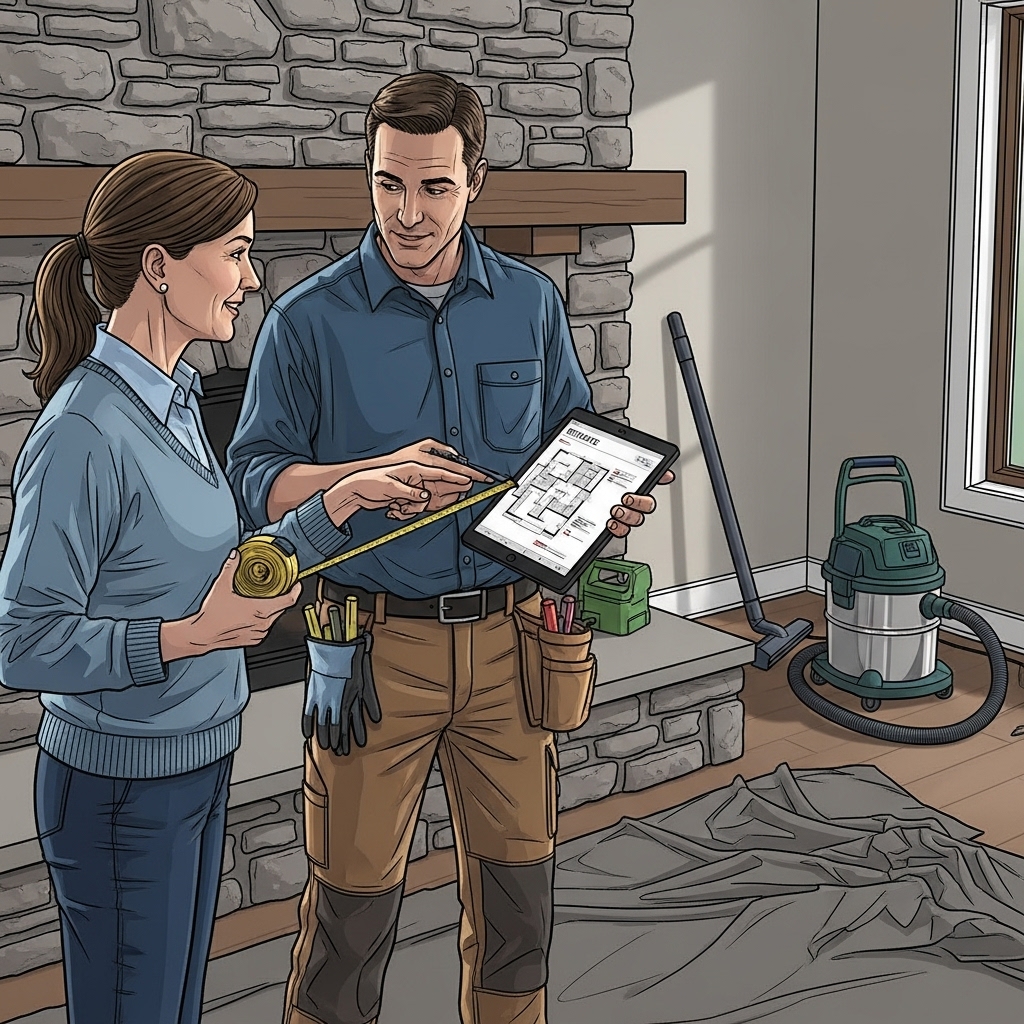
Access is another major variable. Many Denver homes were built with steep roofs that gather snow and ice, and our growing appetite for rooftop solar adds a layer of navigation to safe access. A technician must move carefully around panels, snow guards, and complex rooflines. Safely reaching a chimney may require specialized ladders or staging, and that consideration appears in an estimate because it is about protecting the crew and your property. Inside, a tidy, protected work area speeds the process and helps the team maintain a dust-free environment while they clean and inspect.
Then there is the question of condition. The amount and type of buildup inside your flue determines the effort required. Flaky soot behaves one way; sticky, glazed deposits behave another. If nesting materials, leaves, or other obstructions are present, clearing them safely takes time and care. A conscientious estimate describes the scope clearly so you understand whether the plan is for a routine cleaning, a more involved deposit removal, or a cleaning paired with inspection findings that deserve follow-up attention.
Homeowners also ask about add-ons and how they factor into a quote. In practice, the term “add-on” means different things to different companies. Some practices bundle protective measures like drop cloths and HEPA-grade vacuuming into every visit, which is good. Others include camera inspections when conditions warrant them. If your technician documents issues such as a damaged cap, a cracked crown, or gaps in a smoke chamber, that information might lead to a separate conversation about maintenance. The important part is receiving a clear, plain-language explanation of what is included today and what would be considered a separate project, so you can plan without surprises.
Because the word “cost” is right in the headline, it is worth pausing to consider how homeowners can evaluate value without fixating on a single figure. Ask about the experience of the team, the tools they use, and how they contain dust and debris. Ask what happens if weather conditions make rooftop work temporarily unsafe and how rescheduling is handled. Ask how they communicate findings and whether you will receive photos or a written summary. These details shape your experience and your confidence long after the appointment ends.
It is also helpful to see how a company handles diverse fuel types and appliances. Wood-burning fireplaces, wood stoves, pellet units, and gas inserts each have distinct maintenance needs. A provider who understands all of them can give better guidance on burn practices, venting, and scheduling. Gas units, for example, burn cleaner but still leave residue and benefit from component checks and vent inspection. Pellet appliances introduce their own patterns of ash and fines that can affect draft. When you read a proposal, look for signs that the team will treat your system as the unique setup it is.
Timing can play a part in the logistics of any service. The first cool nights of fall send many Denverites scrambling to light that inaugural fire, and appointment calendars fill quickly. Planning ahead gives you options, especially if your schedule requires a particular day or time. Spring cleanings work well for households that used their fireplaces heavily over winter; you catch any weathering or minor wear while it is fresh and before summer heat sets in. Either way, regularity matters more than the exact month you choose, because consistency keeps your system predictable and reduces surprises.
One topic that deserves special attention is documentation. A thorough cleaning paired with a clear inspection report is worth its weight in peace of mind. Photos of the flue interior, notes on components like the cap, crown, and flashing, and observations about draft behavior give you a baseline to compare year over year. If a technician recommends addressing something, you will see precisely why. That level of communication builds trust and helps you make decisions about your home with clarity.
For many homeowners, the best first step is a conversation. Describe how you use your fireplace, how often you burn, what wood you prefer, and any quirks you have noticed. A local expert will translate that into a plan tailored to our altitude, our wind patterns, and your particular chimney. If you need a strong starting point to understand scope and expectations, you can always refer to professional standards around chimney cleaning and system care. Those references anchor the conversation and set clear goals for your visit.
Another way to think about value is prevention. Cleaning removes combustible material and restores clear pathways for exhaust, but it also uncovers small issues before they become big ones. A slightly damaged cap that lets in wind-driven moisture can accelerate masonry wear. A damper that does not close properly can invite drafts and energy loss. Addressing these items early saves hassle and keeps your hearth experience comfortable when the weather turns.
In Denver, the conversation inevitably returns to airflow. Newer, tightly sealed homes can develop negative pressure indoors, which encourages smoke to linger in the firebox or drift into the room. Something as simple as running a kitchen hood or bathroom fan can affect draft. A seasoned technician will look beyond the chimney to consider the home as a system. Sometimes the remedy is an adjustment to how you start a fire or when you crack a nearby window. That guidance is part of the value you receive during a well-executed visit.
Frequently asked questions about chimney cleaning and estimates in Denver
Why do estimates vary so much between homes that look similar? Two houses can appear alike from the street yet have different flue materials, offsets, cap designs, or lining systems. Interior access and roof safety also differ. Those variables change the approach and time required, which influences the final estimate.
Can I get an estimate without an on-site visit? You can often receive a preliminary range based on a conversation and photos, but a firm proposal usually follows an in-person look. Seeing the flue interior, confirming dimensions, and assessing access conditions allow a technician to set accurate expectations.
What should be included in a quality chimney cleaning service? Containment and protection for your home, thorough brushing and vacuuming of the flue and smoke chamber, damper checks, and a clear summary of findings are standard. Many providers also include visual or camera-assisted inspections when appropriate.
How do Denver’s winds and altitude affect my chimney? Wind can create downdrafts around certain rooflines, and altitude changes draft characteristics. A local pro will evaluate cap style, chimney height relative to nearby structures, and pressure dynamics inside your home to keep your system drawing well.
Do gas fireplaces need cleaning and inspection, too? Yes. While they burn cleaner than wood, they still produce byproducts and rely on healthy venting. Regular maintenance ensures components function properly and that vents are unobstructed.
What can I do between cleanings to reduce buildup? Burn seasoned wood, warm the flue gently at the start of a fire, and avoid smoldering, low-temperature burns. Keep the area around your cap free of debris and watch for signs of nesting activity after windy periods.
How long does a typical appointment take? Duration depends on the system and access, but many visits fit comfortably within a morning or afternoon. Your technician will set a realistic window when you schedule.
Is there an ideal time of year to schedule? The best time is when you can plan ahead. Spring and early summer are excellent for post-season cleanups; late summer and early fall prepare you for first fires. Consistency is more important than the exact month.
What if a problem is found during cleaning? You should receive a clear explanation, often with photos, and a discussion of options. Some items are simple maintenance; others may require specialized repair. The key is transparent communication so you can decide how to proceed.
Are there things I should ask before booking? Ask about training, safety practices, dust control, documentation, and how they handle weather-related rescheduling. These details shape your experience and the quality of the outcome.
When you are ready to make an informed choice for your home, start with a conversation grounded in local knowledge, clear scope, and a predictable process. Reach out to a Denver team that prioritizes communication and thoroughness, and schedule professional chimney cleaning so your fireplace is ready for those crisp, starry nights along the Front Range.