Thinking Through the Investment in Wood Stove and Chimney Care
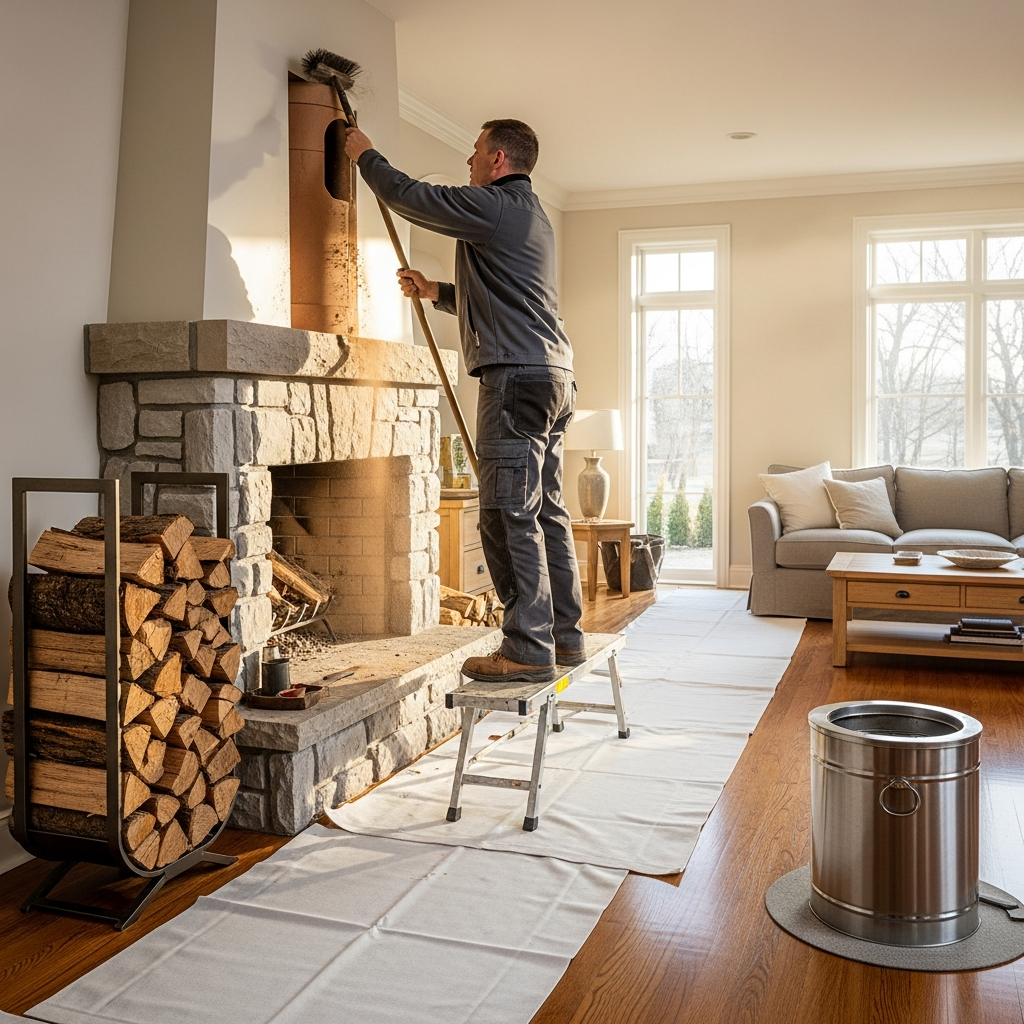
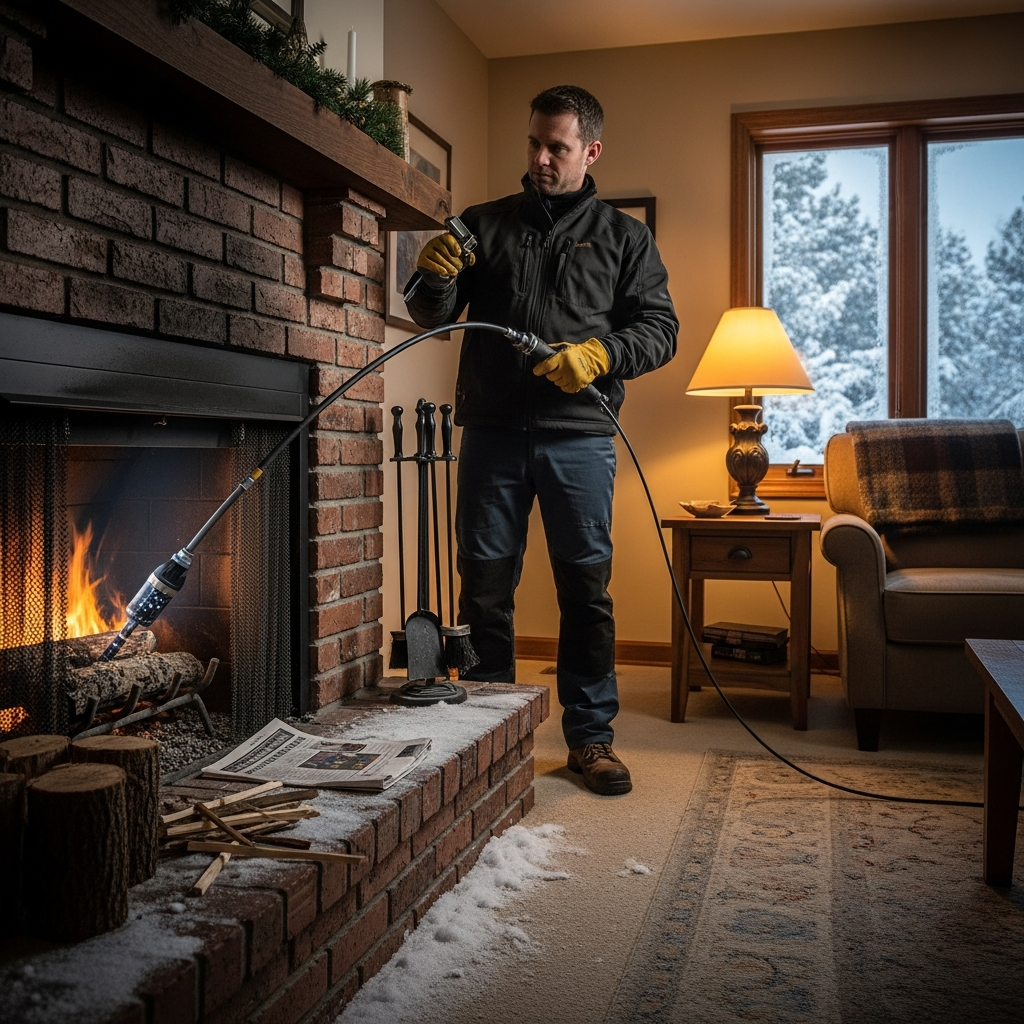
When winter settles over Denver and the first snow dusts the roofs in Park Hill or Bonnie Brae, the quiet glow of a wood stove or fireplace becomes the heart of the home. Homeowners often ask what goes into budgeting for the work that keeps these systems safe and reliable. The honest answer is that every chimney and stove setup is a little world of its own, shaped by age, materials, installation history, and the way it has been used. While it is natural to wonder about the dollars and cents, a better place to start is with the factors that shape the overall investment, how to prioritize them, and how timing and scope influence results. An informed plan—and timely chimney repair—not only protects your home but often saves future headaches.
In Denver, altitude, dry air, and big temperature swings play a significant role in how masonry weathers and how appliances draft. Understanding this local context helps you decide where to focus first and what level of work best fits your goals for performance, safety, and preserving the look of your home.
What Drives the Work Scope on a Masonry Chimney
Begin with the basics: the chimney’s structural condition, water management at the roof interface, and the flue’s integrity. If mortar joints are recessed and crumbly, if the crown is cracked, or if flashing shows age, those items rise to the top of the to-do list. Addressing them early keeps moisture out of the system, and dryness is the foundation of longevity in our climate. A stable, watertight stack reduces the likelihood of more extensive rebuilds down the line.
Inside the chimney, the condition of terracotta tiles or existing liners guides the conversation. Older tiles sometimes show step cracks or gaps at joint interfaces, and smoke chambers can be rough and constricted. Modern safety expectations favor continuous, smooth flue pathways and properly sized liners matched to the appliance or fireplace opening. Aligning with those expectations is less about brand-new shine and more about consistent performance and containment, especially during long burn periods in January.
Wood Stoves: Venting, Clearances, and Draft
Wood stoves deserve special attention because their performance is tightly linked to vent design. A stove that smolders or back-puffs usually cues up a look at flue height, liner diameter, and the way the stovepipe transitions through the system. Denver’s higher elevation lowers available oxygen, which changes burn dynamics compared to sea level. A properly sized liner, smooth interior surfaces, and a cap that manages wind at your site can transform a temperamental stove into a steady heat source.
Clearances matter as much as venting. In older homes where stoves were added after construction, nearby finishes or framing may not meet contemporary safety guidelines. Sorting out heat shielding, hearth protection, and distances to combustibles is part of a holistic plan for a wood stove that is both comfortable and safe to use all season.
Materials, Methods, and Durability
The success of any repair or upgrade hinges on material choices that suit both the historic fabric and Denver’s climate. On masonry chimneys, compatible mortars that allow for movement and moisture exchange protect older brick. Rebuilt crowns shaped with a drip edge and separated from the liner with a bond-breaker handle thermal expansion gracefully. At the roofline, mechanically integrated flashing beats surface sealants every time, especially with our intense sun and freeze–thaw cycles.
For liners, options range from stainless systems to ceramic approaches, each with a profile of benefits depending on your appliance and goals. The best choice is the one that creates a continuous, stable path with the right dimensions for your stove or fireplace and that plays well with your chimney’s geometry.
Sequencing Work to Fit Your Priorities
Many homeowners tackle projects in stages, which is a smart way to manage both time and scope. Start by keeping water out: crown, cap, and flashing come first when the exterior is vulnerable. Next, stabilize the masonry by repointing joints that have lost their bond. With the exterior tight and sound, interior improvements—like smoke chamber parging or a liner tailored to your wood stove—bring performance and safety up to the standard you want for regular winter use.
Sequencing also respects the seasons. Crown work and repointing prefer steady curing conditions typically found from late spring through early fall. Liner work offers more flexibility outside of extreme weather, which can make it a good shoulder-season task while you plan the exterior items for prime weather windows.
Local Conditions That Influence Decisions
Denver’s mile-high sun accelerates the aging of mastics and thin coatings, so solutions that rely on surface sealants tend to have a shorter useful life here. Wind exposure varies block by block, and some locations benefit from cap designs that tame gusts rolling off the foothills. Snow drifting against a wide chimney may call for a thoughtfully built cricket to divert meltwater around the stack. These local details shape the plan and ultimately the satisfaction you feel with the result.
The dryness of our air changes how moisture moves through masonry, too. Breathable repellents applied under the right conditions can help on exposed stacks, but the real work is done by sound mortar joints, a crown with good drainage, and flashing that sheds water cleanly into the roofing system. When those fundamentals are in place, secondary measures can fine-tune performance.
Evaluating an Existing Wood Stove Installation
It is common to inherit a wood stove when you buy a home, and it is equally common to wonder if the setup is truly optimal. A careful evaluation looks at the stove’s listing, the vent path, and the clearances in the room. We check how the stovepipe connects to the chimney, whether the liner matches the stove’s requirements, and how the cap manages wind at your site. Real-world observations—does the stove wake up easily, does it draft well on cold starts, does smoke spill when you open the door—inform adjustments that can transform day-to-day use.
If changes are warranted, they can be targeted. Sometimes the answer is as simple as improving the transition from stovepipe to liner or refining the cap. Other times, relining aligns the system with best practices and gives you that satisfying steady draw that makes a winter evening effortless.
Preserving the Look of Historic Chimneys
For homes in neighborhoods like Congress Park or West Highland, the chimney is a visual anchor. When repairs are needed, the goal is to make the stack look like it belongs while bringing it up to modern expectations inside. That means matching mortar color and tooling, sourcing compatible brick for any replacements, and rebuilding decorative elements—like corbels or bands—so they function and shed water as intended. The outward result is a roofline that retains its familiar profile; the inward result is a system that drafts cleanly, stays dry, and requires less attention between seasons.
Where brick faces have started to spall, timely intervention slows the process. Gentle cleaning, selective replacement, and breathable protection, all done after masonry is stabilized, combine to safeguard the original material without locking in moisture.
Why an Inspection Is Your Best First Step
A comprehensive inspection provides clarity. From crown to firebox, each component tells part of the story. Photos, notes, and a clear explanation of what is urgent, what can wait, and what will raise everyday comfort help you plan confidently. In many cases, homeowners find that addressing exterior water management first reduces the scope of interior work, because dry masonry behaves better and stays more stable over time.
An inspection also covers safety concerns that may not be obvious, such as improper venting for multiple appliances on one flue, or a smoke chamber that channels sparks more than it should. Addressing those items is about peace of mind as much as it is about performance.
The Role of Timing and Weather Windows
Even the best plan benefits from the right weather. Mortar, crown materials, and coatings have preferred ranges for temperature and humidity. In Denver’s variable climate, we monitor forecasts to select windows that support proper curing. If you have been considering work for a while, booking before the first sustained cold often yields a smoother path and gives you time to enjoy your fireplace or stove during peak season.
That said, some upgrades are viable year-round with proper protection. Liner installation and interior smoke chamber improvements can proceed in cooler weather as long as conditions inside the flue are dry and stable. Flexibility on scheduling helps you prioritize what matters most to you at any point in the year.
Mid-Project Checkpoints and Communication
Successful projects have a rhythm. Early in the process, we confirm the plan with photos and details of any hidden conditions discovered during prep. In the middle, we check alignment between goals and reality, making adjustments if winds at your site or a hidden void in the masonry suggest a different approach. Clear communication keeps surprises small and helps you understand why certain choices—like stepping up to a more robust crown design—pay off over time.
It is also a chance to talk about daily life. If you rely on your stove during power outages, for example, we make sure the system primes and drafts reliably during cold starts. Tailoring small details to the way you live is part of the value.
Building a Resilient System
Resilience means your chimney and stove handle Denver’s wild swings without drama. Mechanically integrated flashing that does not depend on caulk alone, crowns that refuse to pond water, liners that accommodate thermal expansion, and caps that calm the wind all contribute. When these pieces come together, you spend your winter enjoying the warmth instead of troubleshooting smoke patterns or watching the forecast with anxiety.
Once the work is complete, a simple maintenance rhythm keeps it that way: seasonal checks, cleanings aligned with use, and quick attention to any small changes you notice. The system repays that attention by performing when you need it, year in and year out.
Frequently Asked Questions
Q: What factors most influence the level of work my chimney needs?
A: Exterior water management and the flue’s condition are primary. Cracked crowns, tired flashing, and recessed joints invite moisture, while tile gaps or rough smoke chambers affect performance and safety. Addressing these areas first sets the stage for long-term reliability.
Q: How does Denver’s elevation affect my wood stove?
A: Less dense air changes combustion and draft. A properly sized, smooth liner and a cap tuned to your site help your stove draw consistently and burn cleanly, even on cold starts.
Q: Can I improve performance without altering the chimney’s exterior appearance?
A: Absolutely. Interior upgrades like relining and smoke chamber parging, along with hidden improvements at the flashing and crown, can significantly enhance function while preserving the original look from the street.
Q: What are signs that my flue needs attention?
A: Persistent smoke spillage, a strong odor after rain, visible tile cracks near the top, or cameras showing gaps and rough transitions are all indicators. An inspection clarifies the next steps.
Q: When is the best time to plan chimney work in Denver?
A: Late spring through early fall often provides the best curing conditions for exterior work. Interior improvements can proceed in a broader range of weather with proper preparation.
Q: Will improvements to my chimney affect how my stove heats the house?
A: Yes. A well-matched liner, smooth smoke path, and stable draft lead to steadier heat output, easier startups, and a more enjoyable, predictable experience.
Talk with a Denver Chimney Professional
If you are weighing options for your wood stove or masonry chimney, a conversation can turn uncertainty into a clear, step-by-step plan. From the first look at the crown to the last check of draft at the cap, local expertise helps you prioritize confidently and enjoy the season with fewer worries. When you are ready to map out next steps or schedule targeted chimney repair, reach out. Your fireplace or stove can be the easy, reliable comfort you want it to be, all winter long.