When winter arrives along the Front Range, Denver homeowners want a fireplace or stove that lights easily, drafts cleanly, and keeps the living room warm without fuss. The best way to get there is with a thorough seasonal inspection that surfaces small problems before they become mid-storm headaches. A trusted local inspection looks at more than the obvious; it anticipates how high-altitude draft, chinook winds, and freeze–thaw cycles will affect your system through the cold months. If you haven’t had a pro take a look since last season, start by booking a chimney inspection so you have a clear plan before the first deep freeze.
Winter safety is a mindset. It starts with understanding how your specific system operates and continues with routine checks that keep it performing at its best. In Denver, that means paying equal attention to the appliance, the venting pathway, and the weather defenses at the top of the stack. Whether you burn a few ambience fires or rely on a stove for frequent heat, the right inspection ensures clearances are appropriate, connections are tight, and moisture management is dialed in so snow and ice cannot get a foothold.
Why winter puts chimneys to the test
Cold air is dense, and when it spills over the plains and into the city, draft dynamics change. A system that seemed fine in shoulder seasons can suddenly struggle, especially if the flue is partially obstructed or if termination heights are borderline for your roofline. Wind patterns also shift in winter, producing gusts that can test cap attachments and push precipitation where it doesn’t belong. Meanwhile, freeze–thaw cycles act on masonry and metal alike, turning hairline vulnerabilities into cracks or loose seams that invite water intrusion.
Inside the home, usage patterns change. Fires burn longer, and even minor inefficiencies become noticeable: occasional smoke spillage on startup, a faint odor on damp days, or a small sprinkling of soot on the hearth. An inspection that anticipates winter stresses can catch issues while solutions are still simple.
What a winter-ready inspection includes
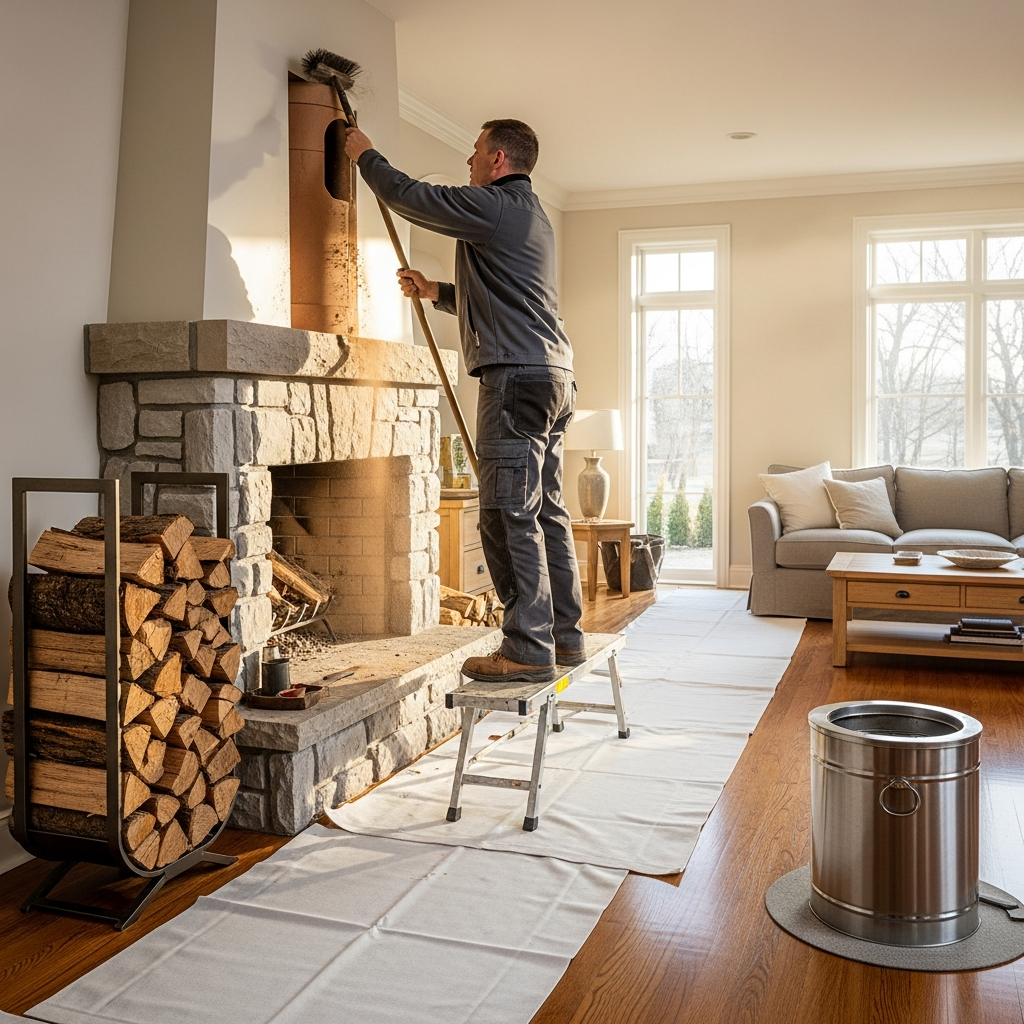
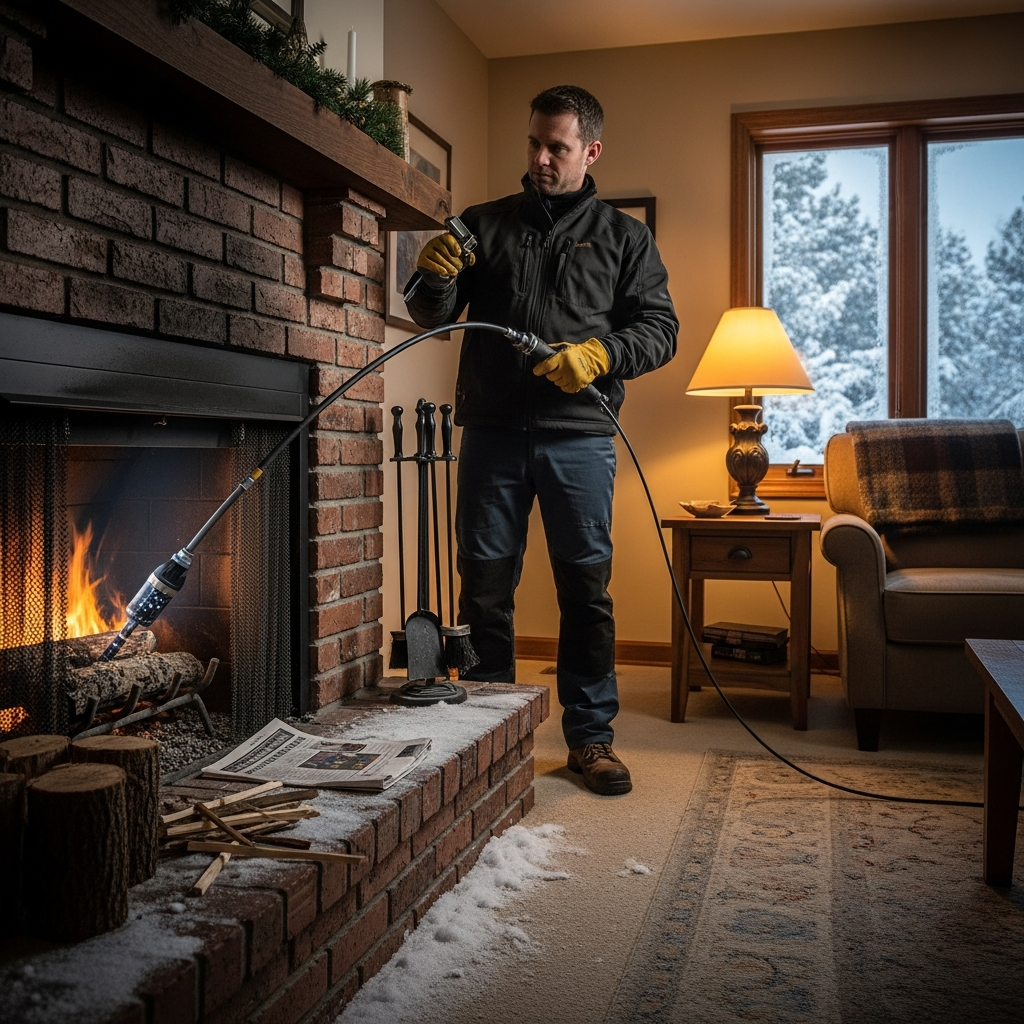
A strong seasonal inspection begins with a conversation about your appliance, fuel, and usage. The inspector reviews the firebox or stove, the smoke chamber or connector, and accessible flue sections from both top and bottom as conditions allow. Exterior elements—crown, cap, chase cover, and flashing—receive careful attention, because moisture management is the frontline defense against winter damage. Where warranted, a video scan examines the flue interior to spot gaps, offsets, or seam wear that could compromise performance when temperatures drop.
Documentation brings clarity. Photos and notes link observations to practical recommendations so you know exactly what to do before the coldest days arrive. That might include addressing a crown that sheds water poorly, confirming clearances for a new insert, or planning a follow-up cleaning if residue obscures the flue during a camera scan.
Denver-specific insights that make a difference
Front Range winds, often strongest on clear, cold days, create suction and pressure zones around chimneys. The best inspectors know how these patterns interact with your roof geometry and nearby trees or structures. They consider wind exposure when evaluating termination heights, cap designs, and spark arrestor screening. They also account for altitude-related draft characteristics that affect startup and sustained burns in both wood and gas appliances. This local awareness translates into recommendations that feel “just right” on the first real cold snap.
Neighborhood context plays a role. In West Highland and Platt Park, older brick chimneys may show mortar wear exacerbated by winter moisture. In newer neighborhoods, factory-built systems depend on secure chase covers and properly flashed terminations to keep snowmelt out of the structure. In foothills-adjacent areas, wildlife can be active even in cold months, so screening and cap integrity remain essential.
Timing your inspection for winter success
While fall is the busiest season, planning your inspection in late summer or early autumn gives you the best chance to address any recommendations before the first deep freeze. If snow arrives early, don’t panic: many elements can still be assessed safely, with any roof work scheduled for dry, stable conditions. The key is to begin the conversation early so you aren’t waiting for a clear day when you want to be lighting the first fire of the season.
How to prepare your home
Preparation is straightforward. Clear the hearth and surrounding area, and let the inspector know about any changes since last winter—new roofing, a remodeled mantle, or an appliance upgrade. If your furnace or water heater vents into a chimney, ensure access to mechanical rooms. Pets should be secured comfortably, as doors may open for equipment. These small steps keep the visit focused and efficient.
Common winter red flags
Look for a few subtle signals as temperatures drop. Smoke that lingers or curls into the room on startup can suggest draft or clearance issues. A faint campfire odor on humid days may point to negative pressure or residue. On the exterior, white mineral deposits on brick or rust streaks on a chase cover indicate moisture reaching places it shouldn’t. Any of these signs warrant a prompt look so you can keep enjoying your fireplace safely all season long.
Why a clear report matters during the cold months
When the weather turns, you want straightforward guidance. A clear report explains what is cosmetic, what protects the structure, and what protects your household’s safety. It prioritizes actions in a sequence you can follow without disrupting your winter plans. And because it includes photos and precise notes, it helps any roofer or mason address exterior items efficiently when the weather allows.
Follow-up after repairs or upgrades
If you complete repairs or install a new insert, a post-project verification ensures the work aligns with the rest of the system and performs as expected under winter conditions. This extra step gives you confidence that everything is dialed in for draft, clearances, and weather protection.
For many homeowners, scheduling a preseason review becomes an annual ritual. It’s a small investment of time that pays off in cozy evenings, fewer surprises, and a safer home. If you’re ready to plan for the season, start with a Denver chimney inspection and build from there.
FAQ
Do I need a special winter inspection if I had one last spring? A spring inspection is an excellent head start. If significant weather or system changes occurred since then, a quick seasonal check can confirm everything remains ready for winter. Otherwise, your spring report may already have you covered.
Will the inspector go on the roof if it’s snowy? Safety comes first. If roof conditions are unsafe, the inspector may reschedule exterior access while still completing interior assessments. Clear weather ensures the best documentation and safest roof work.
What if I use my fireplace only a few times each winter? Even light use benefits from periodic inspections. Residue can still form, and wind-driven moisture can still find pathways. A pre-winter review catches issues early so you can enjoy those fires without worry.
Can an inspection help with smoke on startup? Yes. Inspectors evaluate draft factors, clearances, and termination heights that influence startup behavior. They can recommend practical adjustments tailored to Denver’s climate and your specific appliance.
How quickly can I schedule during peak season? Early booking offers the best options. During the busiest weeks, reputable companies will still communicate clearly about timelines and may suggest interim steps to keep you comfortable until a full visit is completed.
Make this winter your safest yet
If you want a warm, worry-free season, book a professional chimney inspection with a Denver specialist who understands winter’s unique demands. With a thorough review and clear guidance, you’ll be ready for those crisp evenings and snow-filled weekends—confident that your system is prepared to perform.