
Why Inspections Matter for Every Denver Property
In Denver, the benefits of regular chimney inspections reach far beyond the hearth. They touch safety, comfort, property value, and even neighborly peace on crisp evenings when many homes across the city light their first fires of the season. Whether you own a classic brick bungalow in West Highland, a modern townhome near Union Station, or a rental duplex in Baker, the chimney is part of a larger system that moves smoke, heat, and moisture through your structure. A professional chimney inspection translates that complexity into clear information, helping you maintain a dependable, efficient home.
Think of an inspection as a health check for components that are hard to see but critical to trust. The best visits catch small issues before they grow, provide insight into seasonal performance at altitude, and offer documentation you can use for maintenance planning, insurance conversations, and, for landlords, tenant communication.
Safety First: Protecting People and Property
Every benefit list should start with safety because it underpins all the others. In wood-burning systems, inspections look for creosote levels, tile joint integrity, and smoke chamber conditions, each of which can influence the likelihood of a chimney fire or smoke spillage. In gas systems, inspectors confirm proper venting, verify that safety shutoffs function, and check for corrosion that could impair performance. The result is straightforward: you know where your system stands before the coldest nights arrive.
Safety also involves exterior elements that guard your home against weather. Crowns, caps, and flashing work together to shed water and block wind-driven debris. When these components are compromised, moisture can penetrate and damage surrounding materials. An inspection documents their condition and sets priorities so that routine maintenance stays on schedule rather than becoming urgent repair.
Performance and Comfort at Altitude
Denver’s thin air changes how fireplaces behave. Draft depends on temperature differences and column height, and both are influenced by our climate. Inspections that include a discussion of make-up air and home air sealing can transform frustrating smoky starts into clean-burning fires that warm quickly and evenly. For gas units, combustion analysis and venting checks ensure that the flame pattern and exhaust flow are within normal ranges for reliable, comfortable operation.
At altitude, small adjustments—like smoothing a rough smoke chamber or confirming the cap’s design suits windy block patterns—produce outsized results. The comfort benefit is something you feel immediately, and it’s often achieved through recommendations that are smarter and simpler because they are grounded in a precise understanding of your system.
Financial Confidence: Planning and Documentation
While it is tempting to view inspections as an expense, frequent Denver homeowners discover they function as a planning tool. A thorough report prioritizes what to address now, what to monitor, and what to budget for over the next few seasons. That kind of clarity prevents guesswork and supports confident decision-making for families and landlords alike. For rental properties, documentation proves especially valuable. It sets expectations with tenants, demonstrates diligence to property managers, and streamlines conversations with insurers if weather damage occurs.
In real estate transactions, inspection reports act as a neutral reference. Buyers and sellers benefit from having a shared, photo-rich document that focuses on facts rather than opinions. Deals move forward more smoothly when both sides can see exactly what was observed and why certain actions are recommended.
Protecting Historic Character and Modern Aesthetics
Denver’s architectural mix is part of its charm. Inspections help preserve that character—whether it’s a century-old brick chimney that deserves careful maintenance or a sleek modern chase that should function as well as it looks. Historic masonry often reveals hairline crown cracks or mortar joints beginning to open, both of which can be addressed proactively. Factory-built systems in newer homes benefit from checks that confirm clearances, secure terminations, and proper routing through chases. In both cases, the benefit is the same: your home looks better for longer because hidden components are kept in good working order.
Additionally, inspections catch interactions between older fireplaces and modern renovations. Tight windows, powerful range hoods, and added insulation all change the pressure balance inside a home. Discussing make-up air and venting adjustments during an inspection can prevent smoky rooms and odors that sometimes appear after efficiency upgrades.
Landlords: Safer Rentals, Happier Tenants
Owners of rental properties gain specific benefits from predictable inspections. First, scheduled visits establish a maintenance cadence that reassures tenants and reduces after-hours calls when the first cold snap arrives. Second, documented findings build a maintenance record that supports lease language about safe operation and appropriate use. When a tenant sees photos and a clear report, conversations shift from speculation to shared understanding.
Inspections also help property managers coordinate work with minimal disruption. By bundling inspections with other visits—filter changes, smoke alarm checks—you create efficient service windows that respect tenants’ time while keeping the home in top condition. That professionalism is a quiet but powerful way to retain good renters.
Environmental Considerations and Community Well-Being
Well-tuned fireplaces and stoves burn cleaner and more efficiently. While Denver enjoys many calm winter days, inversions do occur and can hold smoke lower than usual. Keeping your system in top shape reduces visible emissions and odors, which matters not only for air quality but for neighborhood goodwill. Inspections that include advice about fuel quality and burning practices give you the tools to minimize impact while enjoying the warmth and ambience you love.
Gas systems benefit similarly from routine checks. Proper combustion reduces the likelihood of nuisance odors and ensures that exhaust leaves the home safely and consistently, even during high wind events that are common along the Front Range.
Resilience Against Weather and Wildlife
Our seasonal swings test exterior components. Spring storms and summer hail can nick crowns and loosen screens; fall winds challenge caps and spark arrestors; winter snowmelt introduces moisture where you least want it. Regular inspections are your early warning system, catching small vulnerabilities before they lead to interior staining or damaged masonry. For homes near greenbelts and mature trees, screens and caps also serve as a deterrent to nesting wildlife, which can become a surprising obstruction if left unchecked.
After the occasional extreme weather event, an inspection provides a calm, systematic way to verify that your system is still sound. That reassurance means you can light the next fire with confidence.
What a Good Visit Looks Like
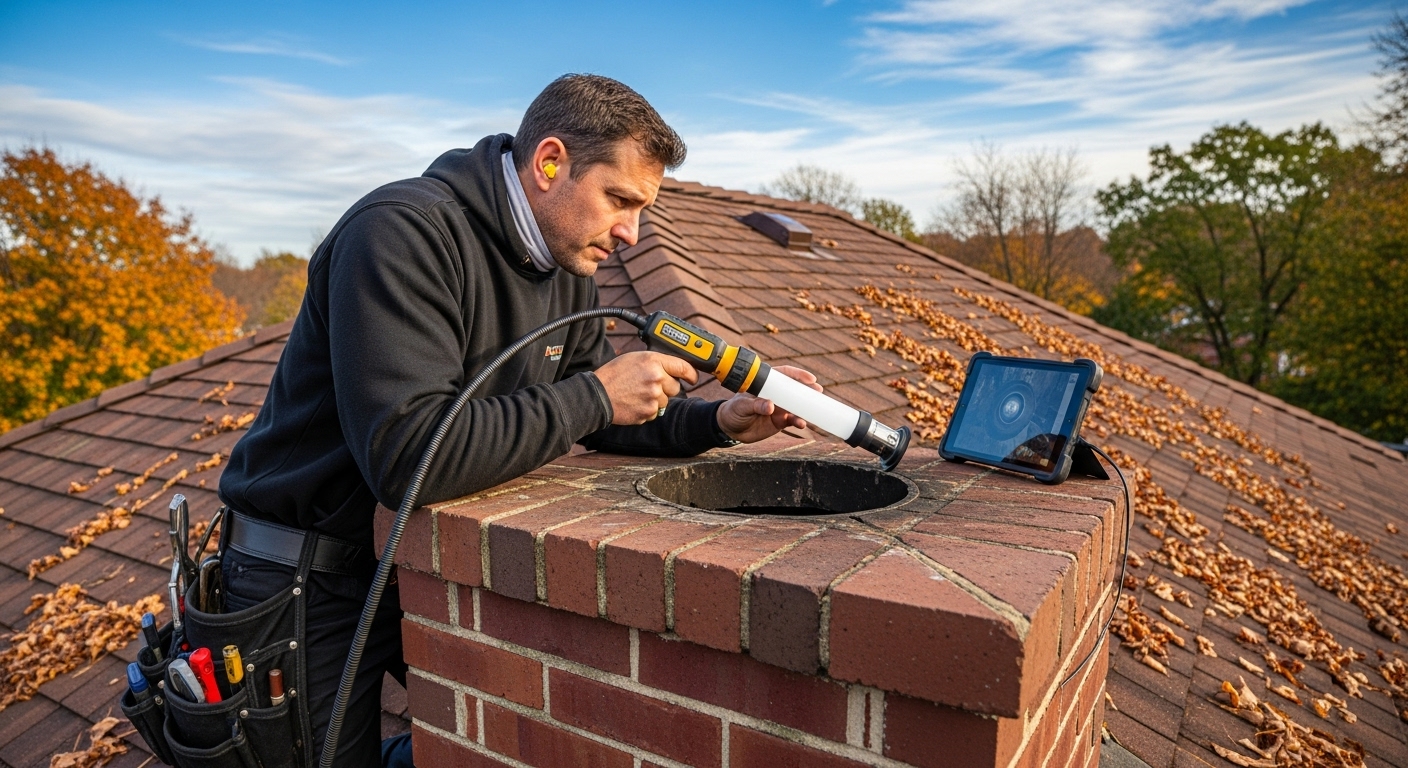
Expect floor protection, careful handling of tools, and clear communication about what will be examined. An inspector will assess accessible interior components, run cameras through flues as appropriate, and evaluate exterior elements from the roof or with suitable alternatives when conditions require. The most valuable moment often comes at the end, when photos appear and the conversation turns to practical next steps. That shared understanding is the core benefit: instead of wondering, you know.
In this sense, an inspection is less about pointing out problems and more about building a plan. Homeowners and landlords leave the visit with priorities, timelines, and a sense of what normal looks like for their specific system at altitude.
Frequently Asked Questions
Q: How often should Denver homes and rentals be inspected?
A: Annual inspections are a smart baseline, even for gas systems that see light use. Our weather, wildlife, and building dynamics can change conditions within a year. Regular visits keep you ahead of those shifts.
Q: What are the top benefits for landlords?
A: Predictability and documentation. Scheduled inspections reduce emergencies, create a clear record of care, and improve tenant communication. They also make it easier to plan maintenance budgets and coordinate with property managers.
Q: Do newer homes still need inspections?
A: Absolutely. Factory-built systems and direct-vent gas appliances have specific clearance and venting requirements. Verifying those conditions annually keeps performance consistent and protects warranties and safety.
Q: Will an inspection disrupt tenants?
A: With clear scheduling and access instructions, visits are brief and respectful. Preparation, such as securing pets and clearing paths, minimizes disruption. Many property managers bundle inspections with other routine checks for efficiency.
Q: Can an inspection improve fireplace performance?
A: Yes. By identifying rough smoke chambers, cap issues, or make-up air imbalances, inspectors can recommend targeted adjustments that lead to cleaner starts and more comfortable heat.
Q: What kind of report should I expect?
A: A clear, photo-supported report that separates observations, implications, and recommended actions. For rentals, share a summary with tenants so everyone knows how to use the system safely.
Make the Most of Your Next Visit
The best time to act is before peak season, when schedules are flexible and there’s time for any follow-up work you choose to pursue. If you want the safety, comfort, and documentation benefits for your Denver home or rental, schedule a chimney inspection with a local team that understands our altitude, architecture, and weather. A thoughtful appointment today makes every winter evening more enjoyable and every property you manage easier to maintain.