Why Credentials Matter in Denver’s Unique Conditions
In Denver, where sudden snow squalls can give way to bluebird skies in a single afternoon, your chimney works hard across the seasons. That variability makes the inspector’s training more than a credential on paper—it is the foundation of trustworthy advice. When you hire a professional for a chimney inspection, you are inviting someone to evaluate how heat, smoke, gas, and moisture move through your home’s structure. Verifying their certification, training, and insurance isn’t red tape; it is the way you ensure the person in your living room is equipped to interpret what they see and stand behind the report you receive.
Certification signals a commitment to standards, continuing education, and ethical practice. But certification alone is not the entire picture. For a city like ours, with historic masonry in the core and modern venting systems in growing suburbs, you want a professional who blends book knowledge with local field experience. That combination is what transforms an inspection from a checklist into a reliable plan for safety and performance.
Certification Basics: What to Look For
Reputable inspectors pursue nationally recognized training that covers combustion, venting science, building clearances, and safety protocols. The specifics range from traditional masonry knowledge to factory-built system standards. Ask not only whether a certification is current, but when it was last renewed and what continuing education was completed. In fast-evolving areas like gas appliance venting and camera-based diagnostics, recent coursework matters.
Beyond technical curricula, some programs emphasize ethics and reporting standards, ensuring that recommendations are presented with clarity and integrity. That matters when inspections intersect with real estate negotiations or insurance claims. A well-trained inspector knows how to write findings that are understandable and actionable, not sensational or vague.
Local Experience and Code Familiarity
Denver’s altitude and climate influence how chimneys behave. Thin, dry air changes draft dynamics, and freeze-thaw cycles test crowns and mortar in ways that differ from coastlines or humid regions. Seek an inspector who can explain how these local factors affect your chimney specifically. Ask how many chimneys they assess annually in the Denver metro area and which neighborhoods they see most often; this simple question reveals whether they truly understand the local building stock.
Another essential is familiarity with regional codes and typical construction practices. From the way older bungalows were lined (or not lined) to how modern townhomes route direct-vent systems through chases, local patterns influence what the inspector expects to find and how they recommend solutions. That context shortens the path from problem to practical fix.
Insurance, Safety Training, and Company Policies
Proper insurance protects everyone. Verify that the inspector’s company carries liability and, when applicable, workers’ compensation coverage. Ask about safety training in ladder use, fall protection, and confined-space awareness. On Denver’s varied rooflines, safety is a discipline, not a slogan, and it directly affects the quality of the inspection. Technicians who feel confident in their safety procedures can spend their energy where it belongs—carefully observing and documenting your system.
Company policies also reveal professionalism. How do they handle weather delays? Do they provide floor and dust protection inside the home? What is their policy on sharing photos and video? Straightforward answers here translate into a smoother experience on the day of your appointment and more useful documentation afterward.
Tools and Techniques: Are They Up to Date?
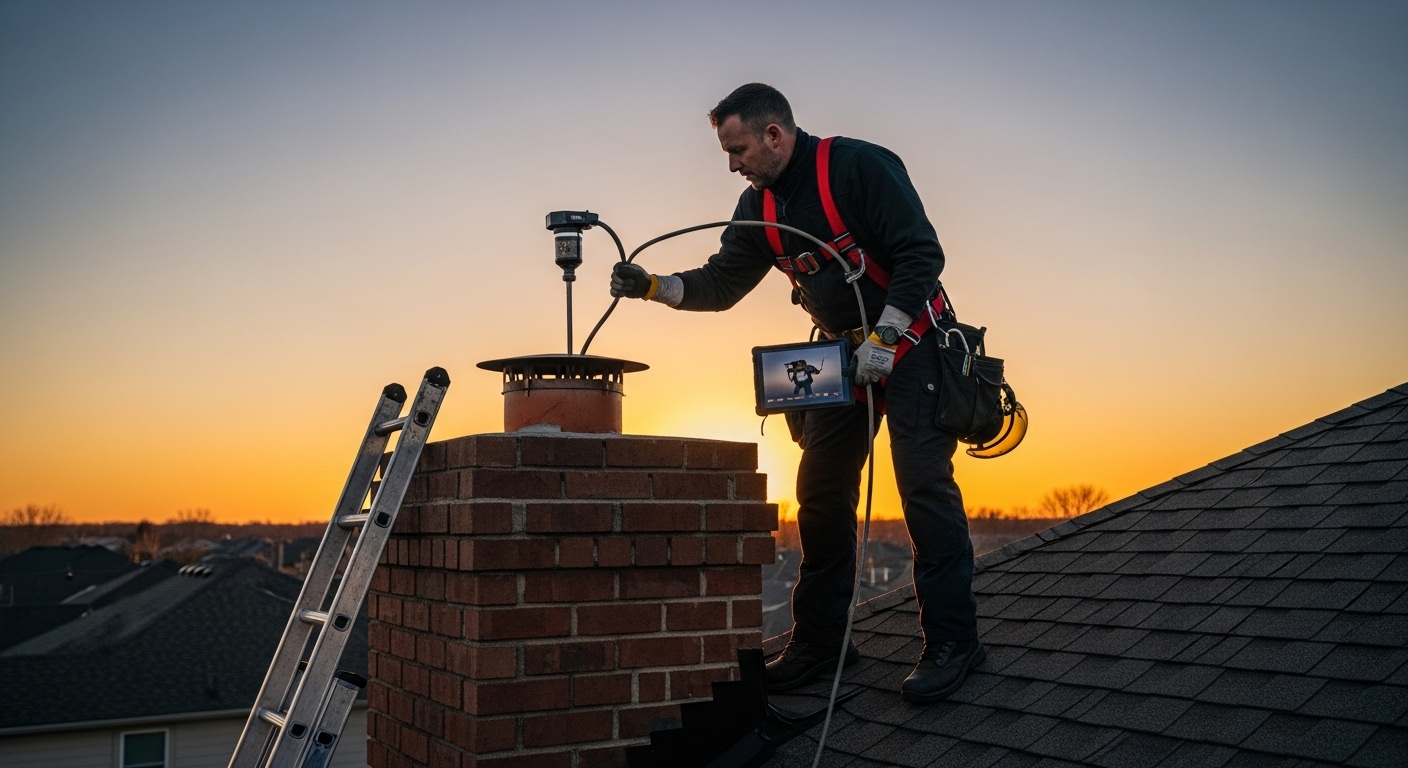
Modern chimney evaluations rely on specialized cameras, bright lighting, and, for gas appliances, combustion analysis instruments. Ask what equipment will be used during your inspection and how images will be shared. Clear, high-resolution photos and labeled video stills prove invaluable when you review your report or discuss next steps with a contractor. The more precisely your inspector can demonstrate what they found, the more confident you can be in the recommendations.
In some situations, limited exterior drone imagery can supplement the rooftop view when conditions make direct access unsafe. While not always necessary, knowing that your provider has options reflects a thoughtful approach to thoroughness and safety.
Reporting That Stands Up in Real Conversations
In our market, inspection reports often move beyond the homeowner’s inbox to the desks of real estate agents, buyers, or insurance adjusters. This is where certification and training truly prove their worth. Look for reports that separate observations from implications and recommendations, use standardized language where appropriate, and provide clear photos. A disciplined report prevents misunderstandings and keeps everyone focused on facts rather than assumptions.
Timeliness matters as well. Receiving a report promptly, while the visit is still fresh, helps you make decisions efficiently—whether that means enjoying your fireplace with new confidence or planning follow-up maintenance while the weather cooperates.
Professionalism in the Home
Credentials should show up in the way an inspector treats your home. Floor protection, careful tool placement, courteous communication, and a step-by-step walk-through of findings are hallmarks of a pro. After years of helping Denver homeowners, I can tell you that the most appreciated moment is often the conversation at the end of the visit, when photos come out and the inspector explains not just what is present, but why it matters. The ability to translate technical observations into everyday language—that’s a skill honed in training and tested in homes like yours.
Professionalism also includes setting realistic expectations. If a rooftop is icy, a responsible company will postpone the exterior portion, complete the interior work, and return as soon as conditions allow. That discipline is part of what you are investing in: a team that prizes thoroughness and safety above rushing through.
How to Verify Before You Book
Verification is straightforward. Ask for the inspector’s full name and company, then confirm their credentials and insurance documentation. Request a sample report to understand the level of detail you can expect. Inquire about recent continuing education topics; the answer will tell you whether they are keeping pace with evolving technologies and standards. Finally, ask how they approach different inspection levels and what would trigger a recommendation for a more in-depth evaluation. Clear, confident responses indicate a professional who can adapt to your home’s needs.
You can also learn a lot by explaining your goals—whether that’s preparing for a sale, confirming safe operation after a remodel, or addressing performance concerns—and then listening to how the inspector proposes to proceed. A tailored plan beats a generic checklist every time.
Real-World Scenarios: When Certification Makes the Difference
Consider a historic brick home in Congress Park where the owner smelled smoke on windy nights. A certified inspector with strong local experience recognized signs of a rough smoke chamber and a mis-sized flue for the appliance. Clear documentation turned uncertainty into specific steps, and the homeowner moved forward with confidence. In another case, a modern townhome with a gas fireplace showed intermittent shutoffs. The inspector used combustion analysis and a careful visual check of venting transitions to pinpoint the issue, preventing guessing and unnecessary replacements. In both cases, training and tools translated directly into better outcomes.
These are the kinds of stories that underscore why credentials matter. In Denver’s varied housing stock, there is no substitute for a professional who knows what to look for and how to present it clearly.
FAQ: Your Certification Questions Answered
Q: What certifications should a Denver chimney inspector have?
A: Look for nationally recognized credentials that cover combustion, venting, and safety. Ask about renewal dates and continuing education. The combination of current certification and local experience is the sweet spot for dependable guidance.
Q: How can I verify an inspector’s credentials?
A: Request the inspector’s full name and company, then confirm status directly with the issuing body. Ask for proof of insurance and a sample report to gauge professionalism and clarity.
Q: Do certified inspectors use cameras during every inspection?
A: Camera use depends on the level of inspection and access conditions, but high-quality imaging is standard practice when assessing internal flues. Your inspector should explain when and why a camera will be used and how images will be shared.
Q: Why does local experience matter if the inspector is certified?
A: Certification supplies the framework; local experience fills in the practical details. Denver’s altitude, weather, and construction patterns influence draft and durability. A local expert understands those nuances and tailors recommendations accordingly.
Q: What should a professional report include?
A: Clear observations, labeled photos, practical implications, and prioritized recommendations. The best reports stand up in conversations with buyers, agents, and adjusters, reducing confusion and delays.
Q: How soon should I expect my report?
A: Prompt delivery is a sign of professionalism. Many providers deliver within a short window after the visit so you can act while conditions and details are fresh.
Move Forward with Confidence
If you want a clear, reliable evaluation from a professional who pairs recognized training with Denver-specific experience, schedule your next chimney inspection with a team that values credentials, safety, and communication. When the right people bring the right tools to your home, you receive a report you can trust and a plan you can follow—season after season.