
Why the Scope of a Denver Inspection Changes from Home to Home
When neighbors ask what affects the cost of a Denver chimney inspection, the honest answer is that the work adapts to the home, the roof, the appliance, and the weather. In practice, that means one visit might involve a straightforward camera pass through a single flue, while the next requires safety rigging, multiple access points, and careful documentation for a pending home sale. If you’re looking for the most practical way to plan, focus on the scope—what must be examined, how it will be accessed, and what level of reporting you need. That mindset will help you compare providers more effectively than fixating on a number, because the real value lies in the completeness and reliability of the evaluation, not the line item itself. And if you are just starting to plan, scheduling a chimney inspection early in the season gives you the widest options for timing and follow-up.
Denver’s altitude and climate introduce variables other regions rarely see. The freeze-thaw cycle affects crowns and mortar, intense sun breaks down sealants, and gusty afternoons can rattle caps that seemed sturdy in calmer climates. Inspectors account for those realities. Understanding how all of these details influence the workload will help you anticipate what might be required at your property.
Access and Safety Considerations on Denver Rooflines
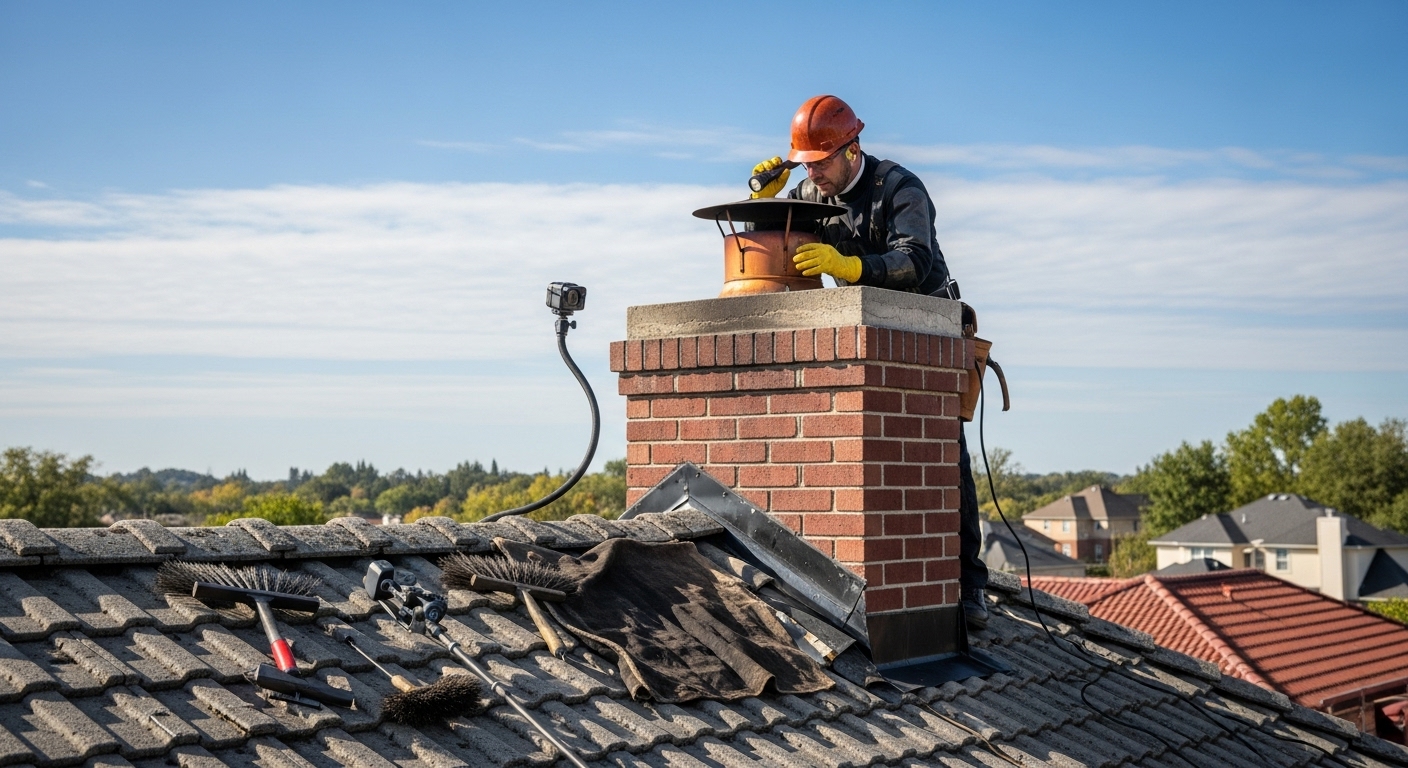
Nothing shapes the duration and complexity of an appointment quite like roof access. A steep pitch, a tall two-story profile, or limited ladder footing along narrow side yards in urban neighborhoods can necessitate special ladders, tie-offs, and additional personnel. Those measures aren’t extras—they’re the responsible way to ensure a safe, thorough look at exterior components. Chimney height above the roofline also plays a role; the higher the stack, the more time is needed to place ladders and secure the workspace.
Weather compounds the access challenge. A dusting of snow on a cool morning can linger on shaded north faces, delaying exterior checks until conditions are safe. Seasoned Denver inspectors plan around these windows and communicate clearly, building any necessary adjustments into the visit so that the interior review still proceeds efficiently. The coordination and care you experience are part of what drives the scope of work.
Type of System: Wood-Burning, Gas, and Everything Between
Inspection protocol shifts with the appliance. Wood-burning fireplaces demand attention to flue tile joints, smoke chamber parging, and the condition of the firebox. Wood stoves and inserts add manufacturer-specific clearance requirements and liner compatibility checks. Gas fireplaces, while cleaner, introduce combustion analysis, venting material assessments, and verification of safety shutoffs. Mixed systems—say, a wood-burning fireplace upstairs and a gas insert below—require separate runs and documentation for each path.
Direct-vent and factory-built units call for careful inspection of chase enclosures, termination caps, and transitions as they navigate building cavities. In townhomes and condos, shared chases or roof penetrations require building-specific coordination. Each of these elements expands the checklist and defines how much time and expertise are necessary.
Age and Construction of the Home
Denver’s older neighborhoods are full of charm—and idiosyncrasies. Chimneys built with historic techniques may have irregular liners or none at all, smoke chambers with rough corbelling, and mortar that has stiffened or eroded over decades. A thoughtful inspection here prioritizes documentation of what exists and explains implications relative to modern safety standards. Newer homes, while built to contemporary codes, sometimes present different challenges: tight building envelopes that affect draft, engineered flues with specific service requirements, or cosmetic chases that conceal transitions. Both scenarios call for tailored evaluation.
Remodels complicate matters further. If a basement finish boxed in a cleanout or a kitchen renovation rerouted combustion air, inspectors must trace those changes and confirm that what looks tidy still functions safely. Understanding as-built realities versus original design is a major factor in how long an appointment takes and how detailed the final report must be.
Level of Documentation and Reporting Needs
Not all reports serve the same purpose. If you are simply keeping annual maintenance on track, a concise summary with photos might be perfect. But if you are entering a purchase contract, negotiating credits, or working with an insurer after a storm, you will want a more robust report that explicitly connects observations to safety and performance implications. Producing that level of clarity demands methodical imaging, standardized language, and careful cross-referencing to relevant standards. The result is a document that holds up in real conversations with buyers, adjusters, and contractors.
Think of reporting as the part of the inspection that keeps paying dividends. A well-written report prevents miscommunication, supports smarter budgeting, and reduces the risk of unnecessary work. That value shows up months or even years later, long after the appointment is over.
Technology and Tools Brought to the Job
Modern inspections are surprisingly technical. Flexible camera systems that navigate offsets, bright lighting for deep flues, moisture meters for adjacent building materials, and combustion analyzers for gas units all work together to produce accurate conclusions. Some properties benefit from limited drone views when roof access is constrained, though traditional methods remain standard when conditions allow. The selection and skillful use of tools largely determine the quality of what is found and how confidently recommendations are made.
The nuance here is that the goal is not more gadgets for their own sake, but the right tools for the challenge your home presents. Better tools tighten the feedback loop between symptom and cause. When an inspector can show you a photo of a hairline crown crack or a misaligned tile and explain its real-world impact, decisions about next steps become far simpler.
Seasonal Demand and Timing
As fall approaches, demand ramps up and calendars fill quickly. If you schedule in mid-summer or spring, you often find more flexibility and time to address any follow-up before cold sets in. In the heart of winter, icy conditions can delay roof work, though interior assessments continue. Good communication here is everything. When you understand how seasonality affects access and sequencing, you can set realistic expectations and keep your plans on track. For many households, booking a chimney inspection as part of a broader seasonal home tune-up becomes a calm, predictable ritual rather than a last-minute scramble.
Rental properties and vacation homes add another layer. Coordinating with tenants or cleaning services, navigating HOA guidelines about roof access, and documenting findings for property managers extend the administrative side of the job. That organization time is part of the overall effort and ensures everyone involved has clear information.
Common Denver Findings That Shape Recommendations
Across the metro area, inspectors frequently encounter crown deterioration from sun exposure, caps with worn screens after windstorms, mortar joints starting to open in older tile liners, and smoke chambers that would benefit from smoothing to improve draft. For gas units, mildly corroded terminations and improperly supported vent sections are recurring themes. None of these discoveries are unusual or cause for alarm when they are identified early. The value is in learning exactly what exists in your system and what sequence of maintenance will keep everything safe and efficient.
Altitude-related draft behavior is another Denver-specific theme. Tight homes can experience negative pressure that competes with the chimney’s pull, especially when kitchen hoods or bath fans run. Inspections that include a discussion of make-up air can eliminate frustrating smoky starts and ensure your system behaves predictably even on very cold mornings.
How to Prepare and What to Expect
On inspection day, clear a pathway to the hearth and avoid burning for at least 24 hours so the system is safe to handle. Expect dust protection, careful ladder placement, and a walk-through of findings before your inspector leaves. Afterward, set aside time to review the report while the visit is fresh in your mind. Ask questions until you can explain the results in your own words; that’s the best test that the documentation truly serves you. This collaborative approach transforms a technical appointment into practical confidence about your home.
If additional work is suggested, prioritize safety first, performance next, and appearance last. That sequence keeps you focused on what matters most, and it aligns well with how insurers and real estate professionals evaluate chimney-related items during transactions.
FAQ: Answers to Common Questions
Q: Why do two similar-looking homes receive different inspection recommendations?
A: Behind the walls, systems often differ. A shared flue, a past remodel, or a subtle change in appliance type can require different inspection levels. What seems identical from the curb isn’t always the same inside the chase or flue.
Q: Do gas fireplaces really need annual inspections?
A: Yes. While they produce less soot, they rely on precise venting and safe fuel delivery. Annual checks verify combustion quality, ensure clearances to combustibles, and confirm that safety features function as intended.
Q: Can weather cancel my appointment?
A: Rooftop work may be delayed by snow or ice, but interior assessments typically proceed. Reputable companies communicate early and reschedule safely while keeping momentum on your project.
Q: What kind of report should I expect?
A: A thorough report includes clear observations, photos, and practical implications. If the purpose is a real estate transaction or insurance claim, request expanded detail and standardized language so your documentation stands up in those contexts.
Q: How long does an inspection take?
A: Duration depends on access, number of flues, and level of detail required. A simple single-flue review is faster than a multi-flue, multi-appliance home with roofline challenges. The priority is thoroughness over speed.
Q: What should I tell the inspector before they arrive?
A: Share any drafts, odors, or performance quirks you’ve noticed, plus details about remodels or appliance changes. Your observations are clues that help target the most relevant parts of the system.
Plan Your Next Step with a Denver Pro
If you’re ready to understand exactly what your home needs and why, reach out to a local specialist who will tailor the scope to your property and provide documentation you can rely on. Get ahead of the season and schedule your chimney inspection today so you can head into colder weather confident that your system is safe, efficient, and ready for the first fire of the year.