
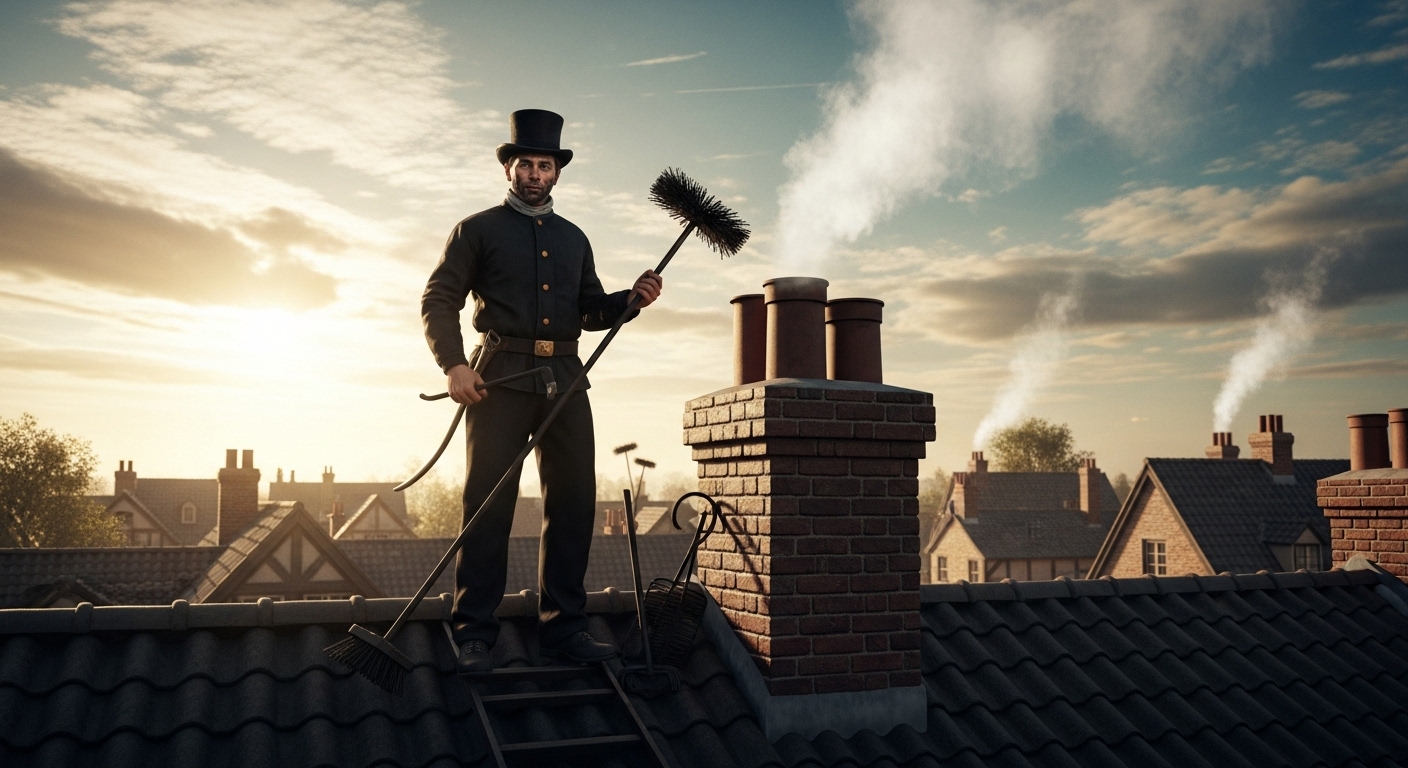
When you live along the Front Range and your fireplace anchors family gatherings through chilly autumn evenings and snow-bright winter mornings, you want to know exactly what will happen when you schedule a chimney sweep. In Denver, the variables are a little different than in many other cities. The altitude changes how chimneys breathe, the dryness of the air influences how wood burns, and the wide swings between sunny afternoons and sudden cold snaps affect masonry, metal, and sealants. Understanding how a professional approaches the work helps you plan, protect your home, and keep that cozy flame drawing clean and steady all season long.
As a local, I’ve spent many mornings brushing frost off caps in Park Hill, afternoons navigating steep pitched roofs in Greenwood Village, and early evenings talking draft diagnostics in Hilltop bungalows. The rhythm of a well-run appointment is fairly consistent, even if every chimney tells a different story. When you’re choosing a chimney sweep in Denver, you’re not just inviting in someone to remove soot; you’re trusting a specialist to evaluate safety, airflow, and the health of a system that passes fire and smoke through the center of your home. That perspective shifts the conversation from a routine task to a vital piece of seasonal home care.
What to expect during a Denver chimney sweep appointment
Most appointments begin with a discussion at the hearth. The technician will ask about how frequently you burn, what kind of fuel you use, any odors or smoke spillage you’ve noticed, and whether there have been changes since the last service. From there, drop cloths and containment come out to protect flooring and furnishings. Modern vacuums with HEPA filtration, rotary brush systems, and flexible rods make the work efficient and clean. The technician will address the firebox, throat or smoke chamber, flue, and damper, adjusting methods based on whether your system is masonry, prefabricated, or a wood stove connected to a liner.
Because Denver sits above 5,000 feet, the combustion profile inside your appliance and the draft behavior inside the flue can differ from similar systems at lower elevations. That means attention isn’t only on removing deposits; it’s also on reading the chimney. A conscientious pro looks at the pattern of soot, the sheen and flakiness of creosote, and the way light plays on the flue walls. These clues help identify burn habits, airflow restrictions, or potential damage. Expect careful notes and photos, plus a walk-through that connects what the technician saw with what you experience when you light a fire.
Seasonal realities unique to the Mile High City
Our winters can swing from powdery snow to bright sun in the same week. Masonry expands and contracts, crowns see freeze-thaw cycles, and metal caps take a beating from gusty winds sweeping off the foothills. When a sweep evaluates your system, these environmental forces inform recommendations. A tiny crown fissure in September can become a water pathway by February, and a bit of surface rust on a cap in early fall can fast-track to deterioration by spring. The goal is to catch the small issues before they become larger problems that impact performance and safety.
Denver’s dryness also interacts with how your firewood seasons. Well-seasoned wood burns hotter and cleaner, but in our climate, it can sometimes dry unevenly indoors and outdoors. Soot patterns can reveal this. Your technician may talk about where you store wood, how long it rests, and how a moisture meter reading correlates with the residue found. This isn’t about lecturing; it’s about tailoring habits to a climate that can be deceptively hard on fireplaces even when the fires themselves seem predictable and tame.
Time on site and the flow of work
Every home is different, and time on site reflects that. A straightforward appointment in a single-story ranch with easy roof access differs from a multi-story home with a steep pitch and a complex chase. Expect a steady pace rather than a rushed sprint. Where some projects call for a quick brush-and-go approach, others invite extra detective work: a damper that suddenly sticks after the first cold snap, a draft that falters when the kitchen range hood runs, or an odor that intensifies on warm days after a storm.
The technician will typically move from the firebox upward, but they’ll also likely step outside to examine the exterior stack, crown, cap, and flashing. In a neighborhood like Washington Park, where historic chimneys carry character and age, the inspection sometimes reveals heritage details—old parging in the smoke chamber or unique brick patterns—that influence maintenance choices. The best outcome is a clear plan you understand, with photos that translate technical talk into a straightforward story of your chimney’s condition.
Safety, cleanliness, and respect for your home
It can be nerve-wracking to invite brushes, vacuums, and rods into a living room you keep carefully arranged. A thoughtful sweep treats your home like a jobsite and a living space simultaneously. Floor protection is laid first, hose runs are planned to minimize obstacles, and tools are prepared before work begins to limit time moving in and out. During winter, muddy boots are swapped for clean covers, and any ash or debris is contained from the moment the firebox opens. When the vacuum flips on and the brushing starts, the equipment captures fine particles that would otherwise drift. After the cleaning, the technician wipes down contact points, replaces screens and doors, and leaves the hearth tidy.
Homeowners often ask whether soot will escape or odors will linger. The practical answer is that with the right equipment and technique, your living room should look and smell the same as when the sweep arrived—except cleaner in the areas you can’t see. If a particular system produces strong smells in summer, that’s typically a sign of airflow imbalances or creosote characteristics, both of which can be addressed through technique and recommendations tailored to your setup.
Understanding scope and how professionals communicate it
In a city as varied as Denver—from new builds in Central Park to century-old homes in Capitol Hill—chimneys have backstories. A professional earns your trust by connecting the service you receive with the history and usage of your system. That means transparent notes about the level of creosote found, whether the smoke chamber needs smoothing or repair, and whether the cap and crown are doing their job. The conversation should never feel like a mystery. It should sound like a guide explaining a trail before a hike, pointing out where footing is most secure and where you should slow down.
Halfway through the season, many homeowners are surprised by how quickly deposits can build after a few festive weekends of heavy burning. That’s why it’s helpful to schedule proactively, especially before the first real cold snap of November. Somewhere in the middle of your maintenance planning, it’s wise to reconnect with a trusted provider. If you’re comparing schedules or trying to fit an appointment into a busy week, reaching out to a professional chimney sweep service mid-season can save you the stress of last-minute bookings when winter storms roll in.
Altitude, draft, and performance
Altitude plays a quiet but significant role in how a fireplace drafts. With thinner air, your chimney needs a clear, smooth pathway to create the pressure difference that pulls smoke up and out. Even a modest roughness in the smoke chamber or a small obstruction at the cap can have an outsized effect on performance. If you’ve ever noticed a lazy flame or smoke curling back into the room, the remedy may be as simple as targeted cleaning and small adjustments, or it may involve fine-tuning the system to the realities of Denver’s air.
Draft isn’t just a vertical phenomenon. The way your home breathes matters. A new, tightly sealed window package or a high-powered kitchen hood can shift interior pressures enough to impact how the chimney behaves. A knowledgeable sweep will ask about recent renovations and ventilation systems because those details help explain what’s happening at the hearth. Once the picture is complete, recommendations make sense not as generic rules but as custom steps for your home.
Wood choices and burn habits
Ask ten people in Denver about their favorite firewood and you’ll get ten different answers: pinon for fragrance, oak for steady heat, maple for bright flames. Each species burns differently, and moisture content layers another variable. The residue pattern inside your flue is a record of those choices. When we talk about cleaning frequency, we’re really talking about how your daily decisions translate to the interior of the flue. Even the way you start a fire matters—small, hot kindling burns cleaner than thick newspaper bundles that smolder. These nuances are what separate a merely adequate fireplace experience from one that feels effortless every time you light a match.
One common Denver scenario involves a wood stove insert that performed beautifully for years, only to start smelling smoky on warm afternoons in July. The culprit is often a combination of summer airflow reversal and a bit of residue left after a heavy winter of burning. Targeted maintenance, plus good habits like cracking a nearby window briefly before lighting, can transform the experience. These practical, local tips are part of what you should expect from any technician worth their brush.
Communication after the sweep
At the end of the appointment, you should receive a debrief that goes beyond “you’re all set.” Clear, photo-backed notes help you visualize everything from the top of the flue to the tiniest hairline in the crown. If there are items to monitor, they should be explained in terms of what you’ll notice at the hearth and what a technician will check on the next visit. This is how incremental issues are caught early, which keeps your fireplace reliable through the longest cold stretch.
If the technician recommends additional work, such as smoke chamber detailing, minor masonry touch-ups, or cap replacement, the reasoning should connect directly to performance and safety. Denver’s climate doesn’t forgive deferred maintenance, so a plan you can trust is invaluable. The best pros won’t overwhelm you with jargon; they’ll help you make sense of how each component supports a smooth, safe burn when snow is falling outside.
Choosing the right local professional
The right fit often comes down to responsiveness, clarity, and a grounded understanding of our region. You want someone who has crawled attics in midwinter, who knows how wind whips across a particular ridge in Highlands Ranch, who has looked down enough flues to recognize the difference between an occasional odor and a sign of deeper trouble. Certifications and training matter, of course, but so does the commitment to ongoing learning and to treating your home like it’s their own.
Look for providers who explain their process before they start, protect your space, and invite your questions. The tone of the visit should be collaborative rather than transactional. You’ll learn a lot in a single appointment if the technician is a good communicator, and that knowledge will keep paying dividends every time you build a fire. When the first cold front sweeps down from the mountains and you’re ready to light the season’s first log, you’ll appreciate how much calmer it feels to know the system has been examined and serviced with care.
Frequently asked questions
How often should a fireplace be serviced in Denver’s climate?
Frequency depends on how often you burn and the type of system you have. Many Denver homeowners aim for annual service before winter, especially if they enjoy regular fires from October through March. If you burn heavily on weekends or run a wood stove daily during cold spells, you may benefit from a mid-season check. Altitude, wind exposure, and the species of wood you use can all influence how quickly residues accumulate. A professional who understands local conditions can tailor a schedule that suits your home and usage rather than applying a one-size-fits-all rule.
What signs suggest it’s time to schedule service soon?
Persistent odors, visible soot staining near the firebox, smoke that drifts into the room when you open the door, or a damper that doesn’t move smoothly are all good indicators. In Denver, another telltale sign can be stronger fireplace smells on warm afternoons following a snowstorm, which often means residues are interacting with shifting airflow. If you’ve recently upgraded windows or added a powerful exhaust fan, consider a check to make sure your fireplace and ventilation remain in harmony.
Does altitude change how a chimney should be evaluated?
Yes. Thinner air alters draft, which in turn affects how a technician reads soot patterns, identifies restrictions, and evaluates the overall system. A Denver-focused pro understands how freeze-thaw cycles affect masonry crowns, how wind patterns treat caps, and how household ventilation interacts with the flue. These local wrinkles mean evaluation goes beyond simple sweeping to include a holistic look at performance in our specific environment.
What’s included in a typical service visit?
Expect a protective setup, thorough brushing and vacuuming of the firebox, smoke chamber, and flue, inspection of the damper, and an exterior assessment of the stack, crown, cap, and flashing. You should receive photos, clear notes, and practical recommendations. If your system is a prefabricated unit or a wood stove with a liner, methods will adjust accordingly, but the core goals remain consistent: cleanliness, safety, and reliable draft.
Will my living room get dirty during the process?
With modern HEPA vacuums, containment, and careful technique, the process is remarkably clean. Technicians lay down floor protection, keep doors and screens organized, and handle ash with tools designed to keep fine particles from escaping. When done properly, your living room should look as tidy after the appointment as it did before, with the important difference that the hidden parts of your system are now cleaner and safer.
Can I reduce residue buildup with better firewood habits?
Absolutely. Choosing well-seasoned wood, storing it off the ground with airflow, and starting fires with small, hot kindling rather than slow-smoldering paper all help. In our dry climate, wood can seem seasoned but still hold interior moisture. A small moisture meter is a surprisingly helpful tool. Pair good wood with a few minutes of pre-warming the flue on very cold days—by holding a twisted newspaper near the throat, for example—and you’ll encourage a stronger, cleaner draft from the start.
What happens if the sweep finds damage?
You should receive a clear explanation and photos that show exactly what was discovered. Recommendations may range from minor touch-ups and smoke chamber smoothing to cap replacement or masonry repairs. The focus is on restoring performance and safety, not just checking a box. In Denver’s variable weather, addressing small vulnerabilities promptly prevents larger headaches down the line.
If you’re ready to schedule with a trusted local pro who understands the nuances of our climate, reach out to a team that treats your home with respect from the first phone call to the final walk-through. When you want reliability, clarity, and a warm fire that behaves beautifully, book a visit with a Denver chimney sweep today and settle into the season with confidence.