Townhome living in Denver blends the best of urban convenience with the warmth of a private hearth. Yet the very features that make townhomes appealing—shared walls, compact footprints, and HOA-managed roofs—also shape how fireplace care should be handled. If you are considering a fireplace chimney sweep in Denver, Colorado for townhomes, it pays to work with a provider familiar with the details of multi-unit properties. From coordinating roof access to navigating multi-flue chases and understanding venting interactions between adjacent homes, an experienced team delivers safe, clean results with minimal disruption to neighbors. The process begins with smart scheduling, respectful communication, and a thorough chimney sweep that accounts for your building’s specific design.
Townhomes across Denver come in many styles: classic brick rows near Capitol Hill, contemporary builds in Central Park and Lowry, and infill developments throughout Sloan’s Lake, Highlands, and Five Points. Some feature traditional masonry fireplaces with individual flues; others rely on factory-built, zero-clearance fireplaces inside framed chase enclosures. Gas fireplaces with direct-vent terminations at sidewalls or rooftops are common as well. The shared thread is proximity. Your fireplace does not exist in isolation, and the cues it gives—odors on warm days, sporadic smoke on windy nights, or a draft that behaves differently than it did last season—can be influenced by design decisions across the entire building.
How a townhome sweep differs from a single-family visit
The fundamentals—inspection, cleaning, and documentation—are the same, but access and diagnostics require extra coordination. Roof access often needs prior approval from the HOA or property manager, and technicians may need to move carefully across shared roofing surfaces to reach a termination or cap. Multi-flue chases can hide separate systems in a single vertical structure, and correct identification of the right flue is essential. Technicians label and photograph as they go, ensuring that the work performed corresponds exactly to your unit.
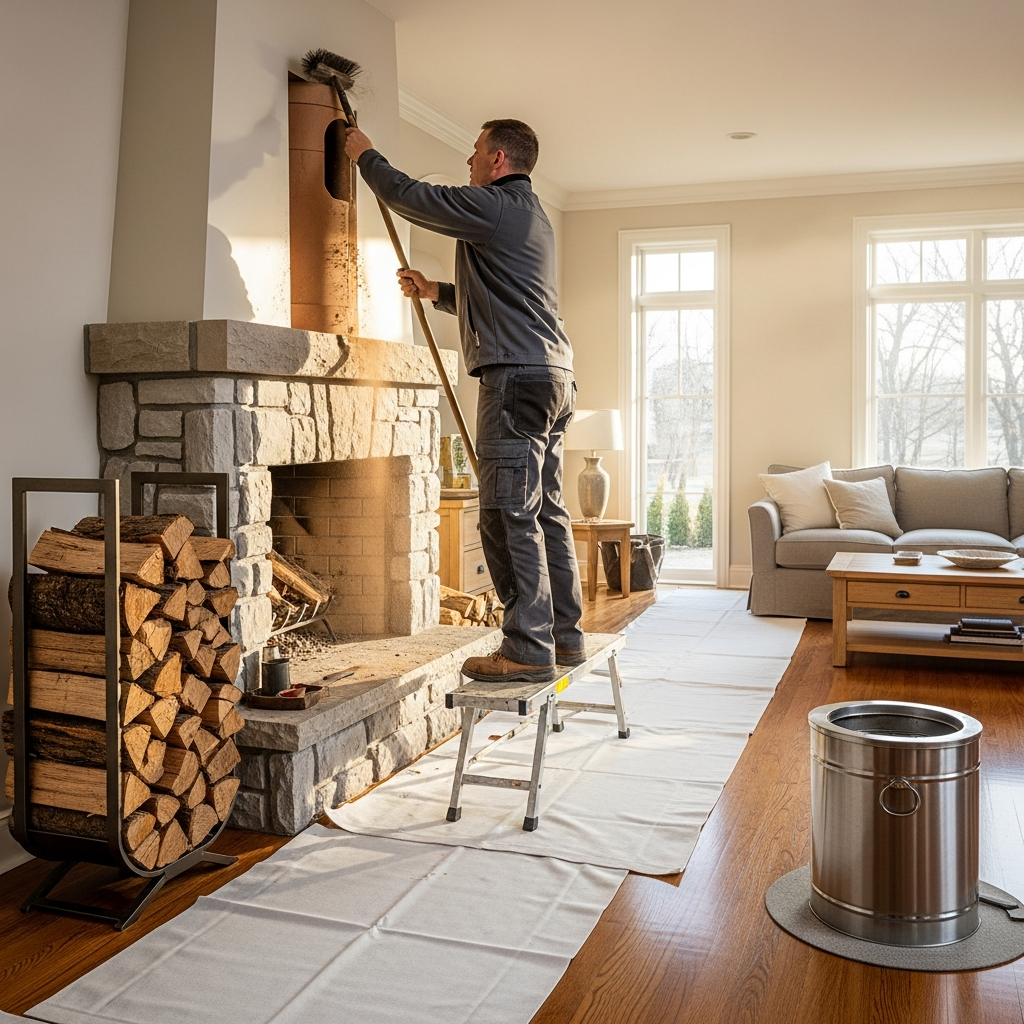
Inside, preparation is tailored to tight spaces and shared walls. Protective coverings keep stair landings and hallways clean as equipment is brought in. In homes where the fireplace sits close to the entry, setup is staged to maintain walkways. Communication is constant: you will know when rooftop work begins, when it ends, and what was found, so you can update neighbors or the HOA as needed. The hallmark of a good townhome service is respect for the building as a whole while focusing diligently on your unit’s needs.
Masonry vs. factory-built systems in townhomes
Masonry fireplaces in older rows can be charming, with deep fireboxes and historic mantels. Their chimneys may share a common exterior wall, and crowns and flashing often need attention after decades of Denver sun and freeze-thaw cycles. Factory-built systems, more common in newer communities, employ metal flues inside framed enclosures. These rely on proper clearances, intact chase covers, and securely fastened caps with spark arrestors. A townhome-savvy technician recognizes both systems immediately and adapts the inspection accordingly, emphasizing liner integrity in masonry and component condition in factory-built units.
Gas fireplaces appear frequently in townhomes, especially in rooms where a traditional chimney would be impractical. Direct-vent terminations along sidewalls can be affected by landscaping, snow drift, or even neighboring construction that alters wind patterns. A professional checks clearances, verifies gasket and seal condition, and ensures that air intakes and exhaust paths remain unobstructed. For gas log sets in masonry openings, damper clamps and draft stability are reviewed so the system vents reliably.
Wind, draft, and the townhome microclimate
Denver’s winds interact with buildings in ways that are amplified in townhome clusters. A block of units can create eddies at certain rooflines or force gusts into sideyard corridors, affecting how chimneys and terminations behave. A chimney that meets height rules perfectly may still experience wind-induced turbulence, especially when neighboring structures are taller or recently remodeled. Technicians with townhome experience read these patterns quickly on the roof, confirming whether a cap style or termination orientation is appropriate for your specific location.
Inside the home, tight envelopes and shared mechanical systems influence pressure. Bathroom fans, range hoods, and even neighboring units’ exhaust systems can alter the pressure balance around your fireplace. If you notice smoke only when certain appliances run, share that observation—it is a powerful diagnostic clue. Professionals can suggest simple operational changes or, when helpful, component upgrades that improve stability under these dynamic conditions.
Scheduling and coordination with HOAs
Good townhome service begins before the truck rolls. Providers familiar with multi-unit communities gather key information at booking: roof access rules, contact details for property managers, and any requirements for certificates of insurance. They plan routes to minimize time on shared roofs and coordinate with neighbors when simultaneous access benefits everyone. You receive a clear arrival window and updates if weather complicates rooftop timing. In winter, safety dictates the pace; if snow or ice makes the roof hazardous, interior work proceeds while exterior tasks are rescheduled promptly.
Documentation is produced with the HOA in mind. Clear photos, labeled components, and a straightforward report help property managers understand what was done and what, if anything, needs building-wide attention—such as deteriorating chase covers or caps that do not stand up well to local winds. This clarity reduces friction and speeds approvals for any follow-up work.
What to expect during the visit
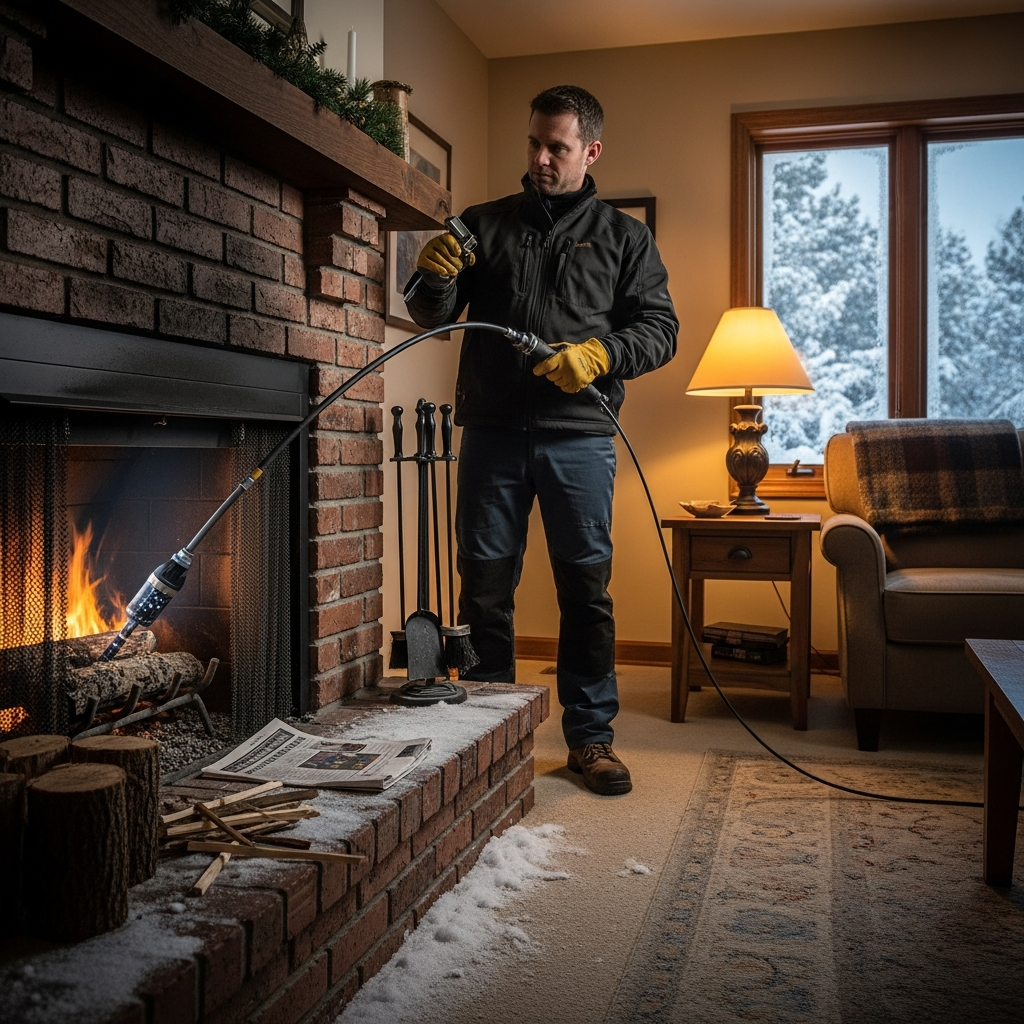
The technician begins with an interior inspection, noting firebox condition, damper movement, and visible sections of the flue. Protective coverings keep floors and furniture clean. If the system is wood-burning, HEPA-filtered vacuums contain soot as brushes tailored to your liner material and diameter are used to remove deposits. For gas systems, the glass is removed and cleaned, burner ports are cleared, and pilot assemblies are tested. Once interior work is complete, the technician turns to the roof or exterior terminations to evaluate caps, chase covers, and vent integrity.
Communication continues throughout. If something unexpected emerges—nesting material in spring, a dislodged cap after a windstorm, or a damper stuck half-closed—you will be shown photos and presented with a plan. The visit ends with a concise summary, recommendations prioritized by safety and performance, and practical guidance on how to use the fireplace in a way that keeps the flue cleaner longer.
Neighbors, cleanliness, and courtesy
Because townhomes are close quarters, careful containment matters. Equipment is staged to avoid blocking shared walkways. Doors are opened and closed thoughtfully to minimize noise and drafts. If odors are a concern in summertime, the technician will explain how warm air and residual creosote can interact and what steps reduce the effect. For units that share a front stoop or corridor, extra mats and corner protection keep common areas clean. These details may seem small, but they make a big difference in day-to-day living with neighbors.
Parking and access are coordinated with sensitivity to community rules. Technicians arrive ready to adjust plans if a space is unexpectedly unavailable, and they keep you informed so that your day and your neighbors’ routines experience minimal disruption.
Seasonal rhythms in Denver townhomes
Fall is the busiest season, but spring and summer are excellent times for thorough evaluations and any follow-up repairs, especially when materials need warm, dry conditions to cure. Winter appointments proceed with caution, and safety decisions about rooftop work are made in real time. If weather interrupts, providers return promptly—communication is the anchor of trust. For residents who travel frequently, schedulers offer flexible windows and reminders so service stays on track without added stress.
Preparing for your appointment helps, too. Clear space around the fireplace, move fragile items from mantels, and share any patterns you have noticed—smoke tied to certain winds, odors after rain, or a damper that suddenly feels different. These details make diagnostics faster and more accurate.
Frequently asked questions
Can a chimney sweep handle multiple townhome units in one visit?
Yes. Coordinated scheduling can be efficient, especially when roof access is shared. Each unit receives its own inspection, cleaning, and documentation, with photos and findings clearly labeled to avoid confusion.
Do townhomes require different tools or techniques?
The tools are similar, but techniques adapt to access constraints, multi-flue chases, and HOA rules. Experienced technicians plan containment carefully, label components diligently, and communicate with property managers as needed.
What if my neighbor’s fireplace affects mine?
Shared structures can create interactions, especially with pressure and wind patterns. A professional evaluates the whole context—chimney height, cap styles, and nearby terminations—and recommends steps that stabilize your system without disrupting others.
Are gas fireplaces common in Denver townhomes, and do they need service?
They are very common, and yes, they need annual cleaning and inspection. Dust, gasket wear, and blocked terminations can all affect performance. Regular service keeps ignition reliable, flames even, and glass clear.
How does weather influence scheduling?
Snow and ice can delay rooftop work, but interior steps usually proceed. Providers keep you updated and return promptly when conditions allow. Safety comes first, and clear communication ensures you know what to expect.
If you want a fireplace that behaves beautifully through Denver’s gusty evenings and bright, cold mornings, schedule a townhome-savvy chimney sweep today. You will gain a cleaner, safer system and a smoother experience from start to finish, with respect for your time, your neighbors, and the home you love.