
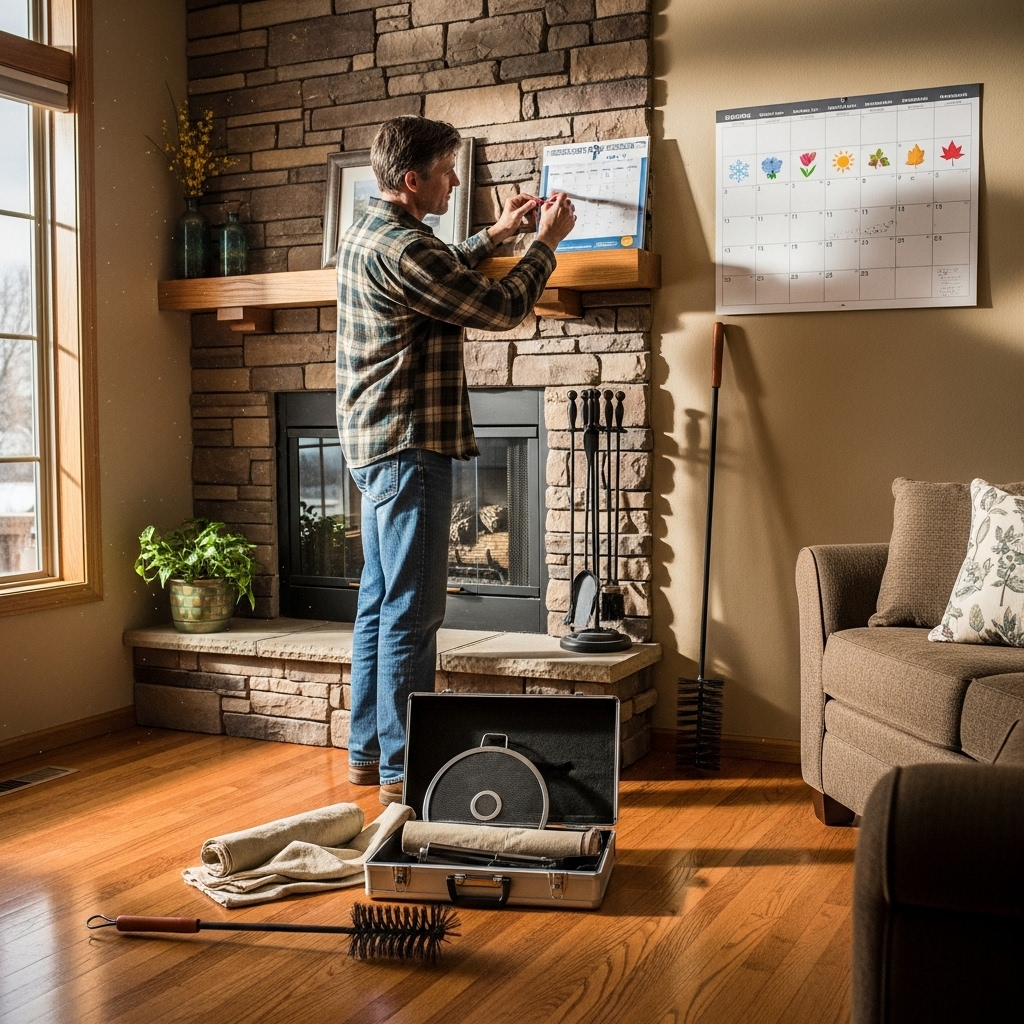
Colorado’s weather can swing from warm sunshine to snow within days, and your fireplace or stove needs to be ready for those shifts. A seasonal approach to chimney care helps keep your home safe, efficient, and comfortable throughout the year. This comprehensive checklist blends what a professional technician will do with what homeowners can monitor between visits. If you are mapping out maintenance for the months ahead, consider starting with a reputable local chimney sweep who understands the demands of Colorado’s climate.
The aim of seasonal planning is prevention. By aligning inspections and maintenance with our weather patterns, you can catch small concerns before they grow and ensure your system performs when you need it most. Whether you rely on an open-hearth fireplace for ambiance, a wood stove for supplemental heat, a pellet appliance for convenience, or a gas insert for clean burning, the principles below apply.
Spring: Assess and reset after heavy use
After months of burning, spring is the time to evaluate how the season went and address any wear and tear. A professional inspection paired with cleaning removes accumulated deposits and sets a baseline for the rest of the year.
- Professional tasks: comprehensive inspection, cleaning tailored to liner and appliance, photo documentation, and verification of caps, crowns, and flashing.
- Moisture control: check for signs of water intrusion, especially after freeze-thaw cycles, and confirm that crowns and masonry are intact.
- Ventilation check: verify draft behavior and ensure that termination points are unobstructed.
- Homeowner observations: note any instances of smoke spillage, odors, or unusual noises during the winter; share these observations during the visit.
Summer: Plan improvements and repairs
Summer offers favorable weather and flexibility for any improvements identified in spring. It is also the time to prepare for the next heating season without the pressure of imminent cold.
- Professional tasks: targeted repairs, cap or spark arrestor upgrades, and masonry touch-ups as needed.
- System optimization: discuss airflow and fuel practices with your technician to enhance efficiency next season.
- Wildlife prevention: ensure screens and caps are intact to deter nesting animals.
- Homeowner actions: store properly seasoned wood in a dry, ventilated area if you burn wood; review last season’s report to track progress.
Fall: Final readiness before temperatures drop
As nights grow colder, a final check helps confirm that everything is in good order before the first real fire of the season. Scheduling early in fall allows time for any last-minute adjustments.
- Professional tasks: confirm cleanliness, re-check caps and terminations after summer storms, and verify safe operation at the start of the season.
- Safety review: ensure smoke and carbon monoxide alarms are positioned and functioning properly.
- Homeowner actions: clear combustibles from around the hearth, verify that tools and screens are in good condition, and refresh your supply of properly seasoned wood.
Winter: Operate safely and monitor performance
During active burning months, attention to operation and early signs of trouble pays dividends. A mid-season check can be valuable for heavy users or if you notice performance changes.
- Professional tasks: targeted mid-season inspection for frequent burners or if symptoms arise, with photos to document any changes.
- Homeowner actions: maintain airflow, avoid over-firing, and watch for unusual odors, staining, or smoke behavior. Keep a simple log of usage and observations.
- Weather watch: after heavy snow or wind, visually confirm that caps remain secure and that terminations are clear.
Colorado-specific considerations
Altitude influences draft, and creosote can form differently than in lower-elevation regions. Mountain winds can cause intermittent down-drafting, and freeze-thaw cycles can magnify small masonry flaws. A professional familiar with these patterns will tailor cleaning methods, inspection depth, and recommendations to your home’s location and construction.
What a professional visit should include
Expect a walk-through, clear explanation of the plan, and protective measures for the interior. The technician should use tools matched to your liner and appliance, control dust with containment and filtration, and document the work with photos. If they discover concerns—such as cracked tiles, corroded metal, loose mortar, or missing caps—they will show you evidence and explain options in plain language.
Homeowner checklist between visits
- Burn properly seasoned wood and avoid overloading the firebox.
- Keep the firebox tidy and dispose of ashes safely.
- Observe flame characteristics and draft behavior; note changes.
- After storms, visually check the exterior for cap security and obvious damage.
- Maintain clearances around the hearth and stove to reduce fire risk.
How documentation supports long-term safety
Photos and notes turn each visit into a data point. Comparing reports season over season reveals trends: a crown crack slowly widening, a cap that repeatedly loosens in high winds, or creosote patterns that suggest an airflow issue. This evidence-based approach helps you plan maintenance and prevents small concerns from becoming larger problems.
Working with the same team over time
Consistency matters. A provider who knows your system’s history can spot subtle changes and refine recommendations. Save your reports and create a simple log of service dates, usage notes, and any symptoms you observed. This shared history makes each appointment more efficient and insightful.
As you think ahead to the coming season, consider the advantages of scheduling early. Shoulder-season appointments offer flexibility and time to address findings before demand spikes. If you want an expert baseline and a clear plan, reach out to a company that emphasizes education and thorough reporting. Many homeowners appreciate the peace of mind that comes from booking a comprehensive professional chimney sweep visit well before the first cold snap.
FAQs
How often should my chimney be inspected?
Annual inspections are widely recommended, with more frequent checks if you burn heavily or notice performance changes.
Do gas fireplaces need attention too?
Yes. Gas appliances produce byproducts and moisture that can affect venting components. Periodic inspection confirms safe operation and proper termination conditions.
What signs mean I should call for service soon?
Smoke spillage, strong odors, staining near the hearth, visible debris, or unusual draft behavior merit prompt evaluation.
Will the visit be messy?
A conscientious technician uses containment, HEPA filtration, and careful technique to control dust and protect your living space.
Can I do my own cleaning?
Homeowners can handle light maintenance and observation, but professional cleaning and inspection provide tools, training, and documentation that are difficult to replicate safely and thoroughly.
What should I prepare before an appointment?
Avoid burning for at least 24 hours, clear space near the hearth or appliance, secure pets, and gather past reports for context.
Keep your home ready in every season
Set your home up for safe, efficient comfort by following a seasonal plan and partnering with a knowledgeable team. Schedule dependable chimney sweep services so your Colorado fireplace or stove is ready whenever the weather turns.