When you live along the Front Range, you quickly learn that homes here are shaped as much by mountain weather as by architecture. The same holds true for our fireplaces and chimneys. If you are searching for a certified chimney sweep near me in Denver, Colorado, you are already a step ahead of many homeowners, because certification is the clearest sign that a technician has been trained to read what your system is telling them. In the earliest stage of your search, it helps to anchor your expectations around safety, thoroughness, and local know-how. A reputable professional offering a chimney sweep understands how altitude, wind, and freeze-thaw cycles influence creosote accumulation, drafting behavior, and masonry longevity. That local perspective is the difference between a routine cleaning and a full evaluation that keeps your fireplace performing during unpredictable Denver winters.
Denver’s sun may be brilliant year-round, but our chimneys face complex conditions. Dry air and strong UV degrade mortar joints and crowns faster than in many lower elevation cities. Chinook winds roar down the foothills and across neighborhoods like Sloan’s Lake, Central Park, and Highlands, creating downdrafts that push smoky odors into living rooms at the worst moments. Then a heavy snow arrives and melts within a day, infiltrating tiny cracks that widen through freeze-thaw cycles. A certified sweep is trained not only to remove soot, but to interpret these patterns on brick, stone, metal chase covers, and caps, and to explain what each finding means for safety and long-term maintenance.
Why certification matters in Denver
Certification tells you that the technician has studied combustion, venting, and building codes, and passed examinations that measure knowledge across the full spectrum of residential fireplace systems. Denver’s building codes and fire ordinances are designed to reduce the risk of chimney fires and carbon monoxide incidents. A certified sweep brings that code literacy to every appointment, combining textbook principles with field experience from neighborhoods as varied as Capitol Hill’s older masonry homes and newer builds across Green Valley Ranch. That dual skill set allows them to notice subtle issues, like a hairline crown crack that is harmless in dry climates but dangerous when snowmelt finds it, or a short flue that drafts fine on calm days but smokes during those dramatic afternoon gusts.
Equally important is the ethical framework that certification programs promote. It sets a standard for documentation, communication, and customer education. Clear photos, reasoned explanations, and prioritized recommendations help you decide what to address now and what to monitor. Denver homeowners appreciate that transparency because our seasons move quickly. One warm weekend of heavy use during a cold snap can change the interior condition of a flue, and a certified sweep’s report makes it simple to plan follow-up actions without guesswork.
What a certified sweep actually does
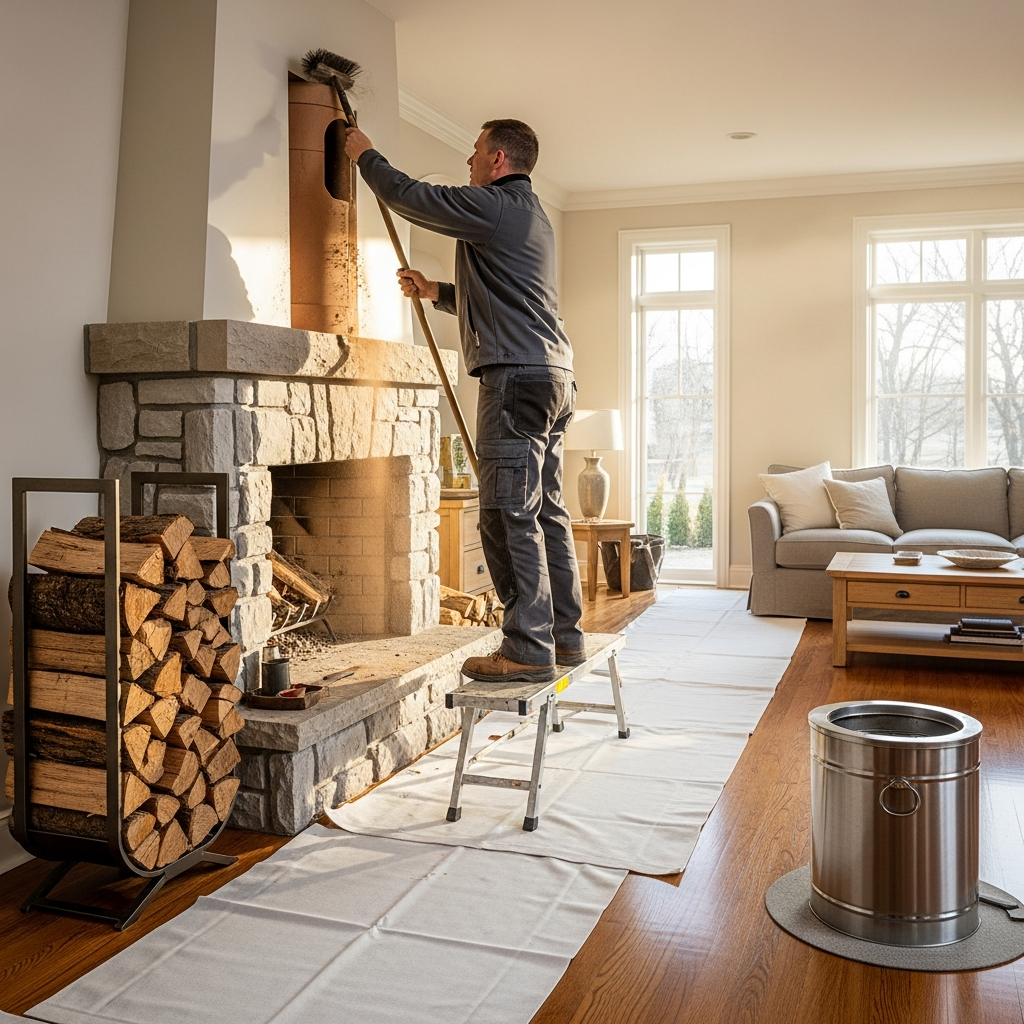
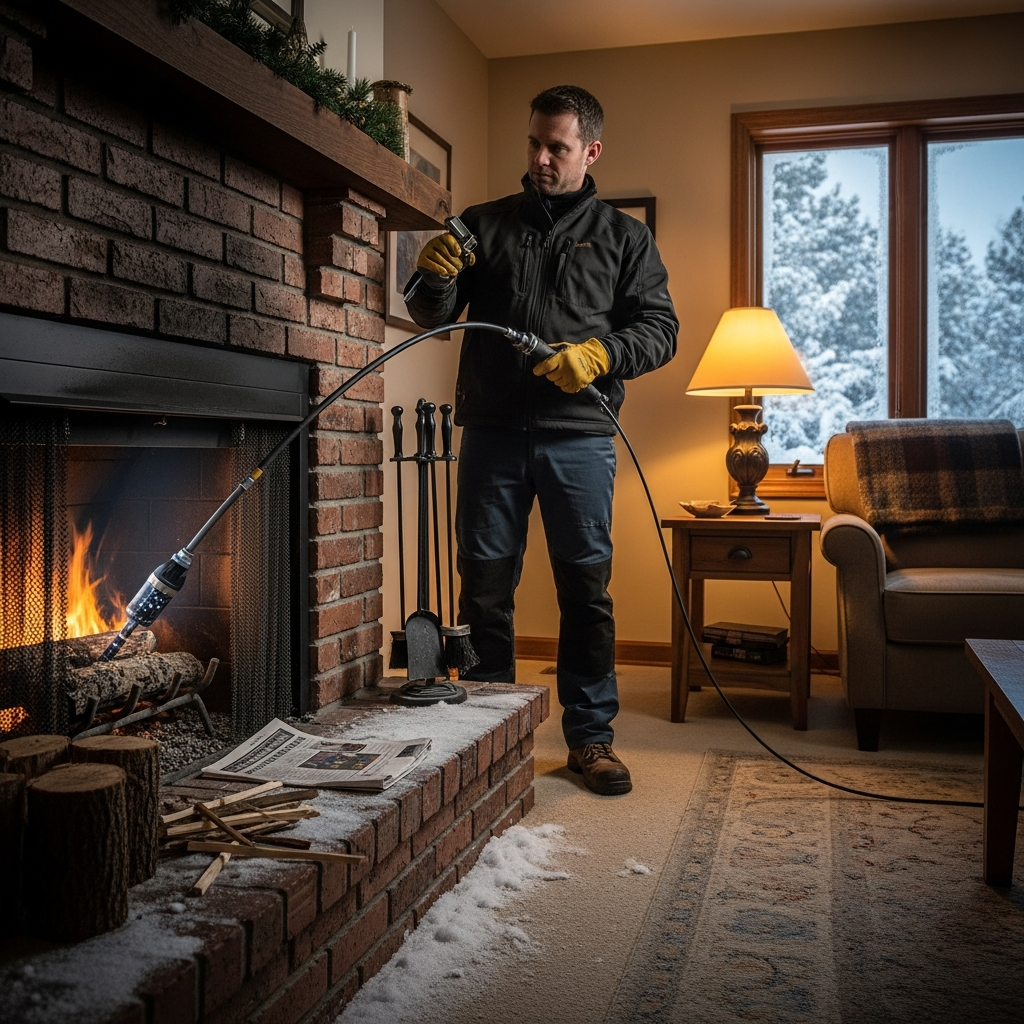
Many people imagine chimney sweeping as a quick brushing and vacuuming, but a certified technician treats it as a full service where inspection informs the cleaning. They begin with a visual survey, noting exterior features such as crown shape, cap integrity, flashing contact with roofing materials, and how the chimney rises compared to nearby rooflines and trees. Inside, they look at the firebox, damper, smoke shelf, and the lower flue area, often using a bright light and mirror to identify creosote texture and thickness. If a camera inspection is warranted, they will explain why and show you real-time images, pointing out any gaps, offsets, or deposits that could influence draft or safety.
The cleaning itself is methodical. Brushes matched to your liner material and diameter are guided from the top or bottom depending on access and configuration. Modern vacuums equipped with HEPA filtration capture soot so your living space remains clean. The sweep checks the damper for free movement, tests gasket integrity on stove doors where applicable, and evaluates smoke chamber transitions that often hide rough surfaces—areas that can catch and hold creosote. Each action is documented, and the final walk-through covers both what was accomplished and what you can do between visits to burn more efficiently.
Denver-specific challenges that certification addresses
Altitude changes everything about combustion. Fires at 5,280 feet do not behave exactly like those at sea level, and draft is driven by temperature differences that shift rapidly in our climate. A certified sweep knows to account for these realities by evaluating air supply, home tightness from modern windows and weather sealing, and even the influence of kitchen range hoods competing for air. They may recommend slightly different fire-building techniques or wood seasoning targets for our dry air, and they can show you how to recognize a flue that is struggling on a windy afternoon versus a still, cold night.
Masonry chimneys across older Denver areas like Baker or Park Hill often need attention to mortar joints and crowns. Spalling brick can appear suddenly after a harsh winter, and if a cap is missing or undersized, embers and wildlife both become threats. Prefabricated, factory-built chimneys common in newer townhomes and suburban communities require a very different inspection lens, emphasizing chase covers, storm collars, and specific clearances. Certification means your sweep is fluent in both systems and knows the different failure modes to watch for. That fluency saves time and ensures recommendations are tailored to your exact setup.
Helping your fireplace perform better
The best chimney service is as much education as it is cleaning. Once the flue is brushed, a certified sweep can walk you through how wood choice affects residue. Even well-seasoned hardwoods behave differently in our arid climate. Denver’s dry air helps logs season faster, but it also encourages homeowners to store wood outdoors without adequate cover, leading to snowmelt absorption and steam production when burned. These subtle moisture shifts change the smoke chemistry and the resulting creosote. Knowing when to crack a window to provide make-up air, how far to open the damper at startup, and when to warm the flue with kindling can reduce smoke rollout dramatically, especially on gusty days.
As homes become tighter for energy efficiency, negative pressure can starve a fireplace of air. A certified sweep can spot signs of pressure competition, such as smoke backing up when a bathroom fan is running, or odors near the fireplace when your furnace cycles. They may propose small adjustments, from timing the use of exhaust fans to recommending an outside air kit for certain appliances. These suggestions are practical and grounded in your home’s layout, not generic advice pulled from an owner’s manual.
Real-world scenarios in Denver homes
Consider a mid-century ranch in Wheat Ridge with a toppled cap after a windstorm. The owner notices a musty, ashy scent on warm days. A certified sweep knows this odor often signals moisture interacting with creosote, especially if birds have nested during spring. The solution is not simply to remove debris, but to inspect for mortar erosion, confirm liner continuity, and install a cap sized to stabilize draft while blocking wildlife. In a downtown condo with a direct-vent gas fireplace, the issues are different: flakes of white haze on the glass and intermittent pilot outages. A trained eye checks for blocked intake screens at the exterior termination, evaluates gas pressure and thermopile output, and verifies venting clearances—tasks that look simple but require proper testing and documentation to resolve fully.
These examples illustrate the value of certification: a disciplined workflow that uncovers root causes rather than masking symptoms. Denver’s variety of home styles means every visit is a custom project with its own diagnostic path. That diagnostic culture is what turns a good cleaning into a reliable heating season and protects your chimney from the accelerated wear our weather can cause.
How often to schedule and what to expect seasonally
Frequency depends on use, fuel quality, and the type of system. Many households schedule annual inspections, with cleaning performed as needed based on visible creosote and soot levels. High-use wood-burning fireplaces or stoves might require more frequent service. Denver’s seasonal rhythms also matter. Fall appointments fill quickly; a certified sweep will encourage spring or summer visits to avoid the rush and to address masonry repairs in warm weather when materials cure best. Flexibility helps if a surprise storm delays rooftop work—a reality our teams plan around with safety-first policies.
On appointment day, most homeowners appreciate a clear arrival window and a tidy, respectful process. Protective coverings keep floors clean, and equipment remains contained. Pets are accommodated, and technicians communicate clearly about noise, duration, and any steps where they will move indoors or out. By the end, the fireplace area looks cleaner than when the sweep arrived, and you have a written summary that distills technical findings into plain language action items.
Choosing the right professional
When considering your options, look for proof of certification, insurance, and a track record in the Denver area. Ask how technicians are trained to handle both masonry and prefabricated systems, and whether they perform video inspections when conditions call for a closer look. The best providers are proud to show you photos from your own chimney, explain the context behind each recommendation, and prioritize repairs in a way that respects your budget and schedule without compromising safety. Clear communication is a hallmark of a certified sweep, and so is a commitment to continuing education, because codes and best practices evolve as quickly as the equipment in our homes.
Another sign of a strong provider is how they handle atypical concerns, such as persistent odors in summer, poor draft after window replacements, or smoke stains that appear only with certain wind directions. A certified technician investigates all contributing variables, from chimney height to nearby roofline turbulence, rather than declaring your fireplace “finicky” and leaving you to guess. That attention to the whole system—from appliance to cap—makes a direct difference in comfort and peace of mind.
Mid-season checkups and why they help
Even with a thorough fall cleaning, there are good reasons to consider a mid-season review if you are burning daily or notice changes in performance. Ash buildup, a small shift in a damper plate, or a new vibration from wind can all affect how your fireplace behaves. A quick recheck can prevent a frustrating evening, and it can also protect your chimney from accelerated creosote accumulation that might otherwise go unnoticed until spring. If you need help quickly, a responsive company that offers a reliable chimney sweep can restore safe operation before the next cold front rolls in.
For homes that blend different systems—say, a wood stove in the den and a gas insert upstairs—a certified sweep ensures that changes to one appliance do not negatively influence the other. Venting paths are interdependent, and pressure imbalances can create odd symptoms far from their source. A trained professional sees those relationships clearly and can stage solutions that benefit the whole house rather than treating each fireplace in isolation.
Aftercare, burning habits, and long-term protection
The day after your service is the perfect time to adopt small habits that keep your chimney cleaner, longer. Start with truly seasoned wood, stacked to allow airflow and covered to shed snow while staying off the ground. Warm the flue before lighting larger logs, and keep fires bright rather than smoldering. Observe how smoke behaves at startup and when you add fuel; changes can be early warnings of a shifting draft pattern. And when the season ends, close things down cleanly: remove ash, check the damper position as recommended, and glance at the cap from the yard to ensure it is intact after spring storms.
Long-term protection may also include masonry sealing, crown repair, or liner upgrades when conditions call for them. A certified sweep will outline options without pressure, explaining how each step aligns with safety and performance goals. The outcome is a fireplace that remains a joy to use, an asset to your home’s value, and a safe gathering point through long winters and breezy spring evenings.
Frequently asked questions
How do I know I am hiring a truly certified technician?
Ask for current proof of certification and confirm the company carries appropriate insurance. A reputable professional will happily provide documentation, explain their training, and describe how certification guides their process on your specific type of system, whether masonry or prefabricated.
Do I need a cleaning every year if I only use my fireplace occasionally?
An annual inspection is still wise. Occasional use can leave deposits and invite nesting, and small issues can develop regardless of how often you burn. The inspection determines whether cleaning is necessary, so you avoid unnecessary work while staying safe.
What signs suggest I should call sooner than my scheduled visit?
Smoke backing into the room, strong soot or campfire odors on warm days, visible debris in the firebox, or a damper that suddenly sticks all warrant attention. If wind direction seems to trigger problems, a professional can assess cap design and chimney height relative to nearby structures.
Can you keep my home clean during the process?
Yes. Certified sweeps use protective coverings and HEPA vacuums to contain dust and soot. They treat your living space with care, communicating each step and ensuring the area is as clean—or cleaner—when they finish.
Will a camera inspection damage my flue?
No. Modern cameras are designed to travel gently through flues and are used to visualize areas otherwise hidden from view. They help document conditions accurately so recommendations are based on evidence rather than assumptions.
Is wind the main reason for draft issues in Denver?
Wind is a common factor, but draft is a balance of temperature, chimney height, house pressure, and cap design. A certified sweep looks at all these variables together to diagnose the root cause and suggest targeted improvements.
If you are ready to enjoy a safer, cleaner, and more dependable fireplace this season, reach out to a local professional who understands the rhythm of life along the Front Range. For responsive service, expert diagnostics, and workmanship you can feel in every fire you light, schedule a chimney sweep today and welcome the next cold evening with confidence.