Preserving Denver’s Historic Brick Chimneys with Care and Craft
Walk through Capitol Hill, Baker, or the Highlands on a brisk morning and you can feel the story of Denver’s early architecture rising with the steam of coffee and the smell of wood smoke. Those handsome brick chimneys peeking over the rooflines are more than functional shafts; they are artifacts of craft, climate, and community. Working on them demands a blend of building science and respect for tradition. When homeowners ask how to keep that historic character while making sure the system is safe and weatherproof, I think about our altitude, our dry air, sudden storms, and the way older materials respond to all of it. That’s the place where thoughtful chimney repair becomes as much preservation as it is protection.
In Denver, we have a unique mix of masonry—soft, hand-pressed brick, lime-rich mortar joints, and terracotta flue tiles that have seen a century of winters. The choices made during a repair can either honor that legacy or unintentionally hasten deterioration. The key is to understand what the original builder intended, match materials carefully, and plan for the specific freeze–thaw patterns along the Front Range. When you do that, you protect the home’s heritage and give it another generation of safe, reliable service.
Understanding Historic Materials and Why They Matter
Historic brick in Denver was often fired at lower temperatures than modern brick, giving it a softer core and a surface that weathers differently. Pair that with lime-based mortars that were designed to flex and breathe, and you have assemblies that move with the seasons. It is a graceful system when maintained correctly. Trouble starts when modern, overly hard mortars or impermeable sealers trap moisture. The chimney then becomes a sponge pressed by winter’s freeze–thaw cycles, leading to spalling faces and crumbled joints. Knowing this, we test existing mortar, examine brick hardness, and tailor the repair approach so the chimney can continue to shed water and relieve internal stresses the way it was meant to.
Matching mortar is an art. We consider aggregate size, binder type, color, and tooling profile to fit what is already there. Where a historic chimney shows concave tooling in a taupe-gray lime mortar, that’s what we aim to reproduce so the eye sees continuity and the structure feels familiar. The right match also ensures vapor permeability, which is as crucial to longevity as any cap or flashing detail.
Common Issues in Denver’s Historic Chimneys
Years of sun, wind, and occasional hail leave a mark. You may notice hairline cracks in the crown, efflorescence on the brick faces, a leaning stack, or crumbling joints that trail down like sand. Inside, flue tiles can be fractured or misaligned, and smoke chambers may be rough and undersized by contemporary safety expectations. Flashing sometimes tells its own story, with dried sealants and rusted step flashing where brick meets shingle. Each symptom points to a source: water intrusion from a failed crown, wind-driven rain where the counterflashing has lifted, or thermal expansion that finally split a saturated flue tile at the first hard freeze in November.
Because Denver sits a mile high, ultraviolet exposure tends to accelerate surface breakdown of mastics and thin coatings. A light glaze applied a decade ago may have become brittle, cracking under temperature swings that jump from sun-warmed afternoons to subfreezing nights. When we evaluate a historic chimney, we look at the whole system and how it meets the roof, because small vulnerabilities tend to compound in the shoulder seasons.
Repair Principles that Respect the Past
Respectful repair starts with reversal of damage and prevention of recurrence. Repointing, for instance, is not simply filling a gap. It is removing decayed mortar to a sound depth, cleaning the joint without scouring the brick, and packing a compatible mix that cures slowly and remains slightly sacrificial to the brick. That sacrificial quality is a good thing: you would rather replace a little mortar in twenty years than a lot of historic brick today. Tooling the joint to shed water and match the original profile completes the weather defense and the period-appropriate look.
Crown work follows the same principle. Instead of a thin patch that will crack again, a proper crown uses a durable, reinforced mix shaped with a drip edge to cast water away from the stack. On historic chimneys, we consider a two-part approach: a separate, flexible bond-breaker at the flue to accommodate thermal movement, and a pitched surface that keeps water moving off the masonry. The goal is a breathable assembly that resists pooling and sheds snowmelt efficiently in March and April.
Flashing, Counterflashing, and the Roof Interface
Most leaks blamed on the chimney actually begin at the roof interface. On older homes in Wash Park or Congress Park, the original flashing might be steel or copper, and it may have been re-sealed repeatedly. The real fix usually involves removing the tired materials, stepping new flashing into the shingle courses, and cutting a clean reglet into the mortar bed for counterflashing that locks in without relying on caulk. This mechanical connection allows for thermal movement while staying watertight, which is crucial when chinook winds bring sudden thaws followed by cold snaps.
We pay attention to saddles, or crickets, on the high side of a wide chimney. Historic homes often have broad stacks that collect snow. A well-proportioned cricket above the chimney splits the drift, sends meltwater around the sides, and eases the burden on the crown and counterflashing. That one detail can be the difference between chronic ceiling stains and a dry attic all winter long.
Flue Liners and Safety Upgrades
Inside the stack, flue tiles and smoke chambers need just as much care. Over time, tiles can develop step cracks that leak flue gases into the surrounding masonry. Historic houses sometimes served multiple appliances on a single flue in the past, which no longer aligns with modern safety guidance. When we reline, we choose methods that preserve as much of the original fabric as feasible while creating a continuous, code-compliant path for exhaust. That might mean a ceramic or stainless system tailored to the appliance, or parging a rough smoke chamber to improve draft and reduce turbulence.
Because Denver’s air is dry and heating seasons are long, creosote and soot behave differently than in coastal climates. Smooth surfaces inside the smoke chamber and liner not only improve performance but also reduce the tendency of deposits to cling. Combining these upgrades with proper caps to keep out wind-driven embers and animals makes the whole system safer without compromising the chimney’s outward character.
Choosing Materials that Weather Well in Denver
Material selection is where climate knowledge shines. For exterior mortar, mixes that balance flexibility and strength help the joints breathe through our freeze–thaw cycles. For crowns, a fiber-reinforced matrix with an integrated drip edge holds up under the high-altitude sun. For brick replacement, finding soft, compatible units is critical; a few salvaged bricks with similar porosity can blend seamlessly and protect the surrounding originals. Overly hard bricks or dense mortars can create little dams that trap moisture in the adjacent historic units, so we steer clear of that trap.
Breathable water repellents can play a role when used judiciously. On chimneys exposed to strong southwest sun and wind, a siloxane treatment can reduce absorption without sealing pores. The key is to apply on properly cured repairs and to test that the brick and mortar continue to allow vapor to escape. Doing this as part of a larger repair plan—not as a shortcut—helps ensure the treatment enhances, rather than undermines, longevity.
Working Around Architectural Details
Historic homes often showcase corbelled courses, decorative bands, and unique caps. Each of these details sheds water differently and can hide vulnerabilities where joints tuck under projections. When repairing, we take profiles and dimensions, then rebuild any lost features so they function as intended. A corbel, for example, should project with a slight slope and tight joints on its upper face so water cannot sit. Recreating that geometry with compatible mortar and brick both protects the stack and preserves the silhouette that gives your home its charm.
We also consider how the chimney reads from the street. Matching color and texture is part science, part storytelling. Sometimes that means integrating a subtle patina so new work doesn’t shout from the roofline. The best compliment is when a neighbor walks by and simply notices how clean and sound the chimney looks without being able to put a finger on where the repair stops and the original begins.
Maintenance Rhythms for Long-Term Health
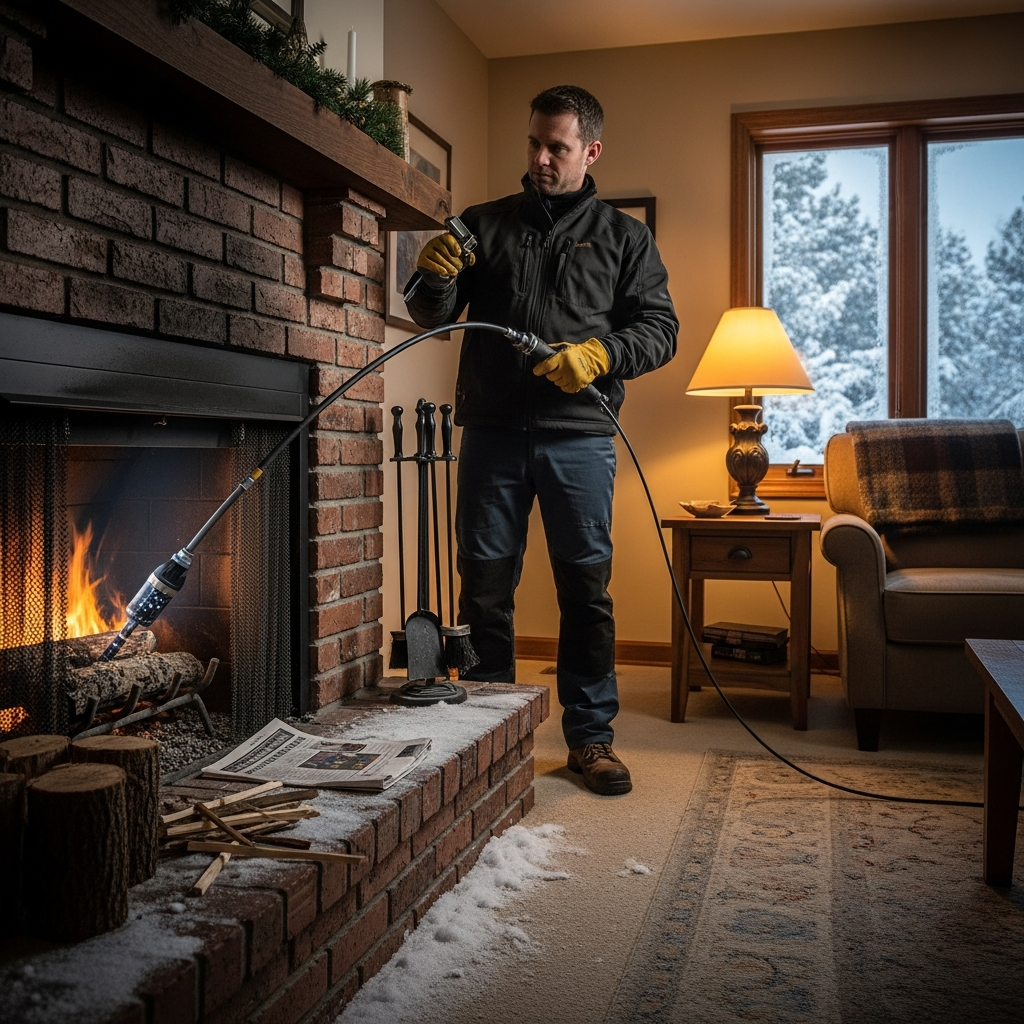
Once the heavy lifting of repair is done, the rhythm of inspection and maintenance keeps everything on track. In Denver, I like to see a chimney inspected before the first sustained cold of the season. That’s when we catch minor seal failures at the flashing, hairline crown cracks, or early signs of mortar shrinkage after a hot summer. After particularly windy or snowy weeks, a quick attic check for damp sheathing above the chimney can save you from discovering a ceiling stain later.
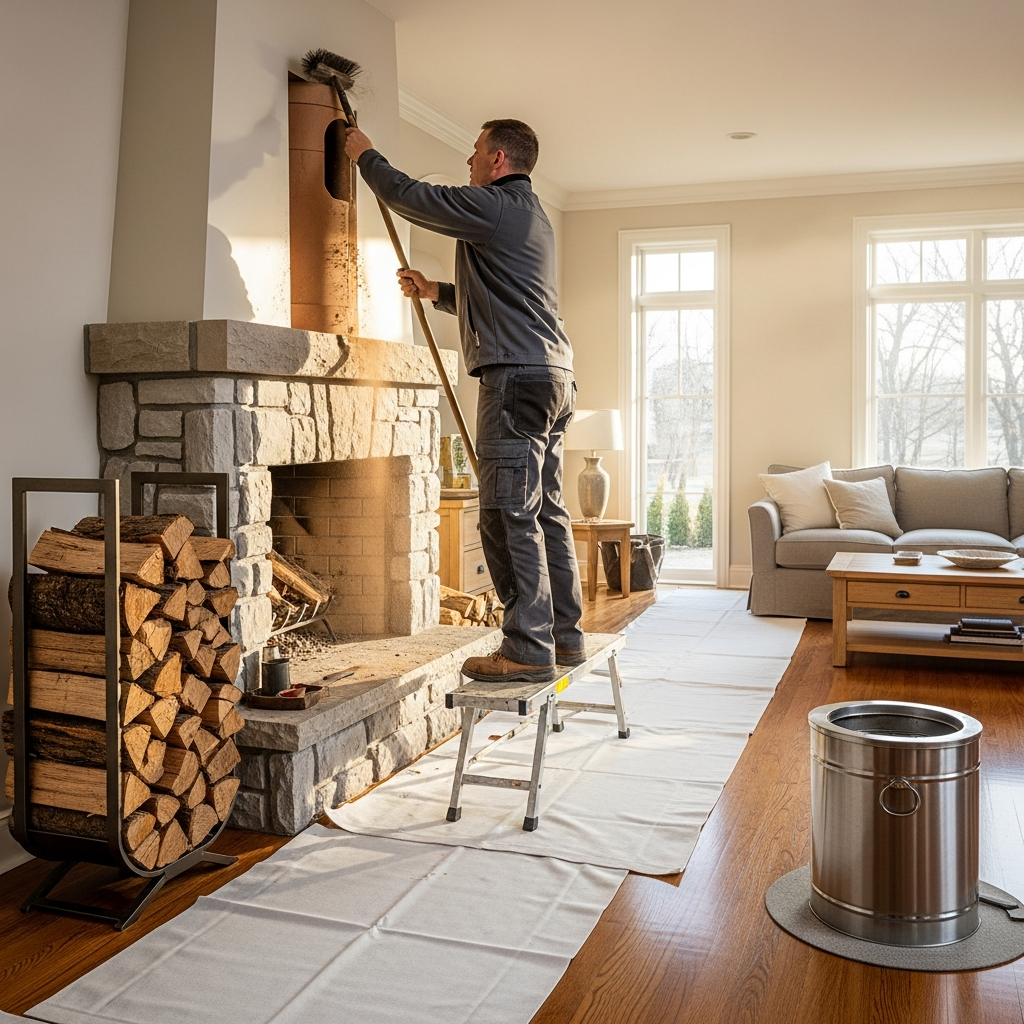
Cleaning, too, follows the pattern of use. Wood-burning fireplaces that see regular winter use build up deposits differently than occasional holiday fires. Scheduling a sweep at a consistent interval keeps draft strong and supports the health of the liner. Small adjustments like re-sealing a cap screen or trimming back a branch that funnels leaves into the flue all add up to a system that just works, without drama, year after year.
Case Notes from Around the City
In Cheesman Park, a tall, narrow stack on a 1910 foursquare had been patched repeatedly with a hard, mismatched mortar. The joints looked tidy but the bricks started shedding faces. We reversed the damage by carefully removing the incompatible joints, matching the original lime mortar, and rebuilding the crown with a proper drip edge. A new mechanical counterflashing tucked into the masonry line transformed a chronic leak into a dry attic, and the brick faces recovered their crisp edges after gentle cleaning.
In an early bungalow in Berkeley, an ornate corbel at the top course had settled. Rebuilding that feature demanded both structural care and aesthetic nuance. We salvaged brick from a hidden portion of the chimney to maintain perfect color, then introduced matching soft brick in the concealed area. The finished profile cast a clean shadow again, and spring rains ran off the crown instead of into it. That home now has a roofline that looks right and performs right.
When Repair Becomes Rebuild
There are times when a chimney’s core is too compromised to repair in place. Severe bulging, widespread internal voids, or extensive flue damage may call for partial or full reconstruction above the roofline. Even then, the mindset is preservation. We document details, salvage reusable brick, and rebuild to the original proportions while integrating modern safety improvements inside. The result is a stack that looks like it has always belonged and works like it was made yesterday.
Making that call involves transparent evaluation. We share photos, explain where the structure is sound and where it isn’t, and outline options that respect your home and your goals. Denver’s building departments understand the value of our architectural heritage, and good documentation helps keep the process smooth and informed.
The Role of Timing and Weather Windows
Denver’s weather invites careful scheduling. Mortar likes a steady cure, crowns prefer dry days, and roof interfaces are best tackled with fair weather in the forecast. We watch for windows between spring storms and summer heat, and we guard against freezing nights in fall that can surprise a fresh joint. When we do encounter a tight schedule, temporary protection like breathable wraps and well-designed coverings keep new work safe without trapping moisture.
This sensitivity to timing is not fussy; it is how you gain decades of service out of a few days of work. Historic materials reward patience. When repairs have the chance to set properly, they bond better, move more gracefully with the seasons, and resist the small failures that snowball into bigger problems.
Why Local Knowledge Makes a Difference
Experience in Denver’s microclimates pays dividends. Homes on a west-facing slope get a different weather pattern than those tucked near City Park. Wind scours rooftops in Sunnyside and slows behind mature trees in Park Hill. The best repair strategies consider those patterns as much as they consider mortar color. It is why two chimneys on the same street might have slightly different flashing details or crown treatments. Tailoring the work to the house and the site is how you get the long, quiet reliability every homeowner wants.
Midway through any project, I like to pause and revisit the original goals: safety, durability, and the look that belongs to the house. Bringing those threads together is what makes responsible chimney repair feel so satisfying. The work disappears into the architecture, and the home’s story keeps unfolding without interruption.
Stewardship for the Next Generation
At heart, working on a historic chimney is stewardship. You are caring for something that has cared for your family—keeping rooms warm, carrying away smoke, standing watch above your home—through countless Denver winters. When you choose materials and methods that honor that role, you set the chimney up to serve the next owner, and the one after that. It is a quiet contribution to the look and feel of the neighborhoods we love.
If you are unsure where to start, an initial evaluation tells you what the chimney needs and what it can wait on. From there, you can prioritize the steps that protect the structure, improve safety, and preserve character, all while planning work around seasons and schedules that suit your life.
Frequently Asked Questions
Q: How can I tell if my historic chimney needs attention?
A: Look for crumbling mortar, flaking brick faces, crown cracks, or stains in the attic near the chimney. Smoke backing up on windy days and a persistent musty smell after storms are additional clues. A professional inspection will confirm what you are seeing and uncover hidden issues such as tile cracks or failing flashing.
Q: Will modern materials damage my older brickwork?
A: Not if selected and installed thoughtfully. The risk comes from using overly hard mortars or impermeable coatings that trap moisture. A compatible mortar and breathable treatments allow the system to flex and dry, protecting the historic brick.
Q: Do I need to reline my flue if I have an older fireplace?
A: Not always, but many historic flues benefit from relining for safety and performance. The decision depends on tile condition, appliance type, and draft characteristics. A continuous, smooth liner with a proper cap improves reliability and reduces maintenance.
Q: Can repairs blend in with the original appearance?
A: Yes. By matching mortar color, texture, and tooling, and by sourcing compatible brick where replacements are needed, repairs can be nearly invisible. Careful attention to details like corbels and drip edges preserves the chimney’s original profile.
Q: What is the best season for historic chimney work in Denver?
A: Late spring through early fall often provides the most reliable curing conditions. That said, with proper protection and planning, some tasks can be performed safely and effectively during cooler shoulder seasons.
Q: How often should I schedule inspections?
A: An annual inspection is a good baseline for historic chimneys, with additional checks after major wind or hail events. Routine attention prevents small issues from becoming larger, more complex problems.
Schedule Your Denver Chimney Evaluation
If your brick chimney has weathered more winters than you can count, now is a good time to give it the care it deserves. Reach out to discuss your goals, book an inspection, and plan repairs that respect your home’s history and stand up to Denver’s climate. For thoughtful, detail-driven work that preserves character and improves safety, consider trusted local chimney repair. Your roofline will look right, your home will stay dry, and your fireplace will be ready for the season ahead.