When Denver homeowners ask about the investment involved in chimney sweeping, they’re really asking how to make smart, informed decisions about their fireplaces. The answer depends on the shape of your home, the way you burn, and the unique forces of our high-altitude climate. As local technicians, we believe that understanding the factors behind a quote matters more than fixating on a single number, because those details ultimately determine safety, performance, and peace of mind. Whether you live in a classic brick bungalow in West Highlands or a contemporary build in Central Park, a professionally performed chimney sweep is an essential part of keeping your hearth reliable through a Denver winter.
It helps to think of chimney care the way you might think of seasonal tuning for your car before heading into the mountains. The basics remain the same from one vehicle to another, but the specifics—tire condition, fluid levels, brake wear—change the scope of the work. In chimneys, those “specifics” include the height of your stack, the path of the flue, the material it’s made of, how often and how hot you burn, and what the weather has done to the exterior over the past year. Each variable informs the time, tools, and expertise required to deliver a thorough result.
Chimney configuration and access
The first thing your technician evaluates is the layout. Taller masonry stacks and chimneys with offsets take longer to service than straight, short runs. Access can also be a consideration in Denver’s historic neighborhoods, where steep roofs, narrow side yards, and alley-only entry add complexity. None of this is a problem—it simply shapes the plan for ladders, safety gear, and the technique used to clean from the top down or from the bottom up, depending on what’s safest and most effective for your home.
Inside, the condition of the smoke chamber and firebox informs the approach. Rough, un-parged smoke chambers or older fireboxes with irregular surfaces can collect soot more readily. In these cases, careful work around those surfaces ensures deposits are fully removed and that debris doesn’t fall into pockets where it’s hard to retrieve. Your technician will also consider the damper type—traditional throat dampers behave differently than top-sealing versions—and adapt the cleaning method accordingly.
Flue material and residue type
Masonry tile flues and stainless steel liners respond differently to brushes and rotary tools. We choose equipment that preserves the integrity of your flue while dislodging residue efficiently. Just as important is the character of that residue. Fluffy, powdery soot comes up quickly, while sticky or shiny glaze points to cooler, smoldering fires or resinous wood that may require more time and specialized techniques. The specific combination of fuel and burn habits you prefer—quick morning burns versus long weekend fires—shows up plainly when we see the interior of the flue.
Factory-built systems, common in many Denver townhomes and newer residences, call for their own procedures aligned with manufacturer guidelines. These units tend to be straightforward when maintained regularly, but they still benefit from close attention to joints, terminations, and clearances to nearby materials. The better the baseline care, the smoother each subsequent appointment becomes.
Wildlife, weather, and the Denver environment
Along the Front Range, we encounter conditions that are less common elsewhere. Persistent winds can push debris under a cap, and curious birds find their way past screens that have loosened over time. Nest materials compact into stubborn plugs that must be removed cautiously to avoid damage further down. Our freeze-thaw cycle also affects crowns and mortar joints; small cracks let water into the system, which mixes with soot to create acidic grime that’s challenging on masonry. Each of these environmental factors influences the scope of work a technician plans for a visit.
Exposure matters, too. Chimneys that stand above surrounding roofs or peak out from a corner of the house experience wind from multiple directions and may collect more soot at bends. Shaded chimneys stay cooler and may show faster accumulation of certain residue types. On the other hand, a sun-baked chimney can dry out mortar faster, and that surface wear may require recommendations following the sweep to keep the structure healthy over the long term.
Burn frequency and wood quality
How often you use your fireplace and what you burn are central to planning service. Frequent burning or weekend-long fires naturally leave more material behind. Moisture-rich wood, or wood that hasn’t fully seasoned, smokes more and contributes to sticky buildup. We’re happy to talk through wood selection and storage—keeping logs off the ground, stacked to allow airflow, and covered without sealing in moisture. These practices not only reduce residue but also make each fire easier to start and maintain, leading to fewer issues between appointments.
Some homeowners mix wood species based on availability. That’s fine when you keep an eye on moisture content and split size. As a rule of thumb, aim for splits that match your firebox dimensions and avoid pieces that force the door or screen to sit ajar. Properly sized fuel burns more completely, leaving fewer unburned gases to condense in the flue.
Scope of service and added maintenance
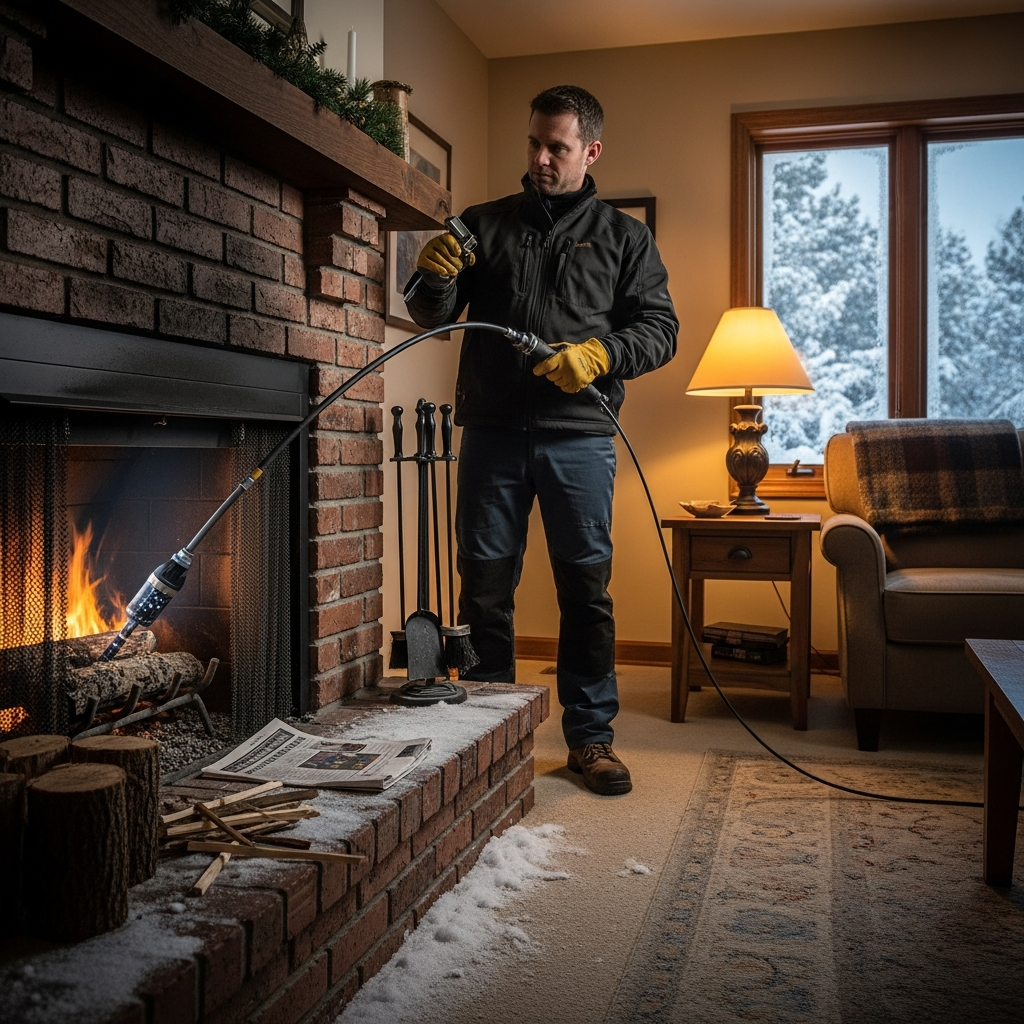
A thorough sweeping is the foundation, but additional tasks sometimes make sense based on what we find. Camera inspections can reveal liner seams, tile joints, or offsets that aren’t visible from the firebox alone. If we discover gaps, cracks, or signs of moisture intrusion, we’ll discuss next steps to protect the system before heavier winter use. Cap upgrades, smoke chamber smoothing, or recommendations for a top-sealing damper may also arise from the evaluation.
These conversations are part of good stewardship rather than upselling. The aim is a system that draws cleanly, keeps water out, and resists animal intrusion while meeting the way you actually use your fireplace. When the plan aligns with your routine, you enjoy fewer headaches and more evenings gathered around a steady, bright flame.
Timing within the season
Pre-season appointments in early fall set you up for success. If you miss that window, a mid-season visit is a smart way to reset a frequently used fireplace. Spring appointments are also popular because they address residue before summer heat amplifies odors and because roofs are often accessible after snow melts. No matter the time of year, consistent upkeep is the thread that keeps your system safe and predictable.
In Denver, weather can shift day to day, so a flexible local team is invaluable. We plan around wind, precipitation, and temperature spikes, ensuring that containment holds and the work proceeds smoothly without bringing the outdoors into your living room.
Choosing a provider and understanding value
Trust is the foundation of home services, and it’s earned through clarity, craftsmanship, and follow-through. Look for technicians who explain their process, show you what they find with photos when appropriate, and offer straightforward, practical recommendations. A team that takes notes on the particulars of your chimney—cap type, damper style, flue material—makes each future visit more efficient and more tailored to your needs.
Value shows up in the details you don’t have to think about later: a cap that keeps wildlife out through spring winds, a flue that draws reliably even on the coldest mornings, and a smoke chamber that doesn’t trap soot at its rough spots. These are the subtle improvements that make your fireplace easier to enjoy and your home more comfortable.
What to expect during your visit
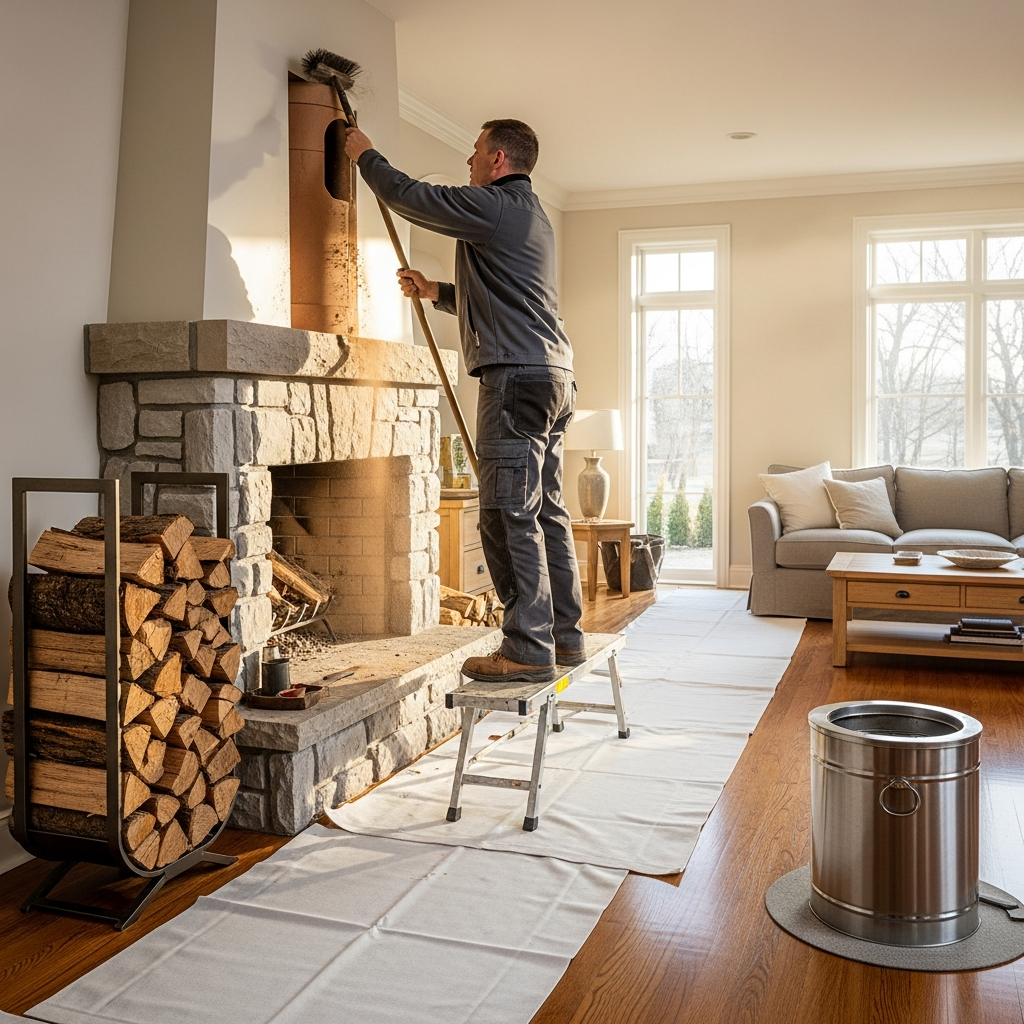
Preparation, protection, and communication define a great appointment. We cover floors, set containment, and use high-filtration vacuums to capture debris at the source. Then we brush the flue with tools designed for your system, address the smoke chamber and smoke shelf, and evaluate the damper. If a camera pass is part of the plan, we’ll share images and explain what they show in plain language. You’ll finish the visit with a clean system and practical guidance on burn technique and wood storage tailored to your home.
Many homeowners appreciate mid-visit check-ins. As we work, we might point out patterns in the residue that align with how you light or reload fires, and we’ll offer small adjustments that deliver outsized results—like leaving the door cracked during the first minutes of start-up or adjusting how you stack kindling for a hotter, cleaner flame.
Frequently asked questions
Q: How often should I schedule chimney sweeping? A: For most Denver homes, once a year is a reliable baseline. If you burn frequently or enjoy long fires several days per week, consider a mid-season follow-up to keep residue in check.
Q: What influences a quote the most? A: Chimney height, flue configuration, the type and amount of residue, roof access, and any additional services such as camera evaluation or cap updates are the primary variables.
Q: Can I reduce buildup with better burning habits? A: Yes. Burn seasoned wood, build small, hot fires, and avoid smoldering. Good technique keeps exhaust hotter and cleaner, which minimizes condensation on the flue walls.
Q: Will the process be dusty? A: With proper containment and filtration, your living space stays clean. We protect surroundings and manage airflow to avoid soot drifting beyond the work area.
Q: What signs suggest I need service sooner? A: Difficulty starting fires, persistent smoke spillage, strong odor after rain, or visible soot flakes in the firebox are all signals that a sweep and evaluation are due.
Ready to book a Denver appointment?
If you want clarity, safety, and consistent performance from your fireplace, we’d be glad to help. Our approach is shaped by years of work across Denver’s diverse homes and the specific demands of our climate. Schedule today for a clean system, practical guidance, and a hearth that’s ready for the season with a trusted chimney sweep delivered by a local team that values your comfort.