Conversations about chimney sweep cost in Denver, Colorado for wood fireplaces usually begin with a simple question: what should I expect? The answer takes more than a single number, because the scope of work, the condition of your system, and Denver’s unique climate all influence what a reputable company will recommend. The most helpful way to approach the topic is to understand which factors shape the work and why they matter. When you choose a professional service with deep local experience, you receive more than a cleaning—you receive an assessment that protects your home, your fire’s performance, and the long-term health of your chimney. Early in your planning, it can be wise to look for a trusted provider that offers a comprehensive chimney sweep tailored to wood-burning systems, because that breadth of service leads to fewer surprises on appointment day.
In Denver, wood fireplaces serve as both heat sources and gathering places. The dry, bright climate can make a crisp evening fire feel like a luxury, but the same dryness also affects how wood seasons and how masonry ages. Freeze-thaw cycles, gusty winds, and quick shifts in temperature all place stress on chimneys. These realities do not automatically increase your outlay, but they do influence the time and techniques required to inspect and clean correctly. Understanding those real-world conditions helps explain why two homes a few streets apart can have very different service needs despite similar fireplaces.
What shapes the scope of a wood fireplace sweep
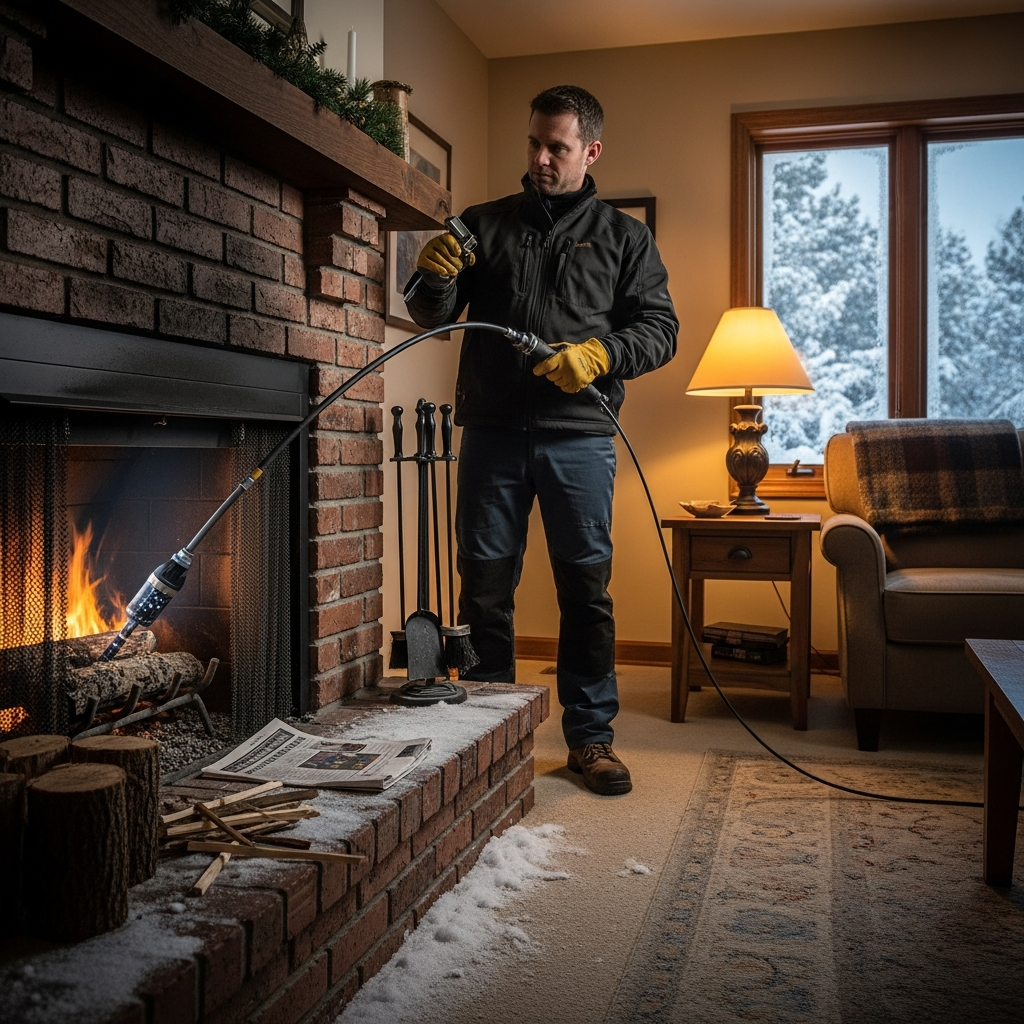
Every appointment begins with an inspection, because the technician needs to learn the current state of your system before deciding how to proceed. The exterior gets attention first: crown integrity, cap design, flashing transitions, and overall chimney height compared to nearby rooflines. Inside, the sweep looks at the firebox, damper, smoke chamber, and the flue’s lower reaches. The amount and texture of creosote, any visible obstructions, and the presence of wildlife debris shape the rest of the visit. A straightforward cleaning might be all that’s required, but sometimes a camera inspection is warranted to evaluate areas that a simple glance can’t reveal.
For wood-burning fireplaces, creosote type matters. Flaky, powdery deposits are usually removed quickly. Glazed, tar-like creosote adheres stubbornly and can take additional effort to address safely. How you’ve burned wood—bright, hot fires versus long, smoldering ones—plays a direct role in this. Denver’s altitude and negative pressure in tight homes also influence how smoke cools and condenses inside the flue. A trained technician will discuss what they find and connect it to burning habits, so you understand both the immediate service and how to prevent heavy buildup going forward.
Home design and access considerations
Access is a practical factor that affects time on site. Steep roofs in neighborhoods like Highlands or Berkeley require additional safety measures. Townhomes in Central Park or Lowry can involve shared roofs and coordinated access under HOA guidelines. Tall chimneys, unique crown profiles, or unusual setbacks from roof edges change how a crew sets up ladders, anchors, and protection for shingles. Inside the home, a large hearth opening or intricate mantels call for extra care when staging equipment and covering furnishings. None of this is cause for concern; it simply means the team plans thoroughly to keep your home safe and clean while they work.
There are also differences between masonry and prefabricated systems. A traditional brick chimney with a clay tile liner presents different inspection points than a factory-built chimney with metal components. Both require expertise, and a company experienced with the full range of systems common in Denver will tailor the process accordingly. The goal is to bring your wood fireplace to a reliably safe, efficient state without guesswork.
Seasonal timing and why it matters
In the Front Range, fall is the busiest season for chimney work. Many homeowners wait until the first chilly evenings to book. If your schedule allows, late spring or summer appointments can be easier to secure, and warm weather is ideal for any follow-up masonry work. On the other hand, if you notice smoke rollout, strong odors, or visible debris late in the season, do not wait. A responsive company can prioritize safety concerns even during the rush. The timing of your visit does not change professional standards, but it can influence how quickly you can be seen and how easily weather cooperates with rooftop work.
One of the best reasons to plan ahead is that a thorough evaluation sometimes reveals minor repairs that protect the chimney before the next winter. Crowns with early cracks, caps with damaged screens, or mortar joints just beginning to erode are all easier to address when the weather is warm. Taking care of these small issues promptly can prevent bigger, more disruptive projects down the line.
What you can expect during a professional visit
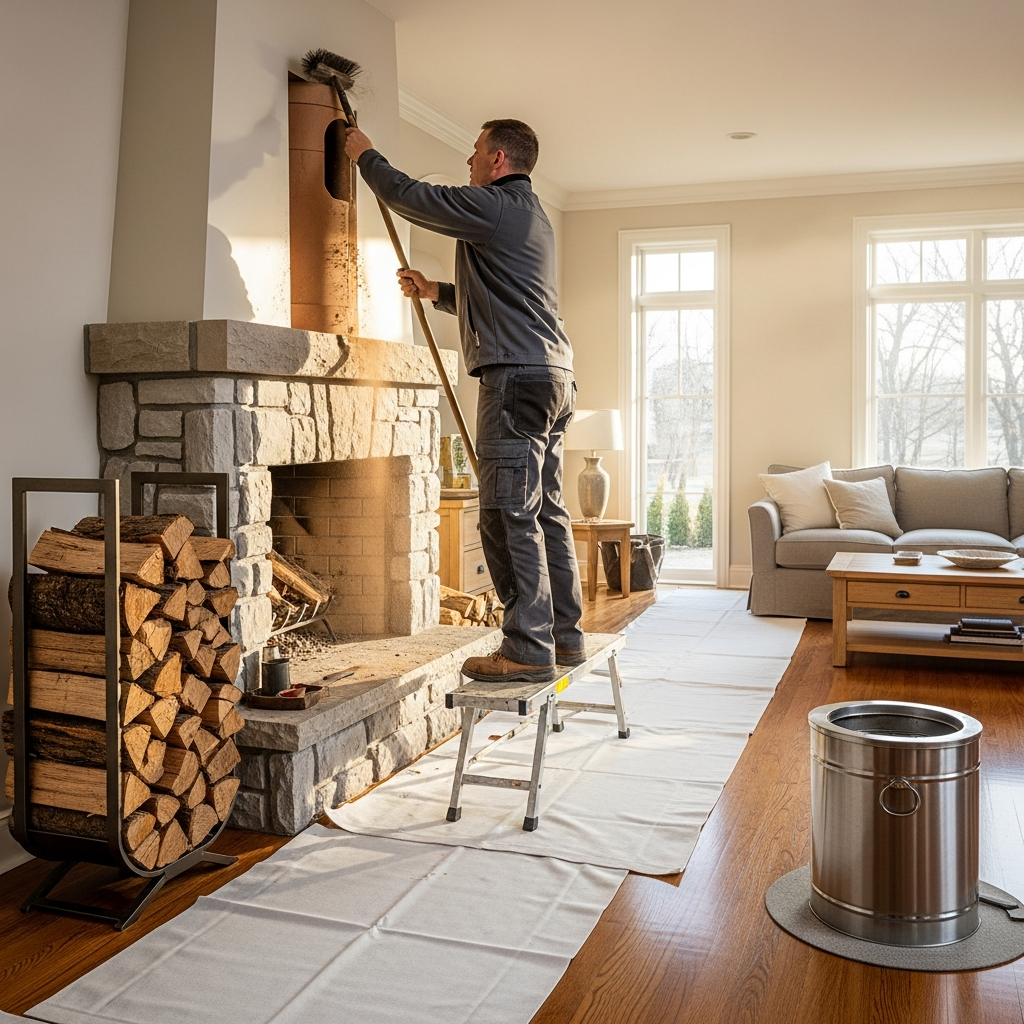
Cleanliness and communication define the best chimney appointments. The technician explains the sequence of the job, from laying protective coverings to setting up HEPA-filtered vacuums. Tools are matched to your liner size and material, ensuring brushes clean efficiently without causing damage. The sweep verifies that the damper opens and closes properly, examines the smoke chamber transitions for rough spots that collect creosote, and looks closely at the firebox for signs of heat stress. If a camera inspection is appropriate, you’ll see what the technician sees, with images that make recommendations clear.
Denver homes present a few signature variables that come up again and again. Wind-driven downdrafts can encourage back-puffing and odors. A flue that is too short relative to nearby rooflines may behave perfectly on calm days and then struggle under gusty conditions. Negative pressure from tightly sealed windows and active exhaust fans can pull smoke into rooms. A thorough service addresses these dynamics through a blend of cleaning, testing, and thoughtful guidance on use. When a company offers a comprehensive chimney sweep with inspection, you benefit from a complete view of performance, not just a quick brushing.
Wood choices, burning habits, and creosote
Well-seasoned hardwoods burn cleaner and hotter, but in Denver’s arid air, even good wood can take on moisture from spring snow and sudden storms. Store wood off the ground, covered on top, and open on the sides for airflow. Start fires with dry kindling to warm the flue quickly, then add larger splits. Bright, active flames reduce creosote formation compared with long, smoldering burns meant to stretch a fire’s life. A certified technician can translate the condition of your flue into practical advice on how to adjust your routine for cleaner burns and steadier draft.
If you notice a sticky, shiny residue during your own checks, that is a sign to schedule sooner rather than later. Glazed creosote is not just slower to remove; it indicates burn conditions that favor condensation. Shifting to drier wood, improving airflow at startup, and letting each load of wood burn actively before adding more are small steps with a big impact on flue health.
Preparing for the appointment
On the day of your service, clear a path to the fireplace, move delicate items from the mantels and hearth, and plan for pets to be in a comfortable area. The technician will bring coverings to protect floors and furniture, but a little preparation speeds the setup and helps ensure a smooth visit. If you have noticed any patterns—smoke only on windy days, an odor after rain, or a damper that feels different—jot them down. Those details help the technician target tests and tailor recommendations to your home’s specific behavior.
It is also helpful to know the age of your home and any past fireplace work, such as a liner installation or a previous insert. That context allows the sweep to evaluate how components have aged and how they interact with the current fireplace and venting configuration.
Why a thorough report matters
After the cleaning and inspection, you should receive a clear, organized summary of findings. This report often includes photos, descriptions of the flue condition, and any recommendations ranked by urgency. In Denver, it may also note how local weather patterns or home improvements—like new windows—could influence performance going forward. Think of the report as your roadmap for safe, enjoyable fires. It captures a moment in time and helps you plan for future maintenance with confidence.
Good reporting prevents misunderstandings and empowers you to make decisions. If you sell your home, it can also help answer buyer questions and speed up inspection negotiations. Many real estate transactions hinge on whether a fireplace has been evaluated recently and whether any concerns have been addressed by qualified professionals.
Common questions from Denver homeowners
Homeowners frequently ask what drives differences in service recommendations. The most common variables are the type and thickness of creosote, any obstructions, the chimney’s height and location on the roof, and the presence of damage like cracked crowns or deteriorated mortar joints. Usage patterns also matter; a fireplace used every night through winter will need different attention than one used only on holidays. An experienced sweep will make these connections clear, tying each recommendation back to what they observed in your system.
Another recurring question is how often to schedule. Annual inspections are a smart baseline, with cleaning performed as needed. High-use households, or those that favor long, low burns, may benefit from mid-season checks. The point is not to over-service your fireplace but to align care with real conditions. A company that knows Denver well will help you strike that balance.
Frequently asked questions
Why can’t I get a single, universal price before an inspection?
Chimneys differ widely in condition, access, and the type of deposits inside. An inspection lets the technician determine the appropriate scope so you receive exactly the service your system needs—no more and no less.
How does Denver’s weather affect my wood fireplace?
Freeze-thaw cycles and strong winds create stress on exterior components and influence draft. Dry air can make wood seem seasoned while hidden moisture from snow still affects combustion. A local expert accounts for these variables in both cleaning and recommendations.
Is glazing in my flue a serious concern?
Glazed creosote is more difficult to remove and signals burn conditions that should be improved. Addressing it promptly and adjusting how you light and maintain fires reduces the chance of heavy buildup returning.
Do I need a video inspection every time?
Not necessarily. Camera inspections are used when conditions suggest hidden issues or when documentation is required, such as during a real estate transaction. Your technician will explain when it is beneficial and why.
Can a sweep help with smoke on windy days?
Yes. Technicians evaluate cap design, chimney height relative to rooflines, and house pressure. Practical adjustments and, in some cases, component upgrades can mitigate wind-related draft problems.
If you are ready to enjoy cleaner burns, a safer flue, and a fireplace that performs reliably through Denver’s changing seasons, schedule a professional chimney sweep today. You will gain not only a cleaner chimney, but clear guidance tailored to your home and the way you love to use your fireplace.