When the first chill rolls down from the Rockies and the evening light settles over Denver’s foothills, there’s nothing quite like the crackle of a wood fire to anchor a home. As a local technician who has tended to chimneys from Park Hill bungalows to modern builds in Lowry and family cabins edging the Front Range, I’ve seen how our unique climate shapes burn habits and the way soot and creosote accumulate. If you rely on a wood fireplace to bring both warmth and a sense of place, starting with a trusted chimney sweep makes all the difference in how your fireplace performs once the temperatures dip.
Denver’s elevation, dry air, and big swings in temperature can change the way a wood fire behaves. Draft is slightly different at altitude, and the dryness of our winters can fool homeowners into thinking wood that “looks” ready is actually dry enough to burn. In reality, wood moisture content, the way a chimney was built or retrofitted, and even neighborhood wind patterns can influence how quickly creosote forms along the liner or tiles. That’s why a methodical service, rooted in local experience, gives you both a clean system and a clear understanding of how to use it safely all season long.
Why wood fireplaces in Denver need special care
Wood-burning fireplaces are wonderfully simple in spirit and surprisingly complex in practice. The combustion process depends on seasoned fuel, adequate air for draft, and an unobstructed path to move exhaust up and out of the home. In Denver, our drier atmosphere helps logs season more quickly, but our cold snaps and downslope winds can affect the way smoke rises. This combination can lead to layers of creosote forming unevenly, particularly at bends or where the flue cools rapidly. The right approach to sweeping accounts for these conditions and looks beyond the firebox to the upper reaches of the stack where deposits commonly hide.
Another factor is our freeze-thaw cycle. Masonry expands and contracts more frequently here than in milder climates, and small cracks in the crown, mortar joints, or flue tiles can open pathways for moisture. Moisture plus creosote is a recipe for acidic grime that accelerates deterioration. A thorough service focuses on removing combustible residues, but it also takes note of masonry health, flashing integrity, and whether your cap and spark arrestor are doing their job when the wind kicks up and embers try to escape.
What a professional sweep includes for wood fireplaces
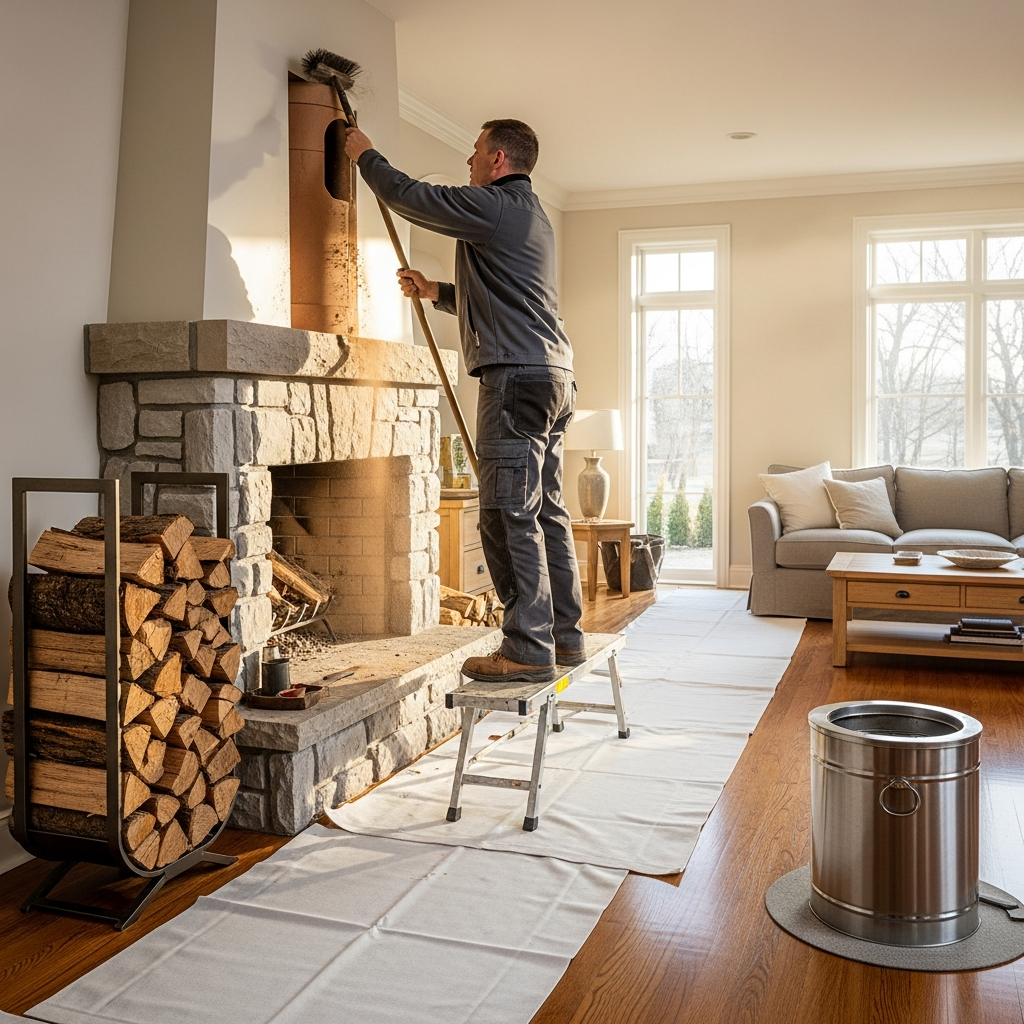
For a typical visit, preparation is everything. Furniture and flooring are protected with covers, and technicians set containment to keep soot from drifting into your living space. The firebox is carefully cleared of ash, then tools designed for your specific flue material—masonry tile or stainless steel liner—are used to break up glaze and creosote. Rotary systems, flexible rods, and purpose-made brushes reach the full length of the flue, and a high-filtration vacuum gathers debris as the work proceeds. This keeps your home clean and allows for close inspection of the resulting material for any unusual debris that may hint at damage above.
Attention then shifts to the smoke chamber and smoke shelf. In many older Denver homes, the transition between the firebox and flue is rough or pitted, which can be a catch point for soot. Smoothing or parging recommendations may come up, especially if you experience frequent backpuffing or if smoke lingers before it exits. The damper is also evaluated to ensure it moves freely and seals as designed; a sticky or warped damper wastes energy when you are not burning and can hinder draft when you are.
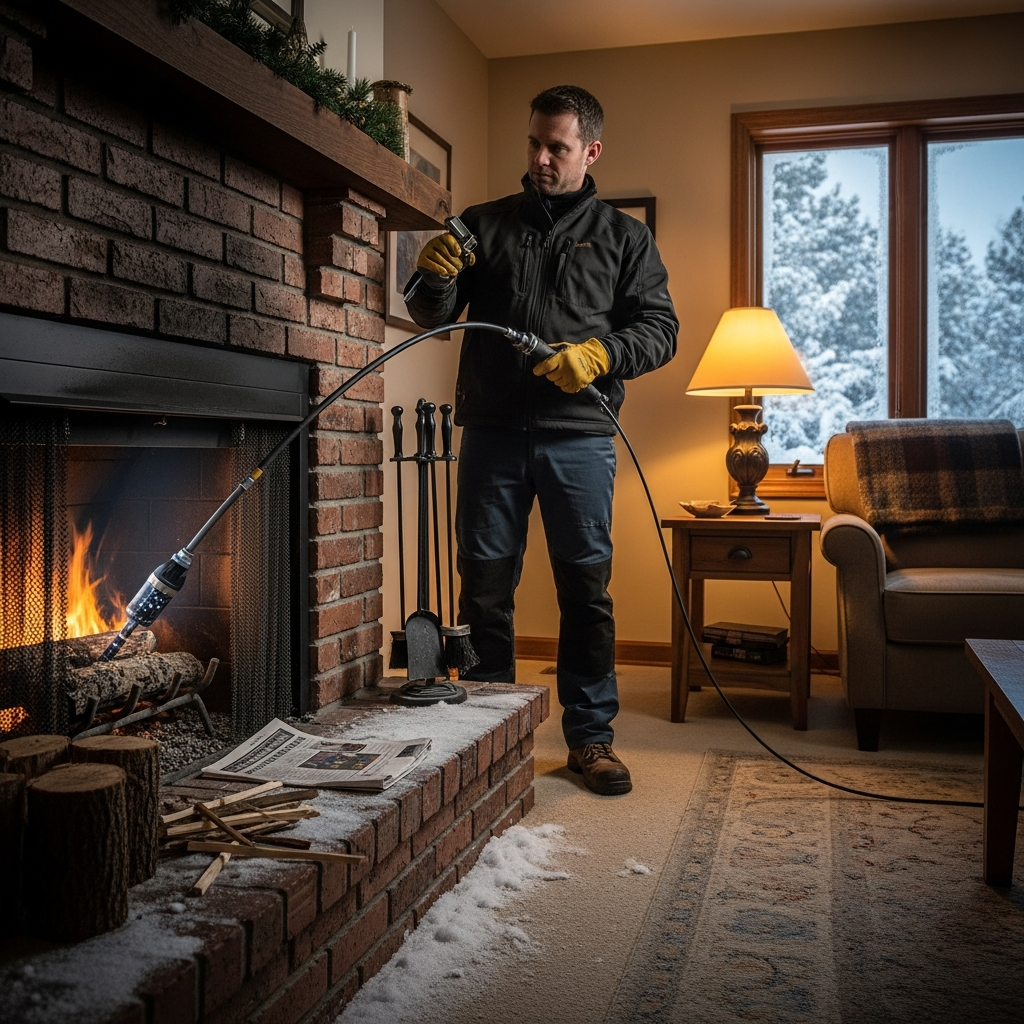
The service concludes with a visual review from the firebox up to the cap and, when appropriate, a camera pass to see the interior surfaces and joints with clarity. In Denver, where many homes have been renovated and retrofitted, camera work can reveal offsets in the flue or evidence of a past liner installation that may affect how well your current fireplace performs. Midway through the season, it’s common to book a follow-up if you burn daily; a dedicated chimney sweeping service timed to your burn routine helps keep creosote from reaching levels that could threaten safety or impede performance.
Seasonal timing, burn habits, and wood choice
Scheduling early is smart—autumn fills quickly as homeowners prepare for the first real cold spell. If you burn frequently, a pre-season service sets the stage for easier upkeep, while a mid-season refresh can keep your system at its best during the heart of winter. Your firewood matters, too. Split logs to the right diameter for your appliance and store them off the ground under a cover that allows airflow. Hardwoods common to our region, when properly seasoned, produce a steady heat with less pitchy residue than softwoods. That said, many Denver homeowners mix species, especially when sourcing locally; it’s a perfectly workable approach provided the moisture content is right.
A smart burn is a clean burn. Begin with a small, hot fire, and resist the urge to damper it down too aggressively. Smoldering fires create heavy smoke and sticky creosote. By feeding the fire with appropriately sized splits and giving it adequate air, you’ll see brighter flames, clearer exhaust, and warmer evenings without excess buildup in the flue. Your technician can help you calibrate these habits, and even small changes—like how you stack kindling or when you reload—can make a difference in soot levels.
Common Denver chimney issues and how we address them
Wind-driven downdrafts are a familiar complaint along the Front Range, especially in exposed neighborhoods or on ridge-top homes. A properly chosen cap can mitigate draft disturbances while keeping wildlife out. In some cases, a top-sealing damper enhances control and prevents cold air from tugging at your living room when the fire is out. We also see masonry crowned with older mortar washes that have weathered under sun and snow; recommending a crown rebuild or a breathable protective coating is common to help channel water away from the flue.
Another pattern in vintage Denver homes involves offsets in tall chimneys or shared stacks in duplexes. These architectural quirks can trap soot and make cleaning more variable from one level to the next. Experienced technicians anticipate where deposits gather and use the right tool combinations to reach around offsets and clear shelves where residue tends to settle. If you hear occasional chirps, scratching, or find feathers in the firebox, it’s a sign to check for a compromised cap or failed screening; birds and small mammals seek warm shelter in colder months, and their nesting materials are both a nuisance and a hazard that must be removed with care.
Moisture intrusion rounds out the most frequent issues. Staining on the chimney face, crumbling mortar, or a faint campfire smell after a storm point to water paths into the structure. While sweeping focuses on removing combustible residue, we always consider how water might be entering—through the crown, flashing, brick, or a compromised liner—and outline repairs to restore a dry, healthy system. Dry chimneys perform better, resist creosote, and keep your living space fresher.
What to expect during and after your appointment
On the day of service, we arrive with respect for your home and your time. The workspace is prepared so rugs and furniture remain clean, and communication stays open—if we find something unexpected, you’ll see photos and hear plain explanations. Many Denver homeowners appreciate learning as we go, so we’ll point out how the firebox should look when it’s burning optimally, show you safe ash handling methods for winter mornings, and explain how your damper position changes from start-up to steady burn.
Afterward, you’ll notice your fires light more easily and your smoke clears the chimney more quickly. You may also find that the firebox and glass doors stay cleaner, a sign that your burn is more efficient. Any recommendations—whether it’s a cap upgrade, minor masonry maintenance, or changes to how you store wood—are tailored to your home, your habits, and our climate. The goal is not to complicate your enjoyment of a wood fire, but to simplify it with a clean, tuned system that responds exactly as it should.
Fireplace safety that blends with comfort
Enjoying a wood fire is about more than heat; it’s about atmosphere, family rituals, and the feeling of being grounded during a storm or a snowy weekend. Safety supports that comfort. Keeping combustibles clear of the hearth, using a snug-fitting screen, and tending to ashes with metal tools and lidded containers are simple steps that pay dividends. So does an annual smoke and carbon monoxide detector check, particularly in homes with multiple heating appliances. Your chimney is part of a larger system that includes your home’s ventilation, insulation, and air supply; when these elements are in balance, your wood fireplace becomes a steady, dependable feature of winter life.
Wood fireplace upgrades worth considering
Sometimes a sweep reveals opportunities to make your system better. A stainless steel liner can improve draft and safety in older, previously unlined masonry chimneys. A modern cap with integrated spark arrestor reduces ember escape during windy evenings and keeps wildlife and debris at bay. In certain floor plans, a top-sealing damper keeps warm air inside between fires and prevents cold air from pooling in the firebox. Each of these upgrades begins with a clean, well-understood baseline, so your sweep is the right moment to evaluate options and choose what truly helps in a Denver winter.
Frequently asked questions
Q: How often should I schedule service for a wood-burning fireplace in Denver? A: For many households, once per year before the heating season is ideal. If you burn daily or enjoy long weekend fires, consider a mid-season follow-up to keep creosote in check.
Q: What can I do to reduce buildup between appointments? A: Burn only seasoned wood, start with small, hot fires, and keep the air supply adequate. Avoid smoldering or closing the damper too early. These habits keep exhaust hotter and cleaner as it rises.
Q: Will the process be messy? A: With proper containment and high-filtration vacuums, your living room stays clean. We lay floor protection, cover nearby furniture, and keep doors closed to manage airflow during the appointment.
Q: Can sweeping fix smoky starts or occasional odors? A: A clean system often improves these issues, but we also look at draft, cap design, and moisture pathways. Odors after rain or in humid spells typically point to water intrusion or negative pressure in the home, both of which we can address.
Q: What if I have an older masonry chimney with visible wear? A: That’s common in Denver. After cleaning, we evaluate the crown, mortar joints, and flue tiles. Small maintenance now prevents larger repairs later and helps your fireplace perform consistently.
Ready to schedule your service?
If you are preparing for a season of wood fires and want the peace of mind that comes from a clean, tuned system, we’re ready to help. From Highlands to Hampden and everywhere between, you’ll get local expertise shaped by years of Denver winters. Reach out today to book a visit, and let us set the stage for safe, easy fires all season long with a trusted chimney sweep by a local team that knows your neighborhood, your climate, and your fireplace.