Homeowners in Denver often ask about the difference between a chimney sweep and a chimney inspection, and how to decide which service to schedule. While the words sometimes get used interchangeably, they refer to distinct processes with different goals. A sweep removes combustible residue and clears the path for exhaust, while an inspection evaluates the system’s condition and safety. Understanding these roles—especially in the context of altitude, wind, and freeze-thaw cycles along the Front Range—helps you choose wisely and get the most from a professional chimney sweep when it’s the right fit.
Think of a sweep as routine care and an inspection as a diagnostic check. Regular sweeping keeps soot and creosote from accumulating, improves draft, and prevents wildlife and debris from creating obstructions. Inspections, on the other hand, provide a structured look at the system’s integrity: the firebox and smoke chamber, the flue’s interior surfaces, the condition of the crown and cap, and how flashing and masonry are shedding water. Both services support safety, but they answer different questions.
When a sweep is the smart choice
If your fireplace has seen steady use since last season, a sweep is usually the place to start. By clearing residue, we restore a clean baseline and can observe surfaces without the interference of soot. In Denver, this is especially valuable because altitude affects draft and our wind can push debris under the cap more readily than in calmer climates. A clean flue lets you enjoy easier starts, less smoke spillage, and a brighter flame with fewer lingering odors after a storm.
During a sweep, we also evaluate the smoke chamber and damper, confirm the cap is secure and screened properly, and check for signs of moisture intrusion. If something seems amiss—like unusual staining, gaps, or cracked tiles—we’ll recommend a focused inspection to gather more information. In many homes, the sweep itself resolves performance complaints, because obstructions and residue were the root cause.
When an inspection is the right call
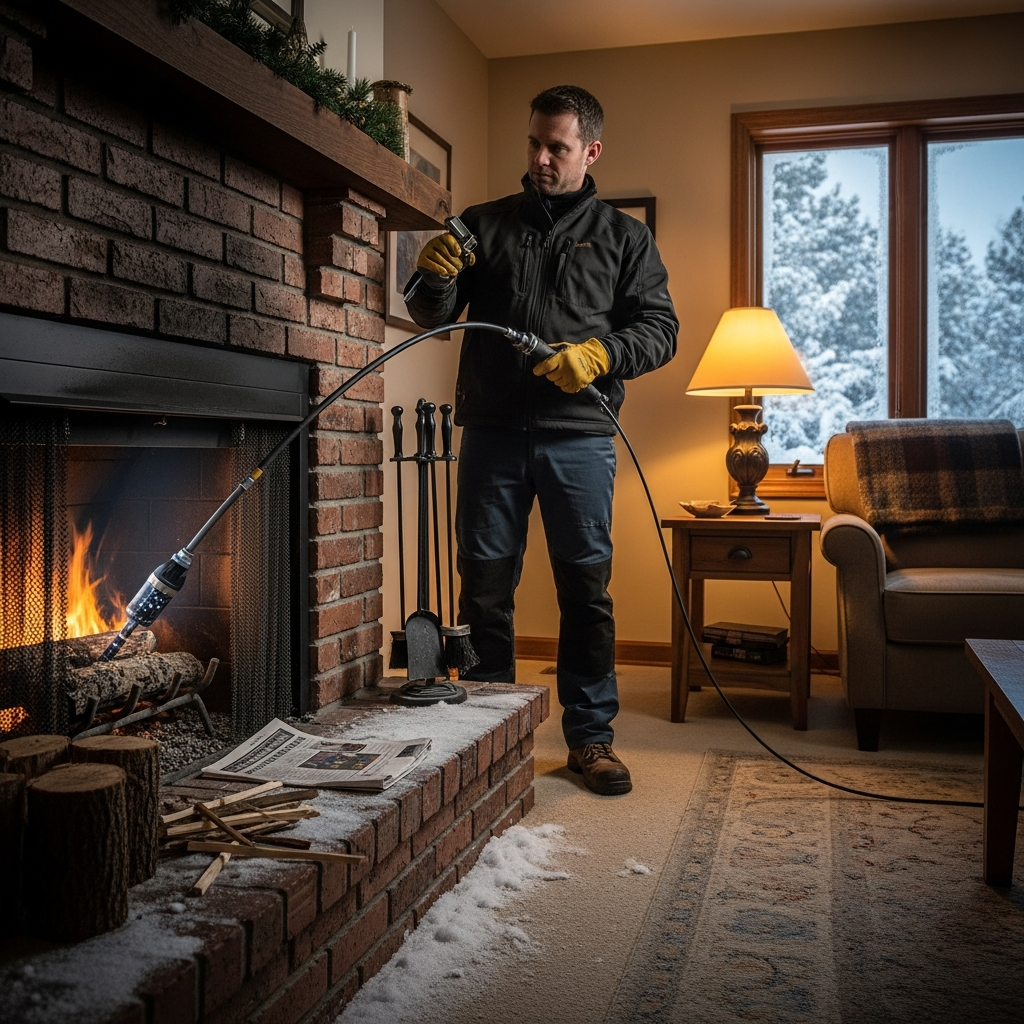
Inspections shine when you need a detailed picture of your chimney’s condition. After a renovation, roof replacement, or a strong wind or hail event, we often advise a structured evaluation. If you’re buying or selling a home, a documented inspection provides clarity for everyone involved. Inspections can include camera work inside the flue to identify cracked tiles, gaps at liner seams, or offsets that trap soot. We also look at how the chimney interacts with the roof system—flashing, counterflashing, and the crown—because water management is closely tied to long-term safety and performance.
Denver’s climate puts special pressure on masonry and metal components. Freeze-thaw cycles expand tiny cracks in crowns and mortar joints. Sun exposure dries surfaces, and occasional spring moisture tests whether water pathways are properly sealed. An inspection interprets these forces and outlines the maintenance plan that keeps your system sound through another year of weather.
How sweeping and inspection work together
These services are complementary. A sweep delivers immediate performance benefits and sets the stage for accurate evaluation. An inspection, in turn, guides maintenance and repair decisions that protect your investment. In practice, many homeowners begin with a sweep each year and add a more in-depth inspection when something changes—new appliance installation, a real estate transaction, or after notable weather.
The order matters because residue can obscure what’s happening underneath. Clearing creosote and soot first allows the camera and the technician’s eye to see surfaces clearly. It also helps distinguish between cosmetic discoloration and more serious issues like tile cracking or liner separation.
Denver-specific considerations
Altitude changes draft behavior, and gusty weather can complicate how a chimney breathes. Homes perched on ridgelines or exposed corners may experience intermittent downdrafts. A sweep can address deposits and obstructions that exacerbate these effects, while an inspection can evaluate whether a different cap style or a top-sealing damper would moderate gusty days. Meanwhile, water is a universal concern here. Even with our dry climate, snowmelt and spring storms find their way through small weaknesses. An inspection looks at these pathways holistically so your chimney sheds water instead of soaking it in.
Wildlife pressures also vary by neighborhood. Starlings and small mammals are persistent in certain corridors, testing screens and chewing at weak points. If nest material appears during a sweep, we’ll talk about prevention. If there is evidence of recurring intrusion, an inspection helps confirm where and why it’s happening so we can recommend durable corrections.
What to expect during each service
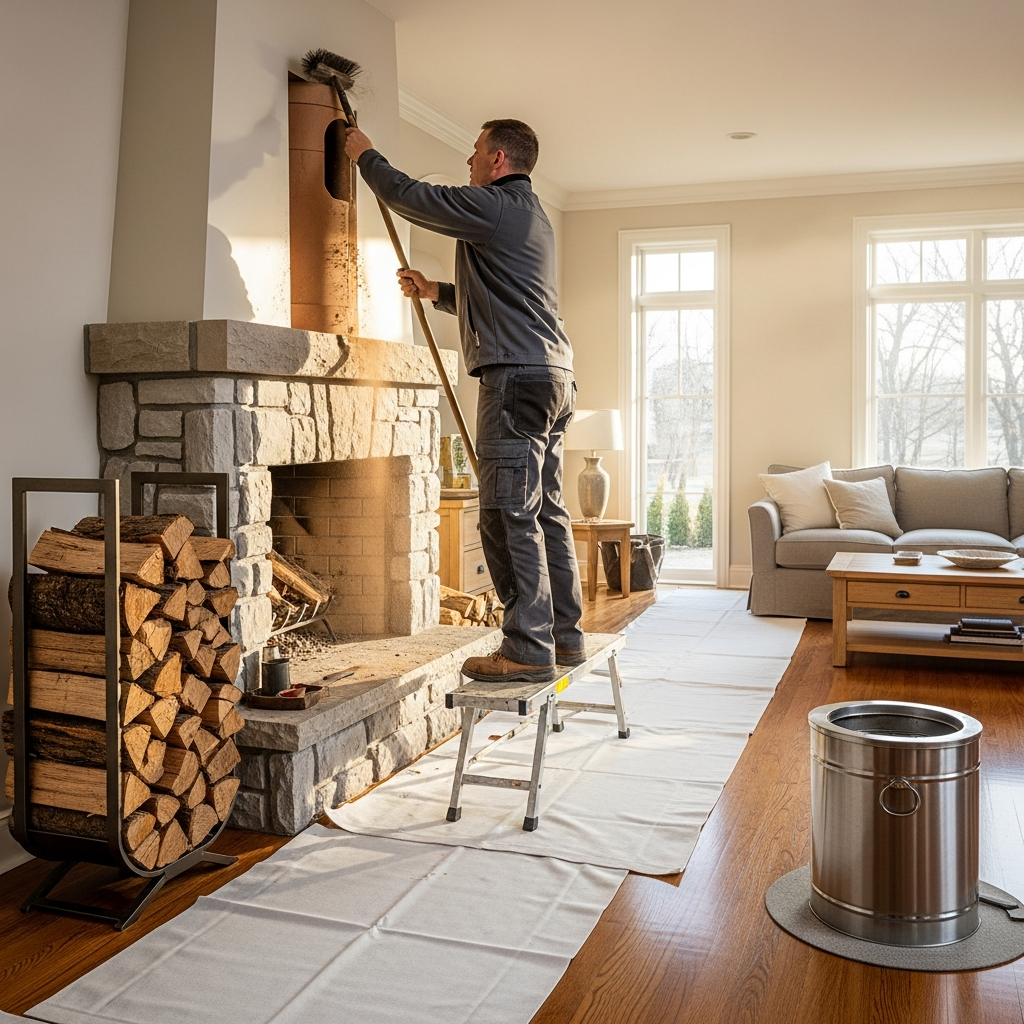
During a sweep, we protect your home with floor coverings and containment, then use the right brushes and rotary tools for your flue material. High-filtration vacuums collect soot as we work. We clear the smoke shelf, check the damper, and evaluate the cap and crown. The process is tidy, and when we finish, your fireplace lights more easily and exhaust moves freely up the flue.
During an inspection, we document findings with photos as appropriate, check clearances, look for cracks or gaps, and verify that water management features are intact. Camera work inside the flue provides a detailed view of joints and surfaces. You receive a clear explanation of any issues and a practical plan to address them, prioritized by safety and seasonal urgency.
How to choose between them for your next appointment
Ask yourself what you need right now. If your fireplace simply needs its regular care or performance has dipped—smoky starts, faint odors after rain, or visible residue—a sweep is the right first step. If you’ve experienced a recent change—property purchase, renovation, roof replacement, or storm damage—an inspection provides the deeper look that brings certainty. It’s common to pair them: sweep first to clear the view, then inspect to assess structure and plan for the future.
Either path benefits from a local team that understands Denver’s neighborhoods and weather. Experience with our specific rooflines, alley access, and seasonal rhythms keeps appointments smooth and thorough. It also means guidance that matches your lifestyle and burn habits rather than generic advice.
Frequently asked questions
Q: Do I need both services every year? A: Most households schedule an annual sweep and add an inspection when conditions change or when a detailed evaluation is needed for safety or documentation.
Q: Will a sweep fix smoky starts? A: Often yes, especially if residue or minor obstructions were part of the problem. If performance issues persist, an inspection helps identify other causes like draft interference or cap design.
Q: Is camera work always required for inspections? A: Not always, but it is frequently recommended because it reveals interior conditions that cannot be confirmed visually from the firebox alone.
Q: How long do these services take? A: It varies by chimney configuration, access, and findings. We work efficiently while keeping the process tidy and well-communicated.
Q: Can I schedule a sweep and decide about an inspection afterward? A: Absolutely. Many homeowners start with a sweep, review the results, and then choose whether a focused inspection makes sense based on what we find.
Ready to schedule in Denver?
If you’re weighing a routine cleaning or a deeper evaluation, we’re here to help you choose the right path. Our work across Denver’s diverse homes means you’ll get clear guidance, careful service, and a fireplace that’s ready for winter evenings. Reach out today to book your visit and enjoy straightforward support from a local team, starting with a chimney sweep that sets the foundation for safe, comfortable fires all season.