When you search for “chimney sweeping near me” in Denver, you’re really looking for more than a quick clean. You want a neighborly professional who understands the quirks of our high-altitude climate, the way winter storms roll off the Front Range, and the character of our neighborhoods from Montclair to Wash Park. As local technicians, we’ve seen how these details affect draft, creosote buildup, and fireplace performance. It’s why working with a nearby team, starting with a dependable chimney sweep, offers a smoother experience from the first phone call to your next cozy evening by the fire.
Denver homes are as varied as our weather. Some have original masonry chimneys with storybook charm, others feature stainless steel liners retrofitted for modern efficiency, and many townhomes rely on factory-built systems with their own maintenance needs. Local expertise shows in the way a sweep navigates these differences, chooses the right tools for your flue material, and anticipates issues like wind-induced downdrafts along exposed corridors or moisture intrusion after a spring melt. The result is a visit that feels tailored to your home rather than a one-size-fits-all appointment.
What “near me” service means in practice
Working with a Denver-based team changes the cadence of your appointment. We know which blocks have tight alley access and which rooftops collect snowdrifts that linger. We plan for gusty afternoons that can stir up soot if containment isn’t dialed in, and we bring the right ladder setups for the tall Victorians in Capitol Hill as well as the low-slope roofs of mid-century ranches. That logistical know-how keeps the focus where it belongs—on the cleanliness and safety of your fireplace rather than on surprises that slow the day down.
Another advantage is communication. You’ll get clear explanations about what’s happening in your flue, how to read the signs of a healthy burn, and which small adjustments might help your setup perform better. Maybe it’s a damper that doesn’t fully open, a cap that’s past its prime, or a smoke chamber that could benefit from smoothing. These details are easier to spot when you’ve worked on dozens of similar homes on your very street.
Our process from doorstep to hearth
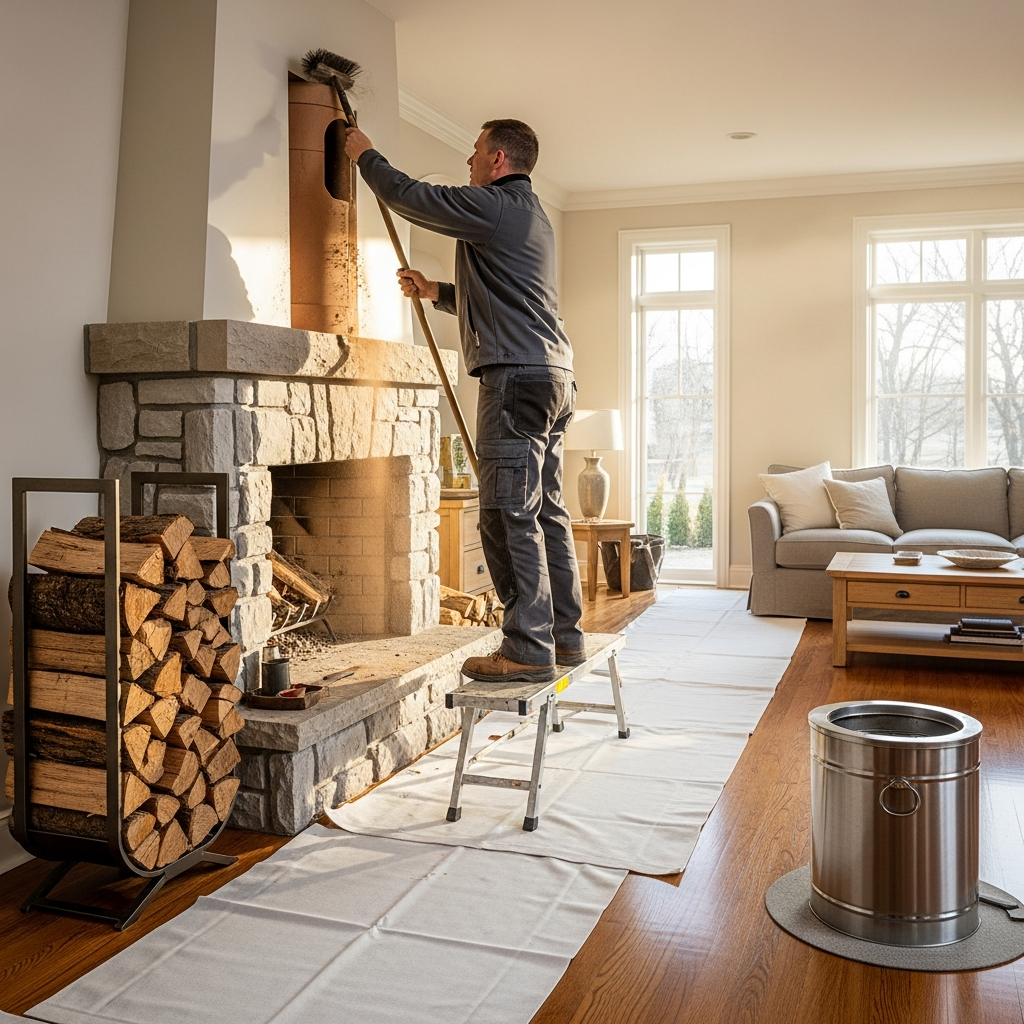
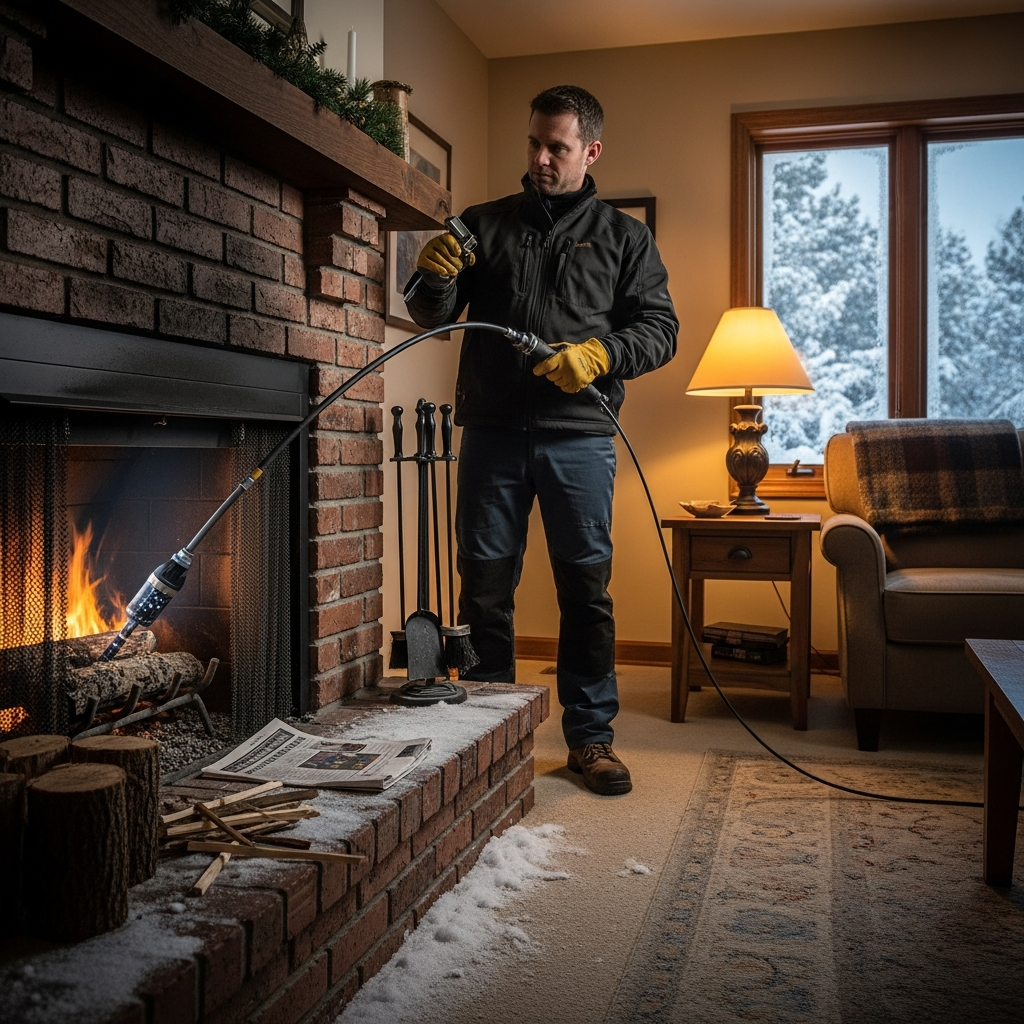
Every appointment begins with preparation. Floors are covered, nearby furniture is protected, and we set up high-filtration vacuums to collect soot at the source. The firebox is cleared and the flue is brushed using tools suited to your system—masonry tile, stainless liner, or the metal flues used in factory-built fireplaces. Where appropriate, a camera inspection follows to check tile joints, liner seams, and any offsets that may trap residue. This step is especially helpful in older homes that have seen renovation over the years, where the flue path can differ from original construction.
As the sweep progresses, we keep an eye on the material we remove. Fine, fluffy soot points to one style of burning; sticky, shiny glaze suggests cooler, smoldering fires or resinous wood. That feedback shapes our recommendations. If you love long, slow burns on weekend evenings, we’ll discuss how to keep them clean-burning. If you prefer quick, hot fires to take the chill off in the morning, we’ll tune your approach there as well.
Why Denver’s climate makes local knowledge essential
At our elevation, air is thinner and the pressure difference that drives draft behaves a bit differently than it does at sea level. On cold mornings, your chimney may need a quick pre-warm to reverse a sluggish column of cold air; on windy afternoons, downdrafts can momentarily push smoke back toward the firebox. We consider these patterns during service and offer strategies that fit your home’s layout—cracking a nearby window briefly at start-up to balance pressure, verifying the damper’s position, or recommending a cap style designed to tame gusty conditions.
Moisture also plays a role. While Denver is famously dry, our spring storms and freeze-thaw cycles challenge masonry crowns and flashing. Small cracks can let water in, leading to faint odors in humid weather or shadowy stains on the chimney face. Because these problems tend to repeat in specific pockets of the city, a local technician often recognizes the telltale signs quickly and proposes solutions matched to our climate rather than generic fixes.
Support for all fuel types, with a focus on wood
We service a range of systems, from classic open-hearth wood fireplaces to modern inserts and wood stoves. Each benefits from regular sweeping to remove combustible residue and ensure clear pathways for exhaust. Wood appliances deserve special attention because their fuel varies so widely by source and storage. We’ll help you evaluate your firewood, from moisture content to split size, and explain how those details show up as soot patterns in the flue. A few small adjustments in how you stack, season, and start fires can dramatically reduce buildup.
Gas log sets and direct-vent units are also part of many Denver homes. While they produce less soot, they still benefit from periodic checks to confirm that vents are unobstructed and that carbon monoxide can exit the home safely. If you’ve converted from wood to gas in years past, a camera pass can confirm whether your liner and termination are still configured correctly for the new appliance.
Mid-season checkups and why timing matters
Early fall fills calendars quickly as homeowners ready their hearths for the first real freeze. If you’ve missed the pre-season window, don’t worry—mid-season appointments are common and often quite helpful for frequent burners. A well-timed visit sweeps out the residue from those long holiday fires and resets your system for the remainder of winter. We often combine a mid-season sweep with a conversation about burn style, a review of the cap’s condition, and tips for managing ash safely when you’re using the fireplace several times each week.
For those who burn sporadically, a single annual visit usually does the trick. The important part is consistency. Regular care catches small issues before they grow—like a loose mortar joint, a worn damper plate, or early signs of moisture intrusion around the crown or flashing. This is the everyday advantage of having a go-to local professional who knows your chimney’s history.
The value of a trusted neighborhood team
There is a comfort to seeing the same truck on your block each year and familiar technicians who remember the particulars of your home. We keep notes on cap styles, damper type, flue configuration, and any past recommendations, so each visit builds on the last. That continuity is especially helpful after windstorms, hail, or roof work, when a quick follow-up makes sure everything from the flashing to the termination cap still looks and performs as it should.
Midway through many appointments, homeowners ask how to gauge when it’s time to schedule next. The answer depends on how you burn, the species of wood, and your appliance type, but local experience provides a reliable baseline. If you’re unsure, we’ll give you a practical interval based on what we found in your flue and how often you tend the fire. And if you find yourself using the fireplace more than expected, a mid-winter chimney sweep keeps everything on track.
Frequently asked questions
Q: How long does a typical appointment take? A: Most visits are completed in a single trip. The duration varies by chimney height, access, and how much residue has accumulated, but we work efficiently without cutting corners.
Q: Will you need to go on the roof? A: Often yes. Roof access helps us evaluate the cap, crown, and flashing, and it allows a complete clean from top to bottom. Safety gear and appropriate ladders are part of every setup.
Q: Can you help with smoky starts? A: Absolutely. We check for obstructions, verify damper operation, and discuss start-up techniques. In some cases, cap upgrades or minor adjustments to your burning routine make a noticeable difference.
Q: Do you service factory-built fireplaces? A: Yes, and we tailor tools and methods to the manufacturer’s guidelines. These systems benefit from regular care just as masonry chimneys do.
Q: What should I do before you arrive? A: Please avoid burning for at least 24 hours prior, and clear the area around the hearth so we can protect floors and furnishings efficiently when we set up.
Ready to schedule with a local expert?
If you’re looking for dependable chimney sweeping near you, we’re right here in Denver and ready to help. From first-time evaluations to annual cleanings and mid-season checkups, you’ll get friendly guidance, a clean home, and a fireplace that’s easy to enjoy. Reach out today to book your visit, and let a neighborhood team handle the details so your next fire is warm, bright, and effortless with a trusted chimney sweep that puts your safety and comfort first.