Finding the right company to evaluate your fireplace, stove, or flue in Denver comes down to more than a quick online search. You want professionals who demonstrate technical skill, communicate clearly, and understand how our altitude and weather shape the way systems age. Equally important, you want a company that operates with proper business credentials and recognized industry training. The best way to begin is to reach out and schedule a chimney inspection so you can see firsthand how a thorough process and clear documentation protect your home.
In practice, “licensed” means a company is registered to operate legally and carries appropriate insurance for the work being performed, while individual technicians pursue nationally recognized training and certifications. In Denver, that often includes evidence of business licensing where applicable, proof of liability coverage, and a strong safety program for roof work. Beyond paperwork, reputable companies follow established inspection standards, use specialized tools like flue cameras when appropriate, and deliver reports that make sense to homeowners, real estate professionals, and HOAs alike.
Why local knowledge matters just as much as credentials
Technical training gives inspectors a framework; local experience turns that framework into accurate, practical guidance. Denver’s high elevation affects draft, chinook winds twist around rooflines, and freeze–thaw cycles work on masonry and metal alike. A team that regularly serves neighborhoods from Congress Park to Sloan’s Lake and from Stapleton to Littleton knows where issues tend to emerge and how to prevent them. The difference shows up in small details: proper termination heights on wind-prone ridges, crown designs that shed water away from brick, and chase covers that resist ponding when snow melts in afternoon sun.
Local pros also understand how different building eras present different challenges. A 1920s brick chimney demands gentle preservation strategies and close attention to liners and smoke chambers. A 1990s factory-built system calls for a keen eye on supports, clearances, and the integrity of the chase. Mixed-use buildings and townhomes introduce shared elements and access logistics that require planning and communication. The right company has protocols for each scenario so you get consistent, reliable outcomes.
How reputable companies approach inspections
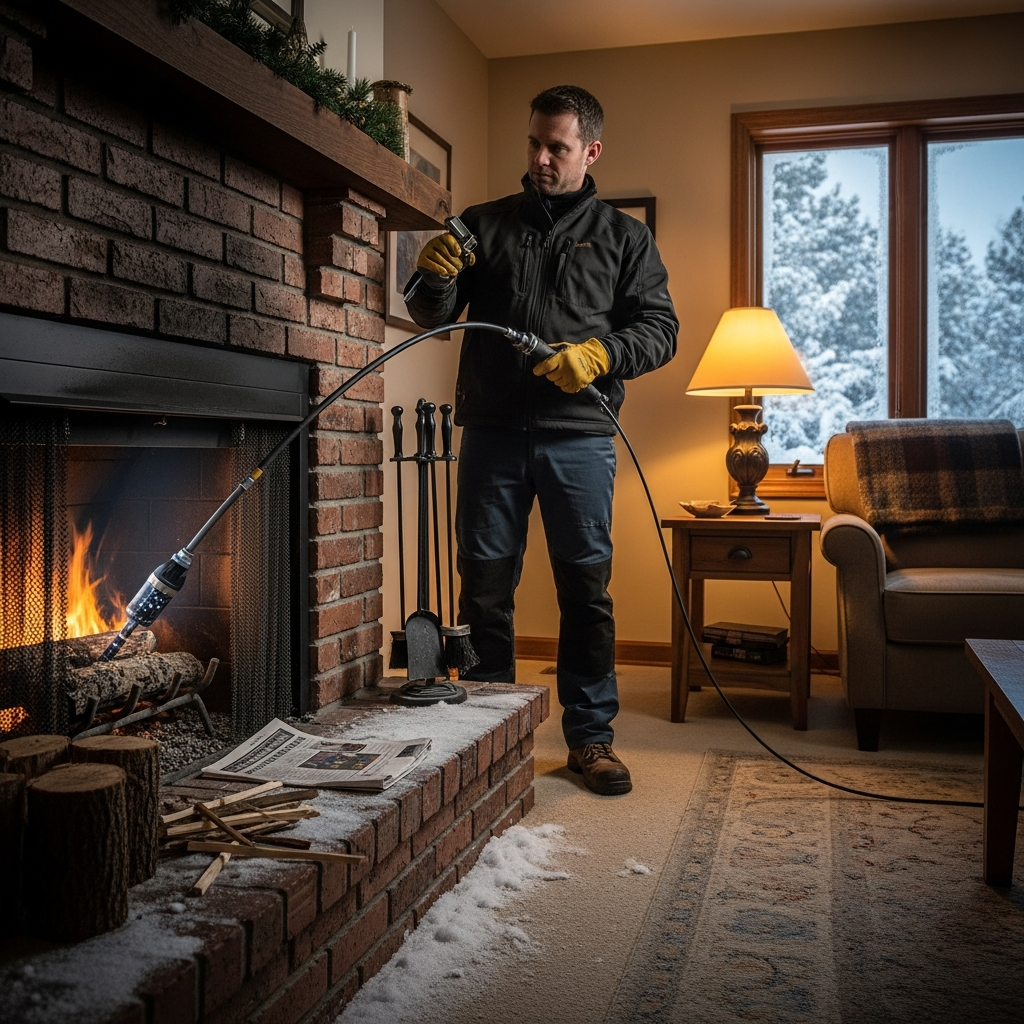
A trusted inspection begins with a conversation: what do you use for heat and ambiance, what symptoms have you noticed, and what modifications—like new roofing or an appliance change—have occurred since the last review? Technicians then assess the appliance or firebox, the connector or smoke chamber, and accessible portions of the flue from both top and bottom as conditions permit. Exterior elements such as crown, cap, chase cover, and flashing are evaluated for water management and attachment. Where appropriate, the team performs a camera scan to document interior conditions and capture video or still images of joints, offsets, and seams.
Good companies emphasize documentation. A strong report includes photos and clear explanations linked to recommendations, which are prioritized so you can plan maintenance. This isn’t only about immediate safety; it’s about establishing a baseline for the future. If you renovate, sell your home, or experience a storm, you have a record that allows you to track changes precisely and act decisively.
Safety culture on the roof and in your home
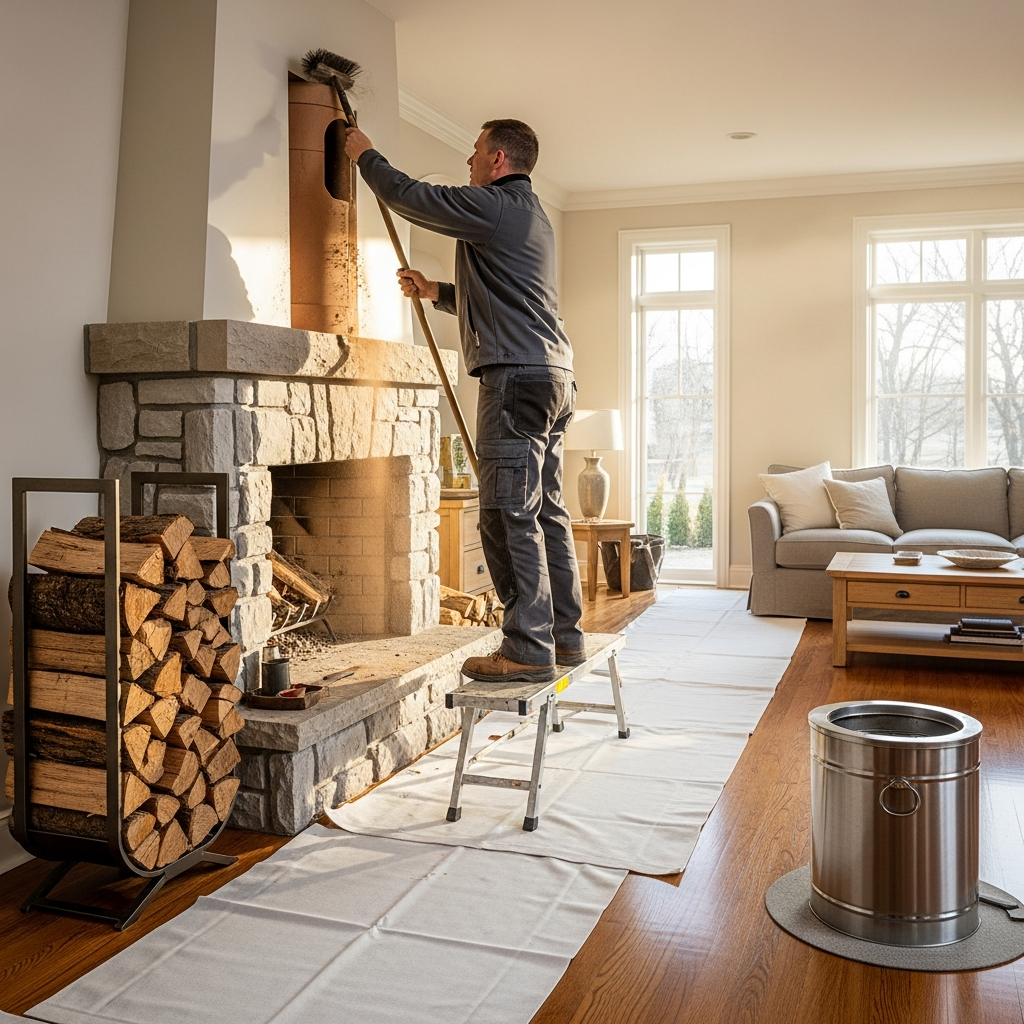
Roof access is serious business in Denver, where snow, ice, and wind can complicate even a straightforward visit. Reputable companies use appropriate ladders, tie-offs when needed, and protective equipment. Inside, they protect the hearth area, keep tools organized, and leave your space as tidy as they found it. This attention to safety and care is a mark of professionalism and speaks volumes about how the company will handle follow-up work.
Communication that builds trust
Licensed firms don’t hide behind jargon. They welcome questions, explain why each recommendation matters, and put findings in practical terms: what protects your structure, what improves draft, and what ensures safe clearances. If a video scan reveals gaps or wear, you see the images. If the crown needs work, you understand how water management at the top influences the entire chimney below. That conversation transforms a technical report into a plan you can execute with confidence.
Working with HOAs, realtors, and contractors
Denver homeowners frequently juggle inputs from property managers, real estate agents, roofers, and masons. Reputable companies are comfortable collaborating. They provide timely reports, answer follow-up questions, and coordinate scheduling so projects move smoothly. If an inspection is tied to a sale or a renovation, having a team that communicates clearly with all parties reduces stress and keeps timelines on track.
When to schedule
While many homeowners call in early fall, savvy planners book in spring or summer to avoid the seasonal rush and allow time for any follow-up work. After significant wind events or heavy wet snow, a quick check can confirm that caps, chase covers, and flashing are still secure. If you’ve just moved in—or changed your heating appliance—an inspection creates a baseline and ensures your system is set up properly for Denver’s conditions.
What to expect from the report
Beyond photos and notes, a quality report highlights priorities and explains the “why” behind each recommendation. Should a cleaning follow the inspection to allow a better camera view? Is a crown repair about aesthetics, water management, or both? Are termination height adjustments advised due to winds on your block? The report should answer these questions in plain language and help you see the pathway from observation to solution.
If you’re sorting through options and want to see how a professional approach looks in real life, schedule a Denver chimney inspection with a local company that pairs strong credentials with practical, neighborhood-specific experience. Ten minutes on the phone can be enough to outline a plan that fits your home and your timeline.
FAQ
What does “licensed” mean in this context? It refers to a company that operates legally with proper business registrations and appropriate insurance, and whose technicians follow recognized industry standards and training. It also reflects a commitment to safety protocols and professional communication.
Do all companies provide camera scans? A camera scan is used when it adds value—such as property transfers, appliance changes, or suspected interior issues. Reputable firms explain when and why it’s recommended for your system.
How long does an inspection usually take? Timing varies with access, roof conditions, and the type of system. Your technician will outline the plan, work methodically, and prioritize safety on the roof and in your home.
Can inspectors work with my HOA or realtor? Yes. Trusted companies routinely coordinate with property managers and real estate professionals and provide documentation aligned with their timelines and requirements.
What should I do before the appointment? Clear the hearth, ensure access to mechanical rooms if applicable, and share any recent remodeling or roofing work. This information helps the team tailor the inspection.
Take the next step with confidence
If you value clear communication, strong credentials, and local know-how, book a professional chimney inspection today. The right team will provide the insight and documentation you need to keep your Denver home safe, comfortable, and ready for every season.