When you search for a trusted professional near you in Denver, you are really looking for three things: a thorough process, clear communication, and local expertise that anticipates the quirks of Front Range homes. From Berkeley bungalows to Aurora townhomes and foothills cabins, a qualified inspector understands how rooflines, wind patterns, and altitude shape the way a chimney drafts and weathers over time. The best place to start is to schedule a chimney inspection and get a baseline assessment, so your next heating season begins with confidence rather than guesswork.
Trust is built on transparency. Before the appointment, a reputable pro will discuss access, the type of appliance you use—open fireplace, wood stove, pellet stove, or gas insert—and any symptoms you have noticed, such as smoke backing up on cold mornings or a faint odor when it rains. On the day of the visit, expect a walk-through of the fireplace or appliance, the smoke chamber or connector pipe, and the flue from both top and bottom as conditions allow. Exterior components like the crown, cap, and flashing are evaluated for water management, while interior components are checked for wear, clearance, and proper operation.
Why local experience matters in Denver
Our climate is a powerful teacher. The high-altitude air is thinner, which changes draft characteristics and can magnify small venting issues. Chinook winds push against caps and termination points, and freeze–thaw cycles create pathways for moisture in masonry. A local inspector recognizes the patterns: where creosote tends to condense in valley neighborhoods, how modern high-efficiency gas appliances interact with older flues, and why a perfectly sealed crown can still allow wind-driven snow under certain conditions. That pattern recognition saves time and leads to practical, durable recommendations.
Neighborhood context matters too. In Wash Park and Park Hill, you may find vintage brick chimneys with original liners that deserve careful preservation. In Stapleton and Lowry, factory-built systems dominate, and the details of support brackets, chase tops, and clearances take center stage. In mountain-adjacent communities, wildlife and wind make spark arrestors and caps especially critical. A trusted pro tailors the inspection to the home, not the other way around.
What a comprehensive inspection looks like
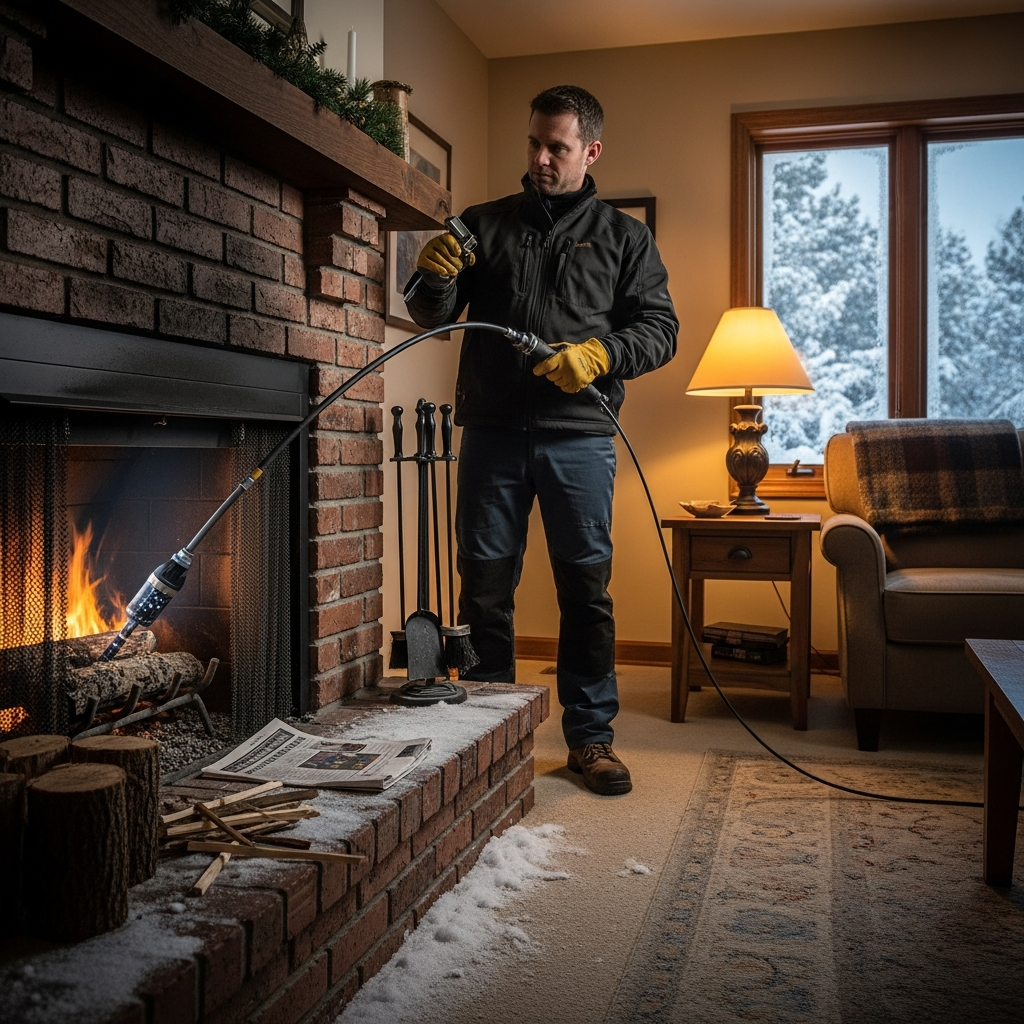
A thorough appointment is both methodical and informative. After documenting the appliance and hearth, the inspector examines connections, joints, and transitions to ensure smooth flow and proper clearances. If the flue interior needs closer evaluation, a video scan is performed to review tile joints, offsets, or factory-built seams. The exterior receives equal attention: the chimney crown should shed water away from the structure; the cap should provide weather protection and screening; and flashing must be sealed and integrated with roofing materials. Photographs and clear notes capture findings at each step, forming a report you can reference during future maintenance or real estate transactions.
Communication is the hallmark of a trusted relationship. The best inspectors invite questions and link each recommendation to a specific safety or performance outcome. Instead of jargon, you get understandable explanations—why a small smoke stain indicates negative pressure, how a chase cover’s tiny dip can pond water, and what those white mineral stains on brick really mean. With context, you can prioritize actions and plan ahead.
When timing makes the difference
Denver’s calendar is as important as its map. Many homeowners wait until early fall to call, only to discover appointment slots are tight. Scheduling after winter while the season’s experience is fresh—or in early summer when weather is cooperative—often leads to faster turnaround. If there was a strong wind event or heavy wet snow, a prompt check can confirm everything held tight and catch small problems before they grow.
Preparing your home for the visit
A little preparation smooths the day. Clear the hearth area and move fragile décor, provide access to basements or utility rooms if your furnace or water heater vents into a chimney, and let the inspector know about recent roofing or remodeling work. If you have pets, plan for their comfort and safety, as doors may be opened for equipment. These small steps allow the inspector to stay focused—and efficient—so nothing is missed.
For multi-unit buildings or HOAs, coordinate entry logistics and confirm any community requirements. A trusted inspector is comfortable working with property managers and can provide documentation that aligns with association needs, including photos and concise summaries for shared records.
Common signs it’s time to call
Not all signals are dramatic. A faint campfire odor during humid weather, soot flakes on the hearth, unexplained white staining on exterior brick, or small rust marks on a chase cover all merit attention. Changes in performance after installing an insert or switching fuels are also reasons to schedule a review. If your home has changed hands since the last assessment—or if you simply don’t know the system’s history—an inspection provides clarity and a plan.
The power of a clear report
Documentation matters. A trusted inspector delivers more than a checklist: you get photos, narrative explanations, and prioritized recommendations. This becomes your reference for future maintenance and a tool for conversations with roofers, masons, or HVAC pros if follow-up work is needed. Should you sell your home, the report can streamline buyer questions and keep the transaction moving on schedule.
Mid-project check-ins and post-repair verifications
Quality professionals don’t vanish after the first visit. If repairs are undertaken—tuckpointing, crown replacement, liner updates, or cap installations—a follow-up verification confirms the work meets standards and integrates smoothly with the rest of your system. Think of it as quality control that protects your investment and ensures long-term performance through Denver’s toughest weather.
If you have been comparing options and wondering who to call first, a conversation with a local expert can quickly clarify your best next step. Whether you burn occasionally for ambiance or rely on a stove for regular heat, an early-season Denver chimney inspection sets you up for comfort and peace of mind.
FAQ
How long does a typical inspection take? It depends on roof access, appliance type, and whether a camera scan is appropriate. Your inspector will work methodically and explain the process so you know what to expect at each stage.
Do I need to be present? It’s helpful. Being available allows the inspector to ask about the system’s history and usage, and gives you the chance to review findings in real time with photos and clear explanations.
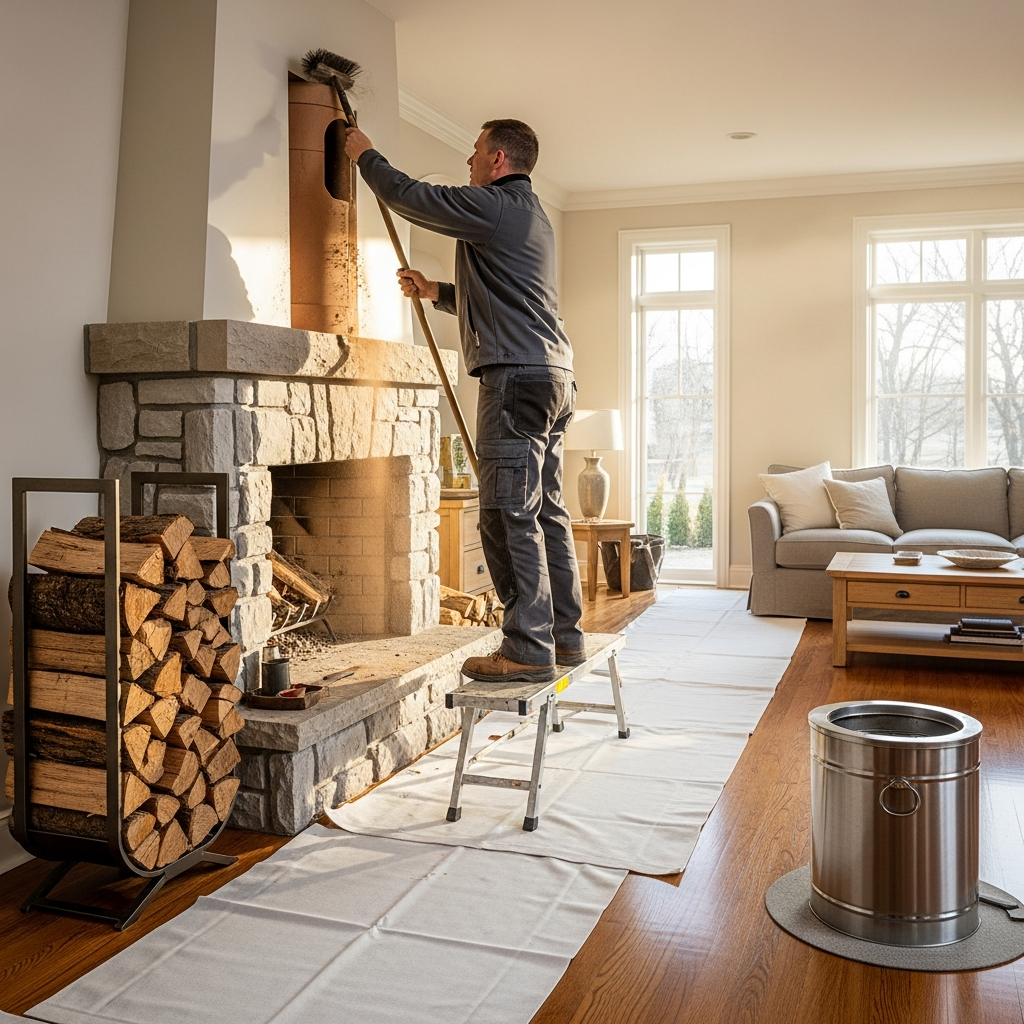
Will there be a mess? A trusted pro protects your home with drop cloths and careful handling of equipment. If a cleaning is needed, containment measures are used to keep dust to a minimum and leave your space tidy.
How often should I schedule an inspection? Frequency depends on use, fuel type, and recent changes to the system. Many homeowners schedule annually as part of routine maintenance, especially before the heating season.
What if my home has multiple flues? Each flue is evaluated on its own merits, with specific notes and photos so you can track the condition of fireplaces, stoves, and mechanical vents independently.
Ready to move forward?
If you want a reliable, local expert who will explain your options clearly and prioritize safety, book a professional chimney inspection today. With the right eyes on your system, you’ll be ready for crisp fall evenings and snowy winter weekends—without surprises.