
If you have lived in Denver for any stretch of time, you already know our homes endure a unique mix of high altitude, dry air, and dramatic temperature swings. Fireplaces and stoves that seem to behave perfectly in September can smoke out a room during a windy January evening, and what looked like a tidy flue after a light fall of snow can reveal heavy creosote buildup by spring. That is why finding truly local, trusted professionals matters so much when you search for chimney cleaning near you. The right team understands not only how to remove soot and debris, but also how Denver’s weather patterns, rooflines, and building styles change the way a chimney drafts, breathes, and stays safe all year long.
From Washington Park bungalows to Highlands Victorians, and from newer builds in Central Park to hillside homes near Golden, each style and age of chimney behaves a little differently. A seasoned technician looks at the whole system—appliance, flue, crown, cap, and masonry—to diagnose what it needs today and what it will need a season or two from now. If you are starting your search or simply trying to understand what a truly thorough service looks like, it helps to have a reliable point of reference for chimney cleaning and maintenance expectations in our region.
Why local expertise makes a difference in Denver
Denver’s high elevation affects the way air moves through a flue. Reduced oxygen and thinner air can accentuate drafting issues that would barely show up at sea level. Add in the way our afternoon winds swirl around taller buildings and foothill terrain, and you get a recipe for occasional backdrafting, smoky starts, and stubborn odors. Local pros have years of pattern recognition in these specific conditions. They can spot common culprits—like a cap that sits too low, a crown that funnels moisture toward the flue tile, or a soot shelf collecting debris during chinook winds—and correct them before they become bigger headaches.
Neighborhood by neighborhood, materials also vary. Many older Denver homes still have clay tile flues, while renovated properties may include stainless steel liners sized to newer gas inserts. Each material responds differently to heat stress and to the dry-cold cycling that defines Front Range winters. An experienced technician will read those clues immediately, recommending cleaning approaches and maintenance schedules that respect the age and composition of your system rather than treating every chimney like a generic, one-size-fits-all project.
What a thorough cleaning actually includes
When homeowners ask what “chimney cleaning” really covers, I describe it as both a housekeeping service and a health check. Yes, the visible soot and creosote are removed from the flue, smoke chamber, and firebox, but a quality visit also observes the system in operation. Draft is evaluated, the damper is tested, and the flue is inspected for continuity. With modern tools—flexible rods, appropriately sized brushes, high-efficiency vacuums, and often a camera—pros can clear deposits while confirming that joints are sound and that there are no gaps, obstructions, or missing components that would compromise safety.
A good cleaner also protects your home while they work. Expect drop cloths, sealed vacuum collection, dust control methods, and careful handling of ash. Denver’s dryness means ash can float and spread quickly; the right setup keeps it contained. The goal is to leave your hearth safer and your living room spotless, with a clear explanation of what was done and what—if anything—deserves attention before the next burn season.
Seasonal realities along the Front Range
We enjoy long sunny stretches punctuated by sudden cold snaps, and that rhythm can lure even careful homeowners into late-season rushes. In early fall, it is common for schedules to fill quickly. Spring, on the other hand, is a great time to clean after a heavy winter of use, because technicians can assess moisture-related wear and tear before storms give way to summer sun. Regardless of the season, regular cleaning keeps the system predictable. Creosote accumulation is not uniform; a few roaring fires with resinous wood will build deposits differently than slow, smoldering burns. The only way to know where you stand is to look and to clean on a consistent cadence.
Altitude also changes how wood behaves. Firewood that is perfectly seasoned in a coastal climate can still hold more moisture than you think in Denver, leading to cooler flue temperatures and more condensation. Over time, that creates sticky deposits that are tougher to remove than loose soot. A local technician will discuss wood choices, storage tips, and burn practices specifically for our dry, high environment, offering practical suggestions that make your next cleaning easier and your fires more enjoyable.
How trusted pros approach problem-solving
Most homeowners call for cleaning, but the visit often uncovers small issues that—if fixed early—prevent larger repairs. Maybe a cap is undersized, allowing embers to blow onto the roof during a windy night. Maybe the chimney crown has begun to crack, channeling meltwater into your masonry where freeze-thaw cycles can expand the damage. Perhaps the smoke chamber needs smoothing to reduce turbulence and improve draft. In each case, a seasoned local pro will explain what they are seeing, show images if needed, and describe the pros and cons of acting now versus monitoring. That transparency builds trust, because you can plan your maintenance instead of reacting to unpleasant surprises in the middle of winter.
And then there are the mysteries—the faint, smoky odor on warm days, the occasional chirping or scratching, the draft that seems fine when the upstairs bathroom window is open and temperamental when it is shut. Denver homes, especially those with modern, tightly sealed envelopes, can create pressure imbalances. A professional who understands makeup air, competing vents, and whole-house dynamics can often solve a smoky fireplace with adjustments that do not involve heavy construction. That kind of problem-solving is where local expertise shines.
Denver rooftops, safety, and access
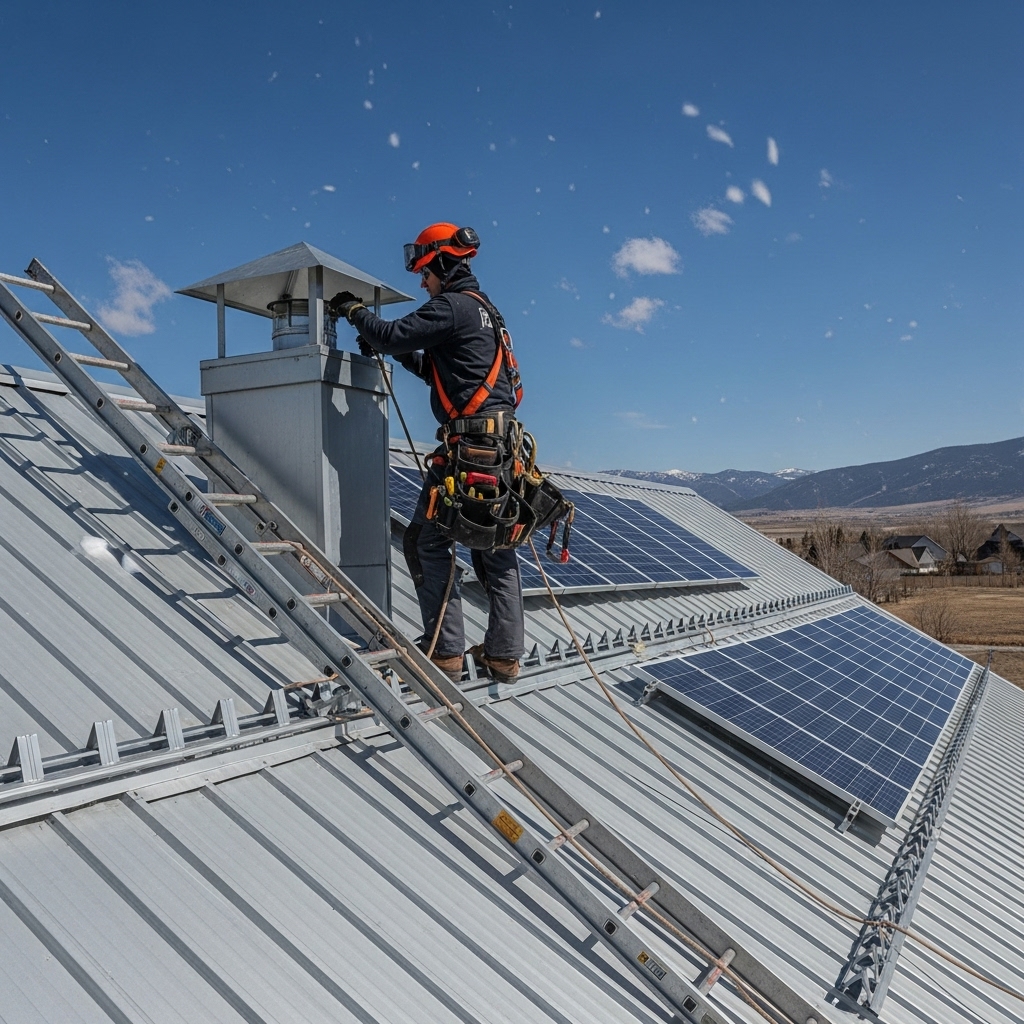
Our mix of steep pitches, snow guards, and rooftop equipment makes safe access a major part of the job. Trusted companies arrive with the right ladders, roof protection, and fall-safety gear, and they know how to work around solar arrays and metal roofing without damage. They also know when conditions are not safe and will reschedule rather than risk injury or harm to your property. That judgment, built on experience across Lakewood, Littleton, Arvada, and Aurora, saves everyone headaches.
Remember that access matters inside, too. Technicians will want a few clear feet around the hearth for tools and tarps. If you have delicate rugs or furniture nearby, a quick conversation about protection before the appointment ensures the workspace suits both cleanliness and safety. A tidy work area speeds the visit and lets your tech focus on the heart of the job—making your system cleaner and safer.
Mid-season tune-ups and why consistency wins
Many Denver households rely on wood or gas units daily during cold stretches and hardly at all during mild weeks. That uneven usage pattern can hide the moment when it is time for attention. A consistent schedule, coupled with quick touch-base inspections after heavy-use periods, keeps surprises at bay. In fact, a mid-winter check can verify that everything is performing as expected and that no nesting or debris has made its way under the cap during windy nights. A proactive mindset is the single best way to keep your hearth enjoyable and dependable from first frost to spring bloom.
Of course, the core of that routine is professional chimney cleaning performed with care and local insight. When the people servicing your home know the neighborhoods, the weather, and the building nuances, they do not just clean; they coach, prevent, and protect.
What to expect during your appointment
Your visit should start with a conversation about how the system has been behaving. Share any smoke, odor, or draft quirks you have noticed. A pro will then protect the area, examine the firebox and damper, and assess the flue from the bottom and, when appropriate, from the roof. Cleaning is methodical: brush selection matches the flue’s size and material, vacuuming is continuous to maintain air quality, and a final inspection confirms that deposits are removed. If a camera is used, you’ll see what the technician sees, which makes follow-up decisions much easier.
Before they leave, expect a clear summary of findings. If everything looks great, you’ll know exactly when they recommend the next check. If something needs attention, you will understand why and what your options are. That way, maintenance becomes a plan instead of a worry.
FAQs: Denver chimney cleaning, answered by a local
How often should I clean my chimney in Denver? Frequency depends on your use, fuel, and system type, but many households benefit from annual cleaning and inspection. Our dry climate and windy conditions can accelerate certain kinds of buildup and debris, so a yearly look is a reliable baseline. If you burn heavily or notice changes in performance, consider a mid-season check as well.
What are the signs that my chimney needs attention? Smoky starts, a campfire odor on warm days, visible soot falling into the firebox, and a damper that sticks or will not seal are common flags. Birds investigating your cap or bits of vegetation in the firebox can also indicate an obstruction that needs clearing.
Do gas fireplaces need cleaning, too? Absolutely. Gas burns cleaner than wood, but it still produces byproducts and requires ventilation. Dust, pet hair, and debris can accumulate, and components like the pilot assembly benefit from periodic maintenance. The venting system should be inspected to confirm it is drafting properly.
Is DIY chimney cleaning a good idea? Light stove maintenance is fine for experienced homeowners, but full flue cleaning and inspection are best left to trained professionals. It is not just about brushing; it is about recognizing subtle issues inside the flue and on the roof that influence safety and performance.
How long does a typical visit take? Time varies with system complexity and access, but a straightforward appointment commonly fits within a morning or afternoon window. Your technician will give you a realistic estimate for your specific setup when you schedule.
Will cleaning make a mess in my living room? A respectful, prepared crew will keep your home clean. With proper containment, high-efficiency vacuums, and methodical workflow, your space should look as tidy when they leave as when they arrived, just with a safer, ready-to-enjoy hearth.
Can you service homes in the foothills and higher elevations near Denver? Yes. Local pros regularly work across the metro area and the nearby foothill communities. They adapt to access considerations, weather windows, and altitude-related drafting nuances common in those areas.
What if I rarely use my fireplace? Even infrequent use warrants periodic inspection. Animals sometimes test caps, storms can shift components, and masonry still weathers. A light-use household may need cleaning less often, but inspections help catch issues early.
Why does my chimney smell more on hot days? Warm air can draw odors down a chimney if household pressure is lower indoors than outdoors. Cooking vents, bathroom fans, or a tight building envelope can create that imbalance. A professional can recommend adjustments that reduce those odors.
Do you also address minor masonry concerns discovered during cleaning? Many chimney specialists handle small repairs and will advise you when a mason is the better fit for larger projects. The key is that any recommendation follows a clear explanation of what was observed.
Whether you are in Capitol Hill, Sloan’s Lake, or a new development on Denver’s east side, your fireplace should be a comfort, not a question mark. If you are ready to enjoy smoother drafts, cleaner glass, and peace of mind through the heart of winter and beyond, schedule professional chimney cleaning with a trusted Denver team today. Reach out, share what you are experiencing, and let a local expert tailor the visit to your home, your habits, and our distinctive Front Range conditions.