
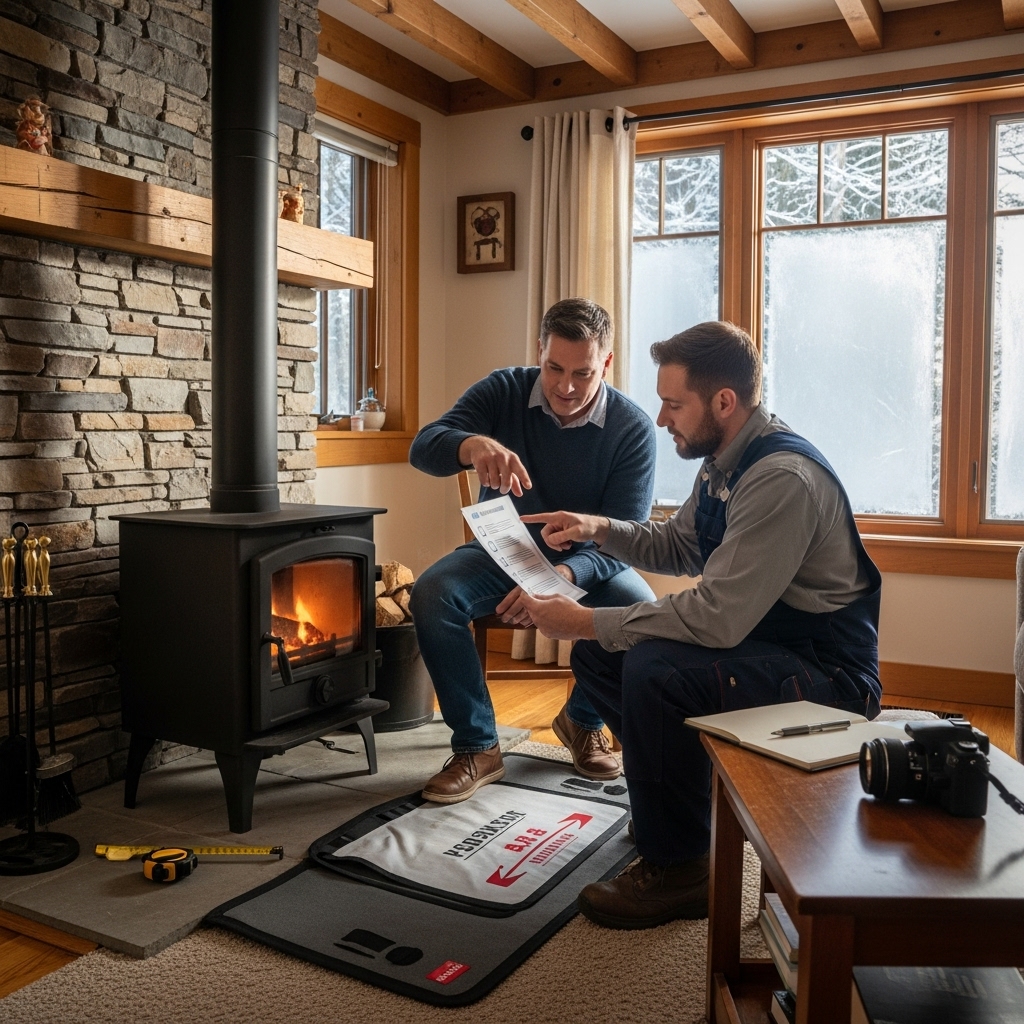
Fort Collins blends historic neighborhoods, energy-conscious new builds, and a lifestyle that prizes fresh air and cozy gatherings. To keep your fireplace or stove ready for crisp evenings and winter storms, a systematic annual checklist is your best friend. This guide lays out a practical, Fort Collins–specific plan you can follow every year, from pre-season prep to post-burn review. It tells you what to do yourself, what to leave to a pro, and how local weather interacts with your system. If your calendar fills quickly in fall, it helps to schedule chimney cleaning ahead of the rush so you get your preferred time.
Step 1: Gather Your Records and Tools
Start with information. Pull last year’s service report, photos, and any notes you made about odors, smoke behavior, or weather-related issues. Collect appliance manuals, especially for inserts, stoves, and gas units. Make a small toolkit: flashlight, tape measure, painter’s tape, a notepad, and your phone or camera. These basics help you document visible conditions and communicate effectively with your technician.
Step 2: Exterior Walk-Around
Take a slow lap around your home. From the ground, look at the chimney or chase. Do you see a secure cap? Is the crown or chase cover intact, with no obvious cracks or uplifted edges? Are mortar joints solid, or is there spalling brick or missing mortar? Check where the chimney meets the roof; look for signs of flashing issues such as rust streaks, lifted shingles, or sealant failures. In Fort Collins, spring hail and fall winds can loosen fasteners and dent thin metal, so note anything that looks out of place.
Step 3: Interior Hearth Area Check
Inside, clear the hearth area. Inspect the firebox, doors, and damper. For stoves and inserts, look at gaskets around doors and glass—if they are frayed or hardened, they may no longer seal. Operate the damper to ensure it moves smoothly. Note any unusual odors, especially during humid weather or after rain, as these can indicate moisture interaction with deposits in the flue.
Step 4: Fuel Strategy for Northern Colorado
Good fuel choices reduce residue and make fires easier to manage. Use well-seasoned wood that has been split and stacked under cover for many months. Keep it elevated on racks to allow airflow. In our dry climate, wood can season nicely, but do not store large quantities indoors; insects and moisture balance are concerns. For pellet users, buy quality pellets and store them in a dry place. For gas units, review the manufacturer’s recommendations for annual checks of logs, burners, and venting.
Step 5: Draft and Make-Up Air
At our elevation, draft on a cold start can be sluggish. Plan to preheat the flue by holding a small, twisted newspaper at the damper area before your first fire of the season. Identify nearby sources of make-up air—a cracked window or a dedicated vent can help. Be aware that kitchen hoods, bath fans, and dryers can pull air down a cold flue; coordinate appliance use during start-up to favor upward flow.
Step 6: Professional Evaluation and Cleaning
Some steps belong in expert hands. A trained technician will brush the flue, clear the smoke chamber or baffles, verify cap condition, and document any concerns. They will use HEPA filtration to control dust and keep living spaces clean. After the visit, you should receive a written summary with photos so you can compare year over year. Many Fort Collins homeowners like to book professional chimney cleaning either before the first cold snap or immediately after the heaviest winter use to reset the system for spring.
Step 7: Protective Components
- Cap: Confirm secure fasteners and appropriate mesh size to balance ember control with airflow.
- Crown or chase cover: Look for cracks, rust, or lifted edges; water intrusion accelerates damage.
- Flashing: Examine the roof–chimney junction from the ground and attic if safely accessible; report staining or dampness.
- Top-sealing damper (if present): Check operation and seals for smooth movement.
Step 8: Smoke Chamber and Firebox
The smoke chamber’s shape affects flow. Rough or stepped transitions create turbulence that traps soot. Your technician may recommend smoothing for efficiency and cleanliness. In the firebox, look for loose bricks, cracked refractory panels, or deteriorated mortar joints. Addressing these early prevents small issues from becoming larger ones under winter stress.
Step 9: Stove and Insert Focus
For wood stoves and inserts, remove and inspect baffles as the manufacturer recommends. Clean the glass using appropriate methods and verify door latch tension. Replace worn gaskets to ensure airtight control. Confirm that the connector pipe is properly supported and that clearances to combustibles are respected. If your system includes an outside air kit, verify that the pathway is unobstructed.
Step 10: Pellet System Particulars
Pellet appliances excel in efficiency but need targeted care. Empty ash traps, verify clean-out tees are clear, and inspect elbows where ash accumulates. Check the condition of door and hopper gaskets. Have a professional evaluate the exhaust pathway and fans; dust and ash on motors can reduce performance over time.
Step 11: Gas Appliance Essentials
For gas fireplaces and logs, inspect the vent termination for corrosion or blockages. Verify that logs are positioned according to the manual, as placement affects flame pattern and byproducts. Have a technician check burners, pilot assemblies, and the venting system to ensure safe operation.
Step 12: Safety Devices
Test smoke and carbon monoxide alarms and replace batteries as needed. Keep an extinguisher within easy reach of the hearth. Review safe clearances for decor and stockings during the holidays. If you have children or pets, consider a protective screen to reduce contact with hot glass on gas units.
Step 13: House Pressure and Venting Balance
Tight, energy-efficient homes can experience negative pressure that draws air down a cold chimney. If you notice smoky starts or lingering odors, talk to your technician about ventilation strategies. Sometimes a slight crack in a nearby window during start-up, or adjustments to an HRV/ERV, can make a notable difference.
Step 14: Moisture Management
Fort Collins weather can move from dry sunshine to sticky snowfall overnight. Moisture that enters through a compromised crown, chase cover, or flashing can lead to stains, odors, and structural wear. Regular checks and timely sealing keep the envelope resilient. Indoors, maintain reasonable humidity to prevent condensation on cold surfaces near the hearth.
Step 15: After-Visit Documentation
Once your professional visit is complete, add the report and photos to your home file. Note any recommended follow-ups and set reminders. If you plan upgrades—such as adding an insert to an open fireplace—share your goals with your provider so they can plan appropriately and explain how the change affects maintenance.
Frequently Asked Questions
How often should I schedule service in Fort Collins? Many households prefer yearly evaluation, with more frequent visits for heavy wood use. Gas and pellet appliances still need periodic checks to verify vent integrity.
Why does my fireplace smell after rain? Deposits can absorb moisture, releasing odors into living spaces. Professional cleaning combined with improved airflow strategies usually helps.
Is the process messy? With floor protection and HEPA filtration, the visit should be tidy. Your living area remains clean and ready to enjoy.
Do pellet stoves require different care? Yes. Their venting includes more elbows and tees where ash collects. Regular attention to these points maintains efficiency.
Can animals get into my chimney? Without a proper cap or with damaged mesh, birds and small mammals may nest. A robust cap keeps wildlife out while supporting exhaust.
Do gas units need professional attention? They do. Even clean-burning appliances produce moisture and trace residues that can corrode components over time. Periodic checks verify safe operation.
Fort Collins Rhythm: Pre- and Post-Season
Make a habit of two quick check-ins each year. Before the season, ensure caps, crowns, and flashing look sound and that your fuel plan is set. After the heaviest use, consider another look or a service visit to remove residue, verify roof components after winter storms, and set a clean baseline for spring. Keeping records year over year helps you catch patterns early.
Confidence Around the Hearth
With a simple annual plan, you can keep your fireplace or stove performing smoothly in Fort Collins’ variable weather. Partner with a professional who documents their work, explains findings, and helps you prioritize. When you are ready, book your next chimney cleaning with a team that knows Northern Colorado homes and enjoy clean, efficient fires all season long.