
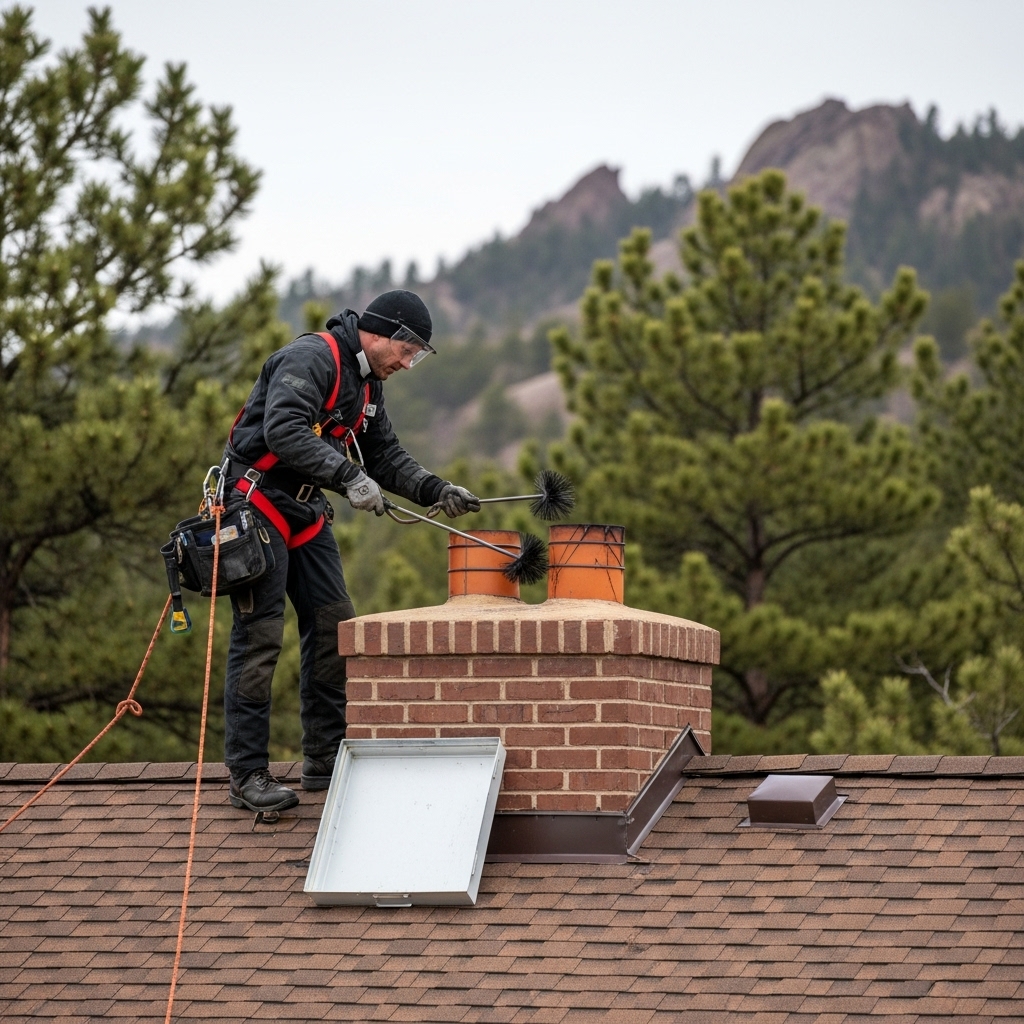
Boulder’s foothills location, with its strong chinook winds and quick weather changes, makes fireplace and flue care uniquely important. Whether your home is a classic brick bungalow near Mapleton Hill or a modern build perched against open space, your chimney faces intense sun, sudden cold snaps, and gusts that test every cap, crown, and seam. This guide explains the full spectrum of chimney cleaning and sweeping services available in Boulder, what a meticulous visit includes, and how to keep your system performing safely year after year. If your calendar fills quickly, consider booking chimney cleaning at the start of the season to secure the timing you want.
What a Comprehensive Service Visit Looks Like
Quality care begins before a brush ever touches the flue. A professional team starts with questions about your appliances, usage patterns, and any symptoms such as odors, smoke roll-out, or performance changes on windy nights. They protect floors and furnishings, stage a HEPA-filtered vacuum, and choose brush heads matched to your liner material. For masonry chimneys, they review the firebox, damper, smoke chamber, liner joints, crown, flashing, and cap. For factory-built systems common in newer Boulder homes, they verify clearances, inspect the chase cover, and confirm that listed components remain intact and properly supported.
Mechanical cleaning addresses soot and creosote. The technician brushes the flue, clears the smoke shelf, and removes deposits from baffles and connectors where applicable. On the roof, they clean and inspect the cap and confirm that spark arrestor mesh balances ember control with adequate exhaust. Where conditions call for it, a camera documents liner condition and offsets. The visit concludes with a written summary and photos so you can track your system’s health over time.
Boulder’s Climate Challenges
Our city’s dramatic temperature swings stress masonry and metal alike. Freeze–thaw cycles can widen hairline cracks in crowns, while intense sun accelerates aging of some sealants. Wind drives leaves and needles against cap screens, and snowmelt tests flashing around the chimney’s base. In neighborhoods adjacent to open space, wildlife—from birds to raccoons—may view an uncapped flue as shelter. Proactive maintenance tailored to these conditions pays dividends in safety and longevity.
Appliance Types and Their Needs
- Open masonry fireplaces: Require periodic brushing of the flue, smoke chamber attention, and careful review of firebox and mortar joints.
- Inserts and wood stoves: Need baffle and connector cleaning, gasket checks, and confirmation that clearances remain within specifications.
- Pellet stoves: Accumulate fine ash at elbows, tees, and clean-outs; motors and blowers benefit from regular care.
- Gas fireplaces and logs: Produce moisture and trace residues; venting integrity and corrosion checks are essential.
Protective Components That Matter in Boulder
Caps are your first line of defense. In windy conditions, a robust cap keeps embers contained and animals out while supporting draft. Crowns or chase covers should shed water effectively; micro-cracks or loose fasteners invite moisture into the structure. Flashing at the roof-chimney junction deserves regular attention, as hail and snowmelt can exploit small gaps. Inside, a smoothed smoke chamber reduces turbulence that otherwise traps soot and slows exhaust.
How to Choose a Boulder Provider
Look for a company that brings both technical depth and neighborly care. They should explain their process clearly, plan ladder and anchor placement for the steep roofs common in foothill neighborhoods, and provide documentation you can keep with your home records. Ask about experience with your specific appliance type and home style. A team that serves Boulder regularly will recognize how canyon winds influence draft and how to mitigate those effects.
Preparing for the Appointment
Do not burn for at least 24 hours prior so the system is cool. Clear the hearth and nearby area of fragile items, and ensure driveway or curb access for equipment. If you have noticed odors in wet weather, smoke on start-up, or noises on windy nights, note those patterns. If you maintain a pellet stove, mention the last time the tees and clean-outs were serviced. For gas units, let the technician know the brand and model if available from the data plate.
On the Day: What to Expect
The technician will walk you through the plan and set protective coverings. They will brush and vacuum as needed, inspect on the roof, and document findings. If they recommend protective improvements—like a cap upgrade, crown sealing, or flashing touch-ups—they will show you photos and explain the rationale. For many homeowners, seeing the interior of the flue or the top of the chimney in photos demystifies the system and makes decision-making straightforward.
Common Boulder-Specific Symptoms
- Wind-triggered smoke roll-out: Often related to airflow dynamics and cap design.
- Odor after spring snow: Deposits can absorb moisture; a thorough cleaning and improved ventilation strategy help.
- Grit in the firebox: Wind-blown debris drawn into the chimney through screens.
- Animals nesting: Uncapped or damaged caps invite birds and small mammals.
Habits That Support a Cleaner System
Burn well-seasoned wood and build smaller, hotter fires to reduce soot. Keep combustibles away from the hearth and maintain clearances specified by the appliance manufacturer. Let the flue warm at start-up to encourage upward draft, and avoid smoldering fires that produce heavy smoke. Test smoke and carbon monoxide alarms seasonally. Keep a simple record of visits and recommendations for easy reference.
Frequently Asked Questions
How often should I schedule service? Many households prefer annual evaluation, with more frequent visits for heavy wood use. Even if you primarily use gas, periodic checks verify vent integrity and catch corrosion early.
Do pellet stoves need professional care? Yes. Their venting pathways accumulate fine ash at specific points. Regular attention to tees and clean-outs keeps the system efficient.
Will the service be messy? With careful floor protection and HEPA filtration, the process is controlled and tidy. Your living areas should remain clean.
Why does wind cause smoke in my living room? Strong gusts can create negative pressure indoors or disrupt exhaust at the cap. A technician can recommend cap adjustments and airflow strategies to stabilize draft.
Can wildlife damage my chimney? Nesting materials can block venting and introduce odors or hazards. A secure cap with proper mesh keeps animals out while supporting airflow.
Is camera inspection necessary? It is highly useful when symptoms suggest hidden concerns or when you want baseline documentation. Not every visit requires it, but visuals help guide maintenance.
Seasonal Rhythm for Boulder Homes
Plan evaluations before or after peak burning. After major wind events or heavy snow, consider a quick visual check of caps and chase covers from the ground, and report anything that looks loose or damaged. If you convert an open fireplace to an insert or change fuel type, tell your provider so they can adjust tools and time accordingly.
Keep Warmth Flowing in Boulder
With Boulder’s mix of architectural styles and weather extremes, a thoughtful approach to maintenance pays off in comfort and safety. When you are ready to put a professional on your side, schedule professional chimney cleaning with a local team that understands foothill winds, sun, and snow. Your home will reward you with clean burns, smooth draft, and cozy evenings.
Enjoy a Safer, Cozier Fireplace
Your hearth deserves attentive care grounded in local experience. Take a simple step toward a cleaner, more reliable system—book chimney cleaning with a trusted Boulder specialist and settle in for comfortable fires all season long.