Denver homeowners often wonder how to plan for their fireplace and flue maintenance over the life of a home. While the title of this guide hints at money matters, a smarter way to think about your hearth is to understand the work involved, the variables that shape an estimate, and the value of a well-documented service history. In that spirit, this comprehensive Denver-focused guide explains what goes into a thorough visit, how local climate and construction influence the scope of work, and how to evaluate professionals—without listing numbers. By the end, you will know exactly how to prepare, what to ask, and how to keep your system safer, cleaner, and more efficient from season to season. If you are already due for service, consider scheduling expert chimney cleaning early in the burn season to secure a convenient appointment window.
The Front Range rewards us with bright winter sun and crisp evenings, but these same conditions also create unique demands on masonry and metal venting. High altitude affects draft dynamics, freeze–thaw cycles stress mortar joints, and quick weather swings can drive moisture into small cracks that later expand. Denver’s mix of older brick chimneys in classic neighborhoods and newer factory-built units in recent developments means the “one size fits all” mindset simply does not apply. A true guide looks beyond a single number and focuses on the specific tasks, safety checks, and documentation that a reputable sweep provides.
What a Thorough Service Typically Includes
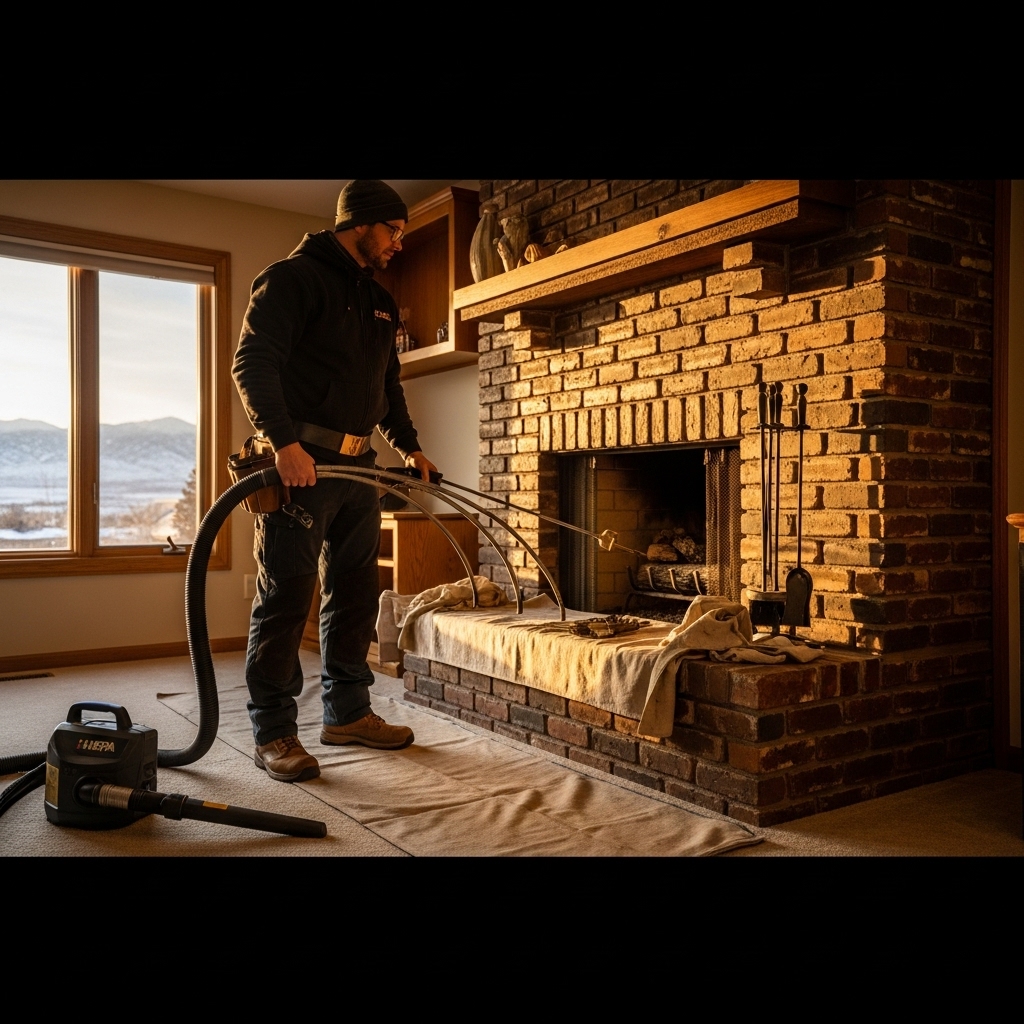
Professional maintenance is far more than a quick pass with a brush. A carefully planned visit begins with a top-to-bottom visual review of readily accessible portions of the firebox, damper, smoke chamber, flue, chimney crown or chase cover, flashing, and termination. Technicians set protective coverings to keep living spaces clean, then disassemble components as needed for access. For masonry units, attention is given to smoke chamber transitions, parging condition, tile liner joints, and any signs of spalling. For factory-built systems, the tech verifies listing labels, clearances to combustibles, and the integrity of the inner and outer walls.
The mechanical cleaning stage addresses soot and creosote appropriate to the appliance and fuel. Flexible or rigid rods with wire or poly brushes are rotated through the flue; a HEPA-filtered vacuum controls particulates; and specialized tools may be deployed for stubborn accumulations in smoke shelves, baffles, or elbows. The sweep clears the cap screen, inspects spark arrestors, and notes animal nesting or leaf debris. Where safe and appropriate, cameras can be used to document liner condition, offsets, and any displacement. The visit concludes with a written report detailing findings, photos, and recommendations for maintenance or repairs that enhance safety and performance.
Denver Factors That Shape the Scope of Work
Local conditions matter. The Queen City of the Plains sits at elevation, which affects combustion by lowering oxygen density. Appliances respond to this with different draft behavior, especially on cold start. The city’s frequent sunshine quickly warms exterior masonry, then nighttime lows produce rapid contraction, a cycle that can accelerate minor defects if left unaddressed. Add snowmelt, rooftop ice, and gusty winter winds, and your chimney lives a demanding life.
- Chimney height and roof pitch: Taller stacks and steep roofs require additional setup time and safety anchoring.
- Access complexity: Dormers, solar arrays, or nearby power lines can influence how technicians navigate the roof.
- Appliance type: Open fireplaces, inserts, wood stoves, pellet stoves, and gas logs each create different residues and inspection needs.
- Creosote severity: Frequent burning with restricted air or unseasoned wood leads to heavier deposits that require more meticulous removal.
- Liner design: Clay tile, stainless steel, or aluminum liners behave differently under heat and moisture; each calls for specific tools.
- Moisture exposure: Missing caps or compromised crowns admit water that can foster accelerated deterioration.
- History and records: A well-documented maintenance history helps a technician plan the visit more efficiently.
Fuel-Specific Considerations
Not all combustion byproducts are equal. Wood-burning appliances generate soot and creosote, a tar-like residue that can range from fluffy and sooty to glossy and hardened. The latter variety adheres tightly and can take more time to address. Softwoods common along the Front Range can produce voluminous smoke if not properly seasoned; hardwoods, while hotter and often cleaner, still require attentive burning technique.
Gas appliances are sometimes misunderstood. While they burn cleaner, they still require attention. Natural gas and propane create water vapor and trace combustion residues that can condense within cooler sections of flueways, leading to corrosion over time, especially in older masonry chimneys not lined for gas. Pellet stoves generate a fine fly ash, and their venting pathways include elbows and tees that accumulate deposits quickly if neglected. Each fuel’s signature residue influences the steps and time involved during a visit.
Signs Your Chimney Needs Attention
- Persistent smoke backing into the room during start-up or refueling.
- Strong, acrid odors from the fireplace or stove, especially in rainy or humid weather.
- Black flakes sprinkling into the firebox or on the hearth.
- Visible glaze or tar-like sheen inside the flue or on the damper.
- Animals, nesting materials, or unusual debris found in the firebox.
- Moisture stains on the ceiling or walls near the chimney chase.
- White powdery efflorescence on exterior masonry indicating moisture migration.
- Rusted damper components, warped baffles, or loose bricks and tiles.
How Pros Evaluate Work Safely
Reputable technicians begin with a pre-visit conversation to learn about your appliance, burning habits, and any symptoms you have noticed. On site, they walk the property to plan safe ladder placement, tie-off points, and protective coverings. Inside, they verify clearances from mantels, trim, and adjacent furnishings. Outside, they inspect flashing junctions, crown or chase cover integrity, and the cap’s mesh size to ensure it balances spark control with adequate exhaust.
Advanced documentation—photos, notes, and where appropriate, video—enables you to see exactly what the technician sees. For older homes, pros pay attention to seismic settling and mortar composition. For newer construction, they check termination heights relative to nearby structures to meet modern draft and clearance best practices. The goal is to deliver a clean, safe, and verifiable result that stands up to Denver’s winter workload.
Comparing Companies Without Guesswork
Credentials and clarity matter more than any single talking point. Seek companies whose technicians hold respected certifications, maintain insurance, and can explain their procedure before the appointment. Ask how they protect your home, what tools they bring for different chimney types, and how they document findings. Request a written summary afterward so you can track maintenance over time. Reviews and local references help you understand responsiveness and care for detail.
When you discuss service, focus on scope, safety, and thoroughness rather than shortcuts. Clear communication about your fireplace type, past maintenance, and usage patterns allows a provider to plan efficiently. If you heat primarily with wood, note that up front; if your unit is decorative and rarely used, say so as well. Matching the visit to real-world use is the foundation of a comfortable, safe home. For many households, mid-season tune-ups are ideal, and some prefer to schedule professional chimney cleaning right after the heaviest burning months to reset the system before spring storms.
Denver Timing: When to Book
Chimney maintenance follows the rhythm of the year. Late summer and early fall tend to be popular, as families prepare for cozy nights at home. However, spring appointments have advantages, too: the technician can assess winter wear soon after it happens, and you will head into the next season with confidence. In Denver, freezing nights can arrive early, so planning ahead ensures you get a convenient slot.
Storm cycles are another consideration. If your cap has loosened under high winds or your crown shows micro-cracking, water can intrude and accelerate deterioration even when the hearth is idle. A proactive visit after high-wind events or heavy snow helps catch small issues early. The key is to think of service as a seasonal ritual, much like changing furnace filters or testing smoke alarms.
DIY vs. Hiring a Professional
Homeowners who enjoy projects may wonder about doing the work themselves. While there are brush kits for simple flues, today’s variety of appliances, liners, and code requirements makes expert help the prudent choice for most households. The risk of missing a hidden defect—like a cracked tile, a displaced liner seam, or a deteriorated smoke chamber—can outweigh perceived savings. Professionals carry specialized tools, have trained eyes, and know how to control debris while protecting interior finishes.
Even if you prefer to do simple hearth maintenance, such as removing ash, checking batteries in carbon monoxide alarms, and keeping the area clear of combustibles, plan periodic professional visits for a full-system evaluation. Think of it as partnering with a specialist who sees hundreds of systems each year and knows how to translate subtle symptoms into actionable steps.
Making the Most of Your Appointment
Preparation helps the day go smoothly. Do not use the fireplace for at least 24 hours before the appointment. Clear the hearth area of tools, decor, and logs. Provide driveway or curb access for equipment. If you have pets, arrange a safe, quiet space for them during the visit. Share any past reports or photos from previous service so the technician can compare conditions year over year. If odors occur under certain weather patterns, note that detail; it can be a key diagnostic clue.
During the visit, ask your sweep to explain what they are seeing. Many homeowners appreciate a quick tour of photos or video; it demystifies the system and helps you understand priorities. If the technician recommends ancillary maintenance—like replacing a compromised cap, resealing flashing, or parging a rough smoke chamber—ask them to include photos and a simple explanation of why the work matters.
Understanding Common Recommendations
It is normal for a thorough report to include maintenance suggestions. A cap or screen replacement can deter wildlife and block embers while maintaining draft. A crown or chase cover sealant protects masonry or framing from moisture. Flashing touch-ups preserve the roof-chimney junction. For systems that show long-term wear, relining may be recommended to restore a continuous, insulated pathway for exhaust. None of these recommendations are about appearances alone; they all contribute to safety, performance, and longevity.
For wood-burning fireplaces, smoke chamber smoothing reduces turbulence that can trap creosote. For gas appliances vented through masonry, a properly sized and corrosion-resistant liner addresses condensation and promotes consistent draft. Pellet appliances may need attention at tees and clean-out ports where ash collects. Each remedy is aimed at aligning the system with modern expectations for safety and reliability.
How Usage Habits Influence Maintenance
Your burning practices have a significant impact on how often service is advisable. Using well-seasoned wood, building smaller, hotter fires, and ensuring adequate air supply reduce soot and creosote creation. Keeping glass doors slightly open as recommended by the manufacturer can improve airflow, and waiting to close the damper until embers are fully cool prevents lingering smoke from depositing residue in a still-warm flue. Avoid burning trash, cardboard, or treated wood—these materials create corrosive byproducts and excessive sparks.
In Denver’s dry climate, it can be tempting to store firewood indoors, but doing so invites insects and can lead to moisture imbalances. Keep wood elevated and covered outdoors, allowing air to circulate. When ash builds up, leave a thin insulating layer in the firebox to help future fires light more easily, but remove excess to maintain good airflow.
Documentation: Your Best Homeowner Tool
Keep a folder—digital or physical—containing service reports, photos, appliance manuals, and notes about any unusual odors, noises, or smoke behavior. This record empowers the next technician to identify trends and saves you from repeating the same background every season. If you ever sell your home, this documentation also demonstrates diligent care, giving buyers confidence in the system’s condition.
Frequently Asked Questions
How often should a chimney be serviced in Denver? Frequency depends on use and appliance type. Many households benefit from annual evaluation, while heavy wood burners may require mid-season attention. Gas units still need periodic checks for venting integrity and corrosion, even if deposits are lighter.
Do gas fireplaces need cleaning? Yes. Though they produce fewer byproducts, gas appliances generate moisture and trace residues that can corrode masonry or metal over time. A periodic professional check keeps the venting pathway sound and confirms safe combustion.
What is creosote, and why is it a concern? Creosote is a collection of tar-like byproducts from wood smoke that condense inside a cooler flue. It can be flaky, crunchy, or glossy and hardened. The denser forms adhere strongly and can ignite under the right conditions. Regular maintenance keeps accumulation in check.
Can I use chimney sweeping logs instead of hiring pros? Sweeping logs may loosen some residues but do not replace mechanical removal and inspection. They cannot diagnose structural issues, document conditions, or ensure that inaccessible areas are safe.
How long does a typical appointment take? The time varies with appliance type, deposit levels, and access. A straightforward system is quicker than one with heavy buildup or complex venting. The goal is thoroughness, not speed.
Is camera inspection necessary? Cameras are valuable when conditions suggest hidden concerns or when documentation will help track changes over time. Not every visit requires video, but visual confirmation can be reassuring for homeowners and helpful for planning maintenance.
What about animals in chimneys? Birds, squirrels, and raccoons sometimes nest in uncapped or damaged systems. A proper cap with the right mesh size deters wildlife while supporting airflow. If animals are present, humane removal and cleanup are important steps.
Will the process be messy? Professionals use floor coverings, HEPA filtration, and careful technique to control dust and debris. At the end, the hearth area should be as clean—or cleaner—than it was at the start.
Do pellet and wood stoves require different care than open fireplaces? Yes. Their venting systems often include more turns and connectors, which collect ash and residues at different points. Regular attention to clean-out tees and baffles is essential.
Building a Long-Term Maintenance Rhythm
Think in seasons. Schedule evaluation before or after peak burning. Check caps and flashing after high wind. Replace worn gaskets on stoves so doors seal properly. Test smoke and carbon monoxide alarms at the start of winter. Keep your documentation updated after each visit. If your household grows or your usage pattern changes—such as working from home and burning more frequently—adjust your schedule accordingly.
Over time, this rhythm becomes second nature. The aim is comfort and confidence: fires that light easily, glass that stays clearer, rooms that remain free of smoke and odors, and a system that endures through Denver’s sun, snow, and wind.
Ready for a Safer, Cleaner Fireplace in Denver?
If your hearth has been working hard or you are preparing for a new season, this is a great moment to plan your next appointment. A meticulous service visit restores the pathway for exhaust, verifies protective components on the roof, and gives you a clear picture of your system’s condition. The right partner will answer your questions, share photos, and help you prioritize any follow-up maintenance.
Take the simplest step toward comfort and peace of mind: schedule your next chimney cleaning with a trusted local team and enjoy the warmth of your fireplace with confidence all winter long.