In a city that spans historic bungalows, mid-century gems, and modern urban builds, “best” does not mean flashy—it means careful, consistent, and trustworthy. Choosing the best chimney cleaning and sweep service in Denver is about finding a team that pairs craftsmanship with clear communication and rigorous safety standards. This guide shows you what that looks like in practice, from the first phone call to the final report, so you can light your first fire of the season with confidence. If you are preparing for winter, it is smart to reserve time for professional chimney cleaning early, before schedules tighten.
Denver’s altitude, sunshine, and quick weather changes create conditions that test flues and terminations. A superior provider recognizes how draft behaves on cold starts, how winds swirl across rooftops near taller neighboring structures, and how freeze–thaw cycles can widen tiny cracks in crowns or mortar joints. They arrive with specialized tools for masonry, stainless liners, factory-built chimneys, inserts, stoves, and gas log sets—and they know exactly when and why to use each tool.
What Defines “Best” in Real Terms
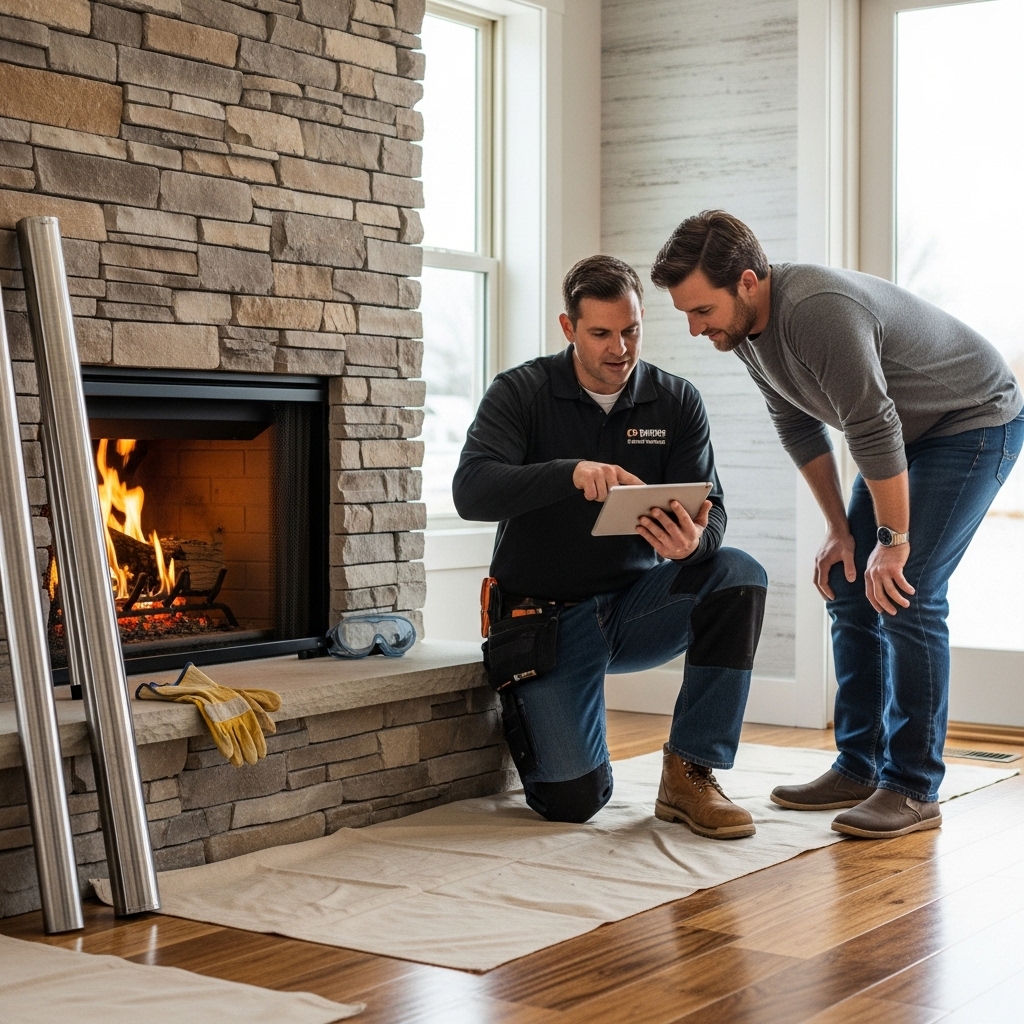
Technical mastery shows up in the details. The best technicians explain their process before they begin, protect your home meticulously, and document what they find so you are never left guessing. They are students of building science and understand how air pressure, make-up air, and exhaust fans can influence smoke behavior. They examine the entire system: firebox, damper, smoke chamber, flue liner, crown or chase cover, flashing, and cap. If an issue lies beyond basic maintenance, they communicate clearly and provide options.
- Preparation: Clean coverings, HEPA filtration, careful staging of tools.
- Method: Flue brushed with the correct brush type; stubborn deposits handled with appropriate techniques.
- Roof safety: Anchors and ladder placement planned for wind and pitch conditions common in Denver.
- Documentation: Photos and, when appropriate, video that make findings clear.
- Follow-through: Written recommendations prioritized by safety and longevity.
Why Experience Matters in Denver
The Front Range teaches lessons that textbooks cannot. A seasoned sweep has seen what a January chinook does to chimney caps, how hail can dent thin chase covers, and how heavy spring snows settle against flashing. They know which neighborhoods lean toward complex rooflines and which homes are likely to have older clay tile liners. This experience allows them to anticipate challenges and work efficiently without cutting corners.
Altitude adds another wrinkle. Lower oxygen density affects combustion, and older homes may lack adequate make-up air. The best providers troubleshoot draft symptoms by looking at the whole house: tight weatherstripping, exhaust fans, nearby openings, and even the influence of an attached garage. The solution might be as simple as adjusting burning technique—or as targeted as recommending a top-sealing damper or a properly sized liner to stabilize draft.
From First Call to Final Report
Your experience with a great company feels calm and organized. The office asks the right questions about your appliances, prior maintenance, and any odors or smoke you have noticed. They book an appointment length that matches your system, not a one-size-fits-all block. On the day, the technician arrives on time, walks you through the plan, and answers questions before setting protective coverings in place.
After the cleaning and inspection, you do not get vague statements—you receive clear explanations. Photos of the smoke chamber, flue, crown, or chase cover accompany the report. If the tech recommends additional maintenance, they explain the “why” and the “how.” You finish the visit with a prioritized list and confidence that your fireplace is ready.
What a Thorough Cleaning Entails
For open fireplaces, the process includes brushing the flue from the bottom or top depending on the system, cleaning the smoke shelf, and confirming damper function. For inserts and stoves, baffles are removed, gaskets checked, and connectors cleaned. For gas units, burners and logs are inspected and venting is verified. On the roof, caps are cleaned, crowns or chase covers reviewed, and flashing inspected. Throughout, HEPA filtration captures particulates to keep living spaces clean.
Stubborn deposits receive appropriate treatment. Light, fluffy soot is addressed with standard brushes; crunchier deposits may call for stiffer bristles; glossy, hardened residue requires careful, specialized techniques. The technician’s skill lies in choosing the least aggressive method that effectively restores a smooth, continuous path for exhaust.
Preventive Measures the Best Pros Recommend
Protective components make a world of difference. High-quality caps keep out wildlife and precipitation while allowing proper flow. A sound crown or chase cover sheds water; when cracks or fastener holes appear, sealing or replacement may be advised. Flashing touch-ups keep the roof–chimney seam tight through storm cycles. Smoke chamber smoothing reduces turbulence and reduces accumulation over time. For masonry chimneys serving gas appliances, a corrosion-resistant, properly sized liner helps manage condensation.
Inside, habits matter. Burn seasoned wood and let fires establish a strong, hot core. Avoid smoldering fires; they produce more creosote. Keep combustibles at recommended clearances. Test smoke and carbon monoxide alarms seasonally. The best providers pair technical service with clear coaching that fits your home and lifestyle.
Listening to Symptoms
Your chimney speaks in subtle ways. Odors during rainy weather suggest moisture intrusion and deposit saturation. Smoke that spills when you open doors may indicate draft competition from exhaust fans or a partially blocked flue. A whistle or rattle on windy nights may point to a loose cap fastener or a gap in flashing. Share these observations with your technician—they are valuable diagnostic clues.
Mid-Season Check-Ins
Many Denver families use their fireplaces heavily around the holidays, then again during cold snaps. If you notice performance changes mid-season, a check-in can reset the system. Some homeowners schedule professional chimney cleaning right after the heaviest use to keep odors and residue under control and to catch winter wear before spring storms.
How “Best” Looks on the Roof
On steep or high roofs, safety planning is non-negotiable. The best crews assess anchor points, ladder angles, and weather conditions before climbing. They bring the right brush heads for clay tile, stainless, or aluminum liners; they carry replacement mesh for caps; and they keep fasteners and sealants handy for minor protective adjustments when appropriate. Every movement shows respect for your property and the realities of Denver weather.
Transparency and Education
Great providers share their knowledge generously. They will explain how different fuels produce different residues, why your neighborhood’s wind patterns matter, and how simple steps—like cracking a nearby window at start-up or preheating the flue—can improve performance. They welcome questions and empower you to make informed decisions.
Frequently Asked Questions
How often should I schedule service? It depends on use, fuel type, and appliance design. Annual evaluation suits many homes; heavy wood use may call for additional attention. Gas and pellet systems still need periodic checks for vent integrity and cleanliness.
Will the service be messy? With floor coverings and HEPA filtration, the work area stays clean. At the end, your living room should be ready for use without lingering dust.
Do gas fireplaces really need attention? Yes. They create moisture and trace byproducts that can corrode metal and masonry over time. Venting integrity and combustion safety are essential.
What is creosote? A byproduct of wood smoke that condenses in cooler flues. It ranges from fluffy soot to hardened glaze, with the denser forms requiring careful, specialized removal methods.
Can I burn softwoods? You can, but ensure they are well-seasoned. Softer woods can produce more smoke if damp. Proper technique and airflow reduce residue.
Why does smoke enter my room when I open the doors? Competing exhaust fans, tight windows, or a cold flue can reverse draft. Your sweep can recommend strategies to re-establish upward flow.
Set the Standard for Your Home
The best chimney care feels professional, neighborly, and thorough from start to finish. You know what will happen, you see what the technician sees, and you receive a clear plan for keeping your system at its best. That level of service turns a cold night into a calm, comfortable experience around the hearth.
Warmth and Confidence, All Season
Ready to elevate your home’s comfort? Book your next chimney cleaning with a trusted Denver team and enjoy a fireplace that lights easily, drafts smoothly, and anchors cozy gatherings all winter long.